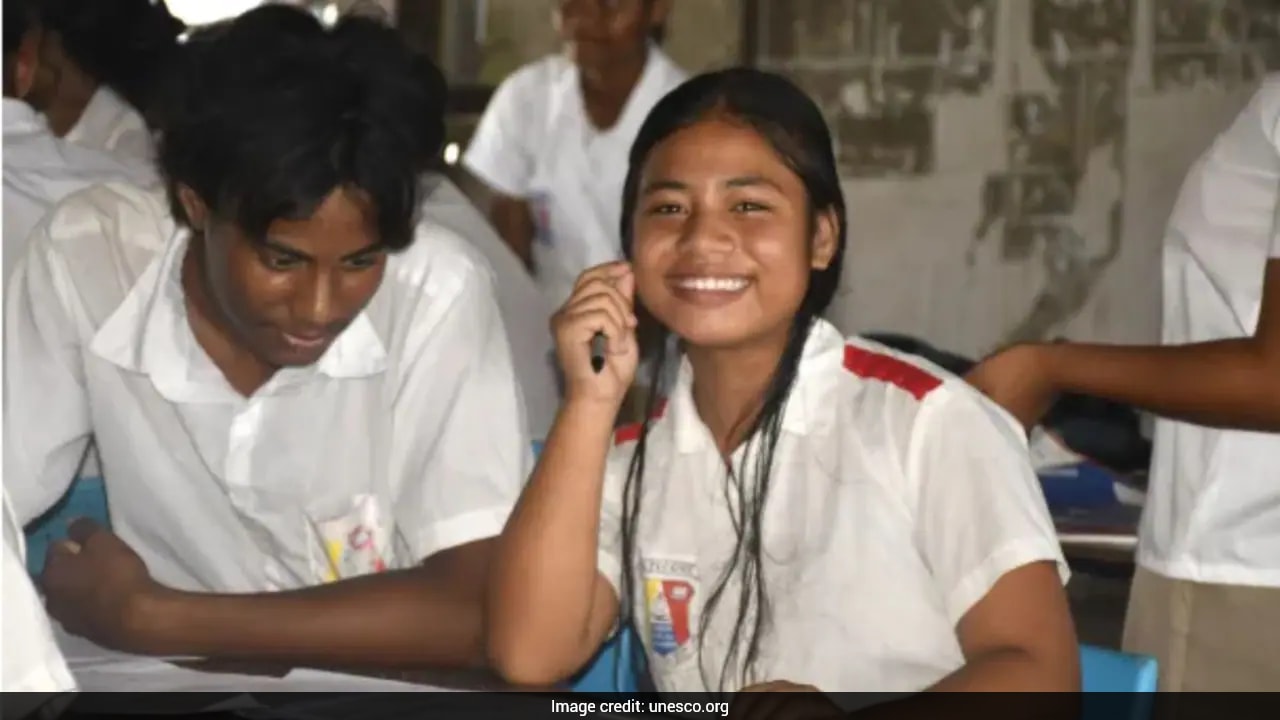
UNESCO Report: Teachers in Kiribati, a country in Oceania, are using creative classroom methods to introduce students to technology, as schools across the Pacific island nation continue to face limited infrastructure, unreliable electricity, and weak internet connectivity, the United Nations Educational, Scientific and Cultural Organization (UNESCO) said in a recent report.
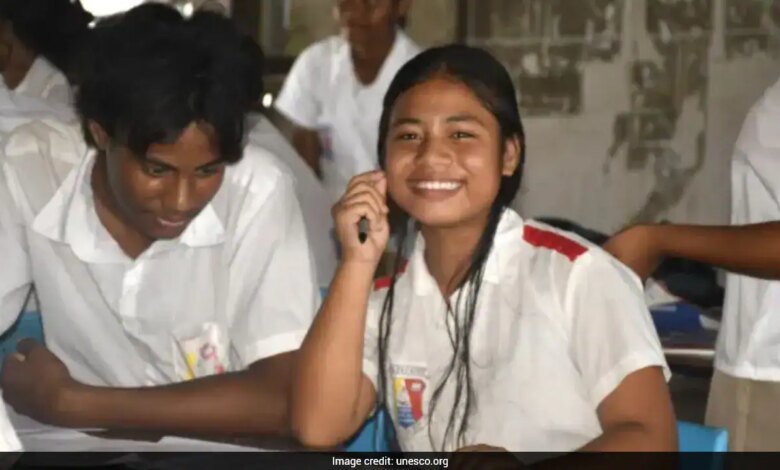
At TUC 1 Junior Secondary School in South Tarawa, Year 8 teacher Aroito Tetuai teaches students about satellites, computers, and digital communication – technologies many of them have never had the opportunity to use directly.
In the absence of devices and internet access, teachers often depend on textbooks, diagrams and imagination to explain digital concepts.
“We explain satellites without photos, videos or real tools,” teacher Raen Bwauro said, according to UNESCO. “But students develop their knowledge by seeing real things and using real tools.”
For many students, digital learning is closely connected with their career ambitions. A 13-year-old student identified by UNESCO as Teina said she hoped to become a nurse and believed computer skills would be important because hospitals use computers extensively.
Other students at the school reportedly aspire to become doctors, pilots, police officers, and teachers. However, although they are interested in technology, several have not had regular opportunities to practise using computers at school.
“Most of the students enjoy learning about technology,” Tetuai said. “Maybe at home they see computers from their parents, or brothers and sisters. But they don’t have practice in school,” he added.
For Teina, digital skills were not simply about technology; they were part of the future she hoped to build.
According to the report, TUC 1 is among 10 schools selected as model schools under the Kiribati ICT Transformation of Education Systems (KITES) project. The four-year initiative is backed by a 2.5 million US dollar System Transformation Grant from the Global Partnership for Education (GPE).
The project is being led by Kiribati’s Ministry of Education, with UNESCO serving as the implementing partner and Australia’s Department of Foreign Affairs and Trade acting as the coordinating agency.
UNESCO said the model-school approach is intended to generate lessons that can later be adapted across Kiribati, including in remote island communities where access to basic learning resources remains limited.
For teachers such as Tetuai, the programme represents more than the arrival of new equipment. It could give students the opportunity to learn through practical experience and connect their classroom education with the careers they hope to pursue.