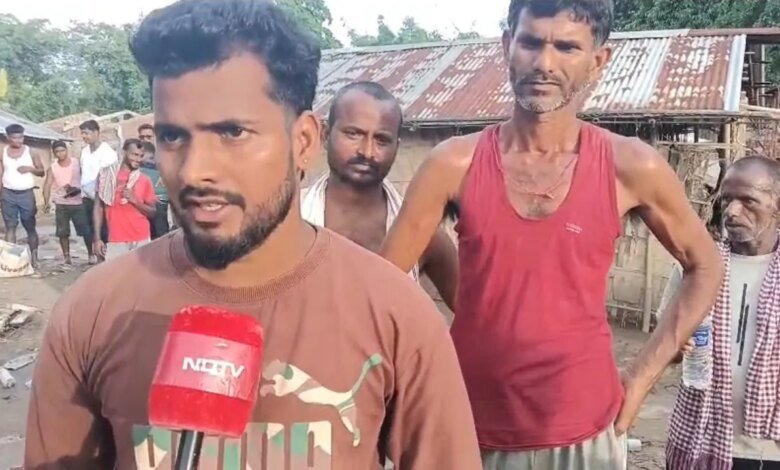
When 25-year-old Shravan Kumar walked to the banks of the Dikhow River in Bihubor at 3 am on July 19, he had no idea he was about to lead one of the most remarkable rescue efforts of Assam’s flood season – one that would ultimately save nearly 2,000 lives across five villages.
Shravan visits the riverbank every monsoon to collect floating logs swept downstream, a modest but crucial source of income and firewood for his family, who don’t use LPG cylinders. That morning, however, the river behaved differently. Massive tree trunks crashed through the water with unusual force, and having grown up beside the Dikhow, Shravan immediately sensed danger. By sunrise, his fears were confirmed as floodwaters began submerging the region.
His own home was not spared. Floodwater entered his house, forcing his mother and brother to scramble to move their belongings to higher ground. Shravan had every reason to rush back and help his family.
Instead, he chose to stay and help others. “If I had gone back to save my own house, there would have been no one left to save the others,” he says.
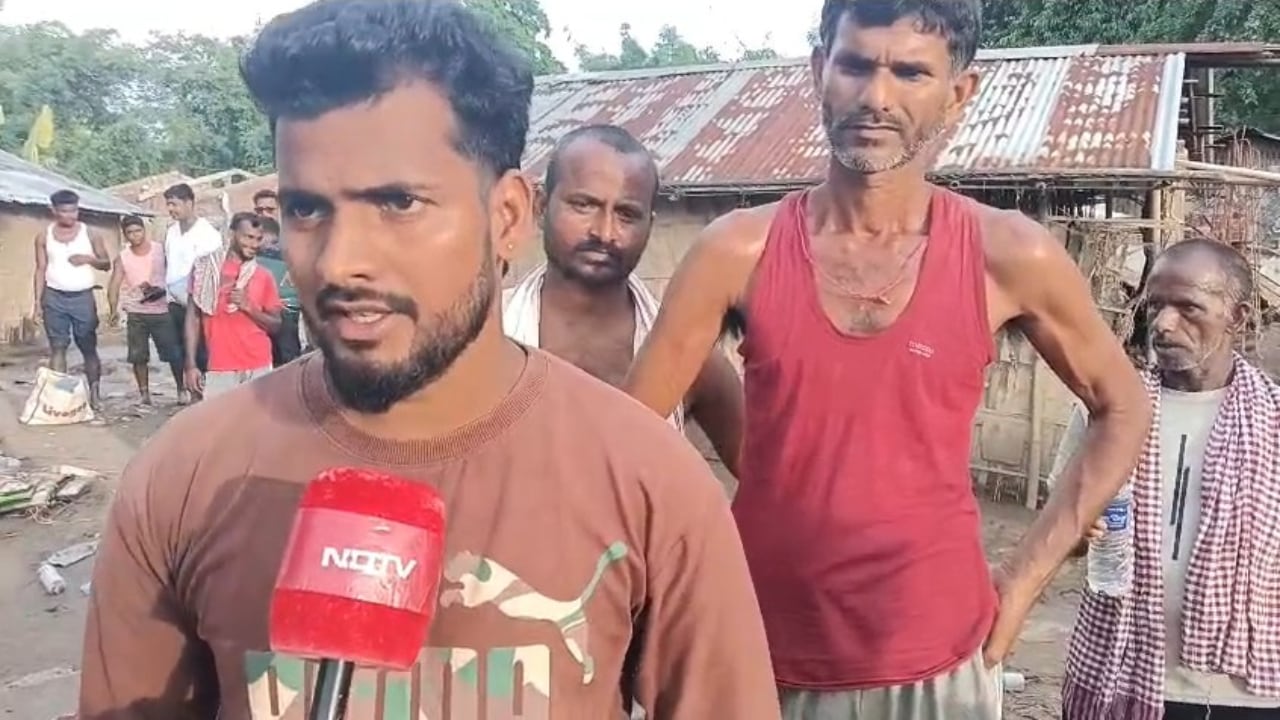
A Class 10 dropout with no formal rescue training or motorised boat, Shravan relied on nothing but his knowledge of the river and a traditional wooden boat known locally as “Tulunga Nao.” Along with a group of friends, he launched a rescue operation into waters that even experienced boatmen were too afraid to enter.
From 10 am that day through the night and into the next, the team worked tirelessly – pulling children from submerged homes, carrying elderly residents unable to move on their own and rescuing pregnant women and patients trapped on rooftops and in ceiling spaces as water rose around them.
“There were people inside the ceiling. We had to pull them out,” Shravan recalls. “It was scary because at night we were operating in complete darkness.”
Navigating fragile boats through waters filled with dangerous floating timber, the young volunteers returned again and again – village after village, house after house – despite the constant risk of capsizing.
By the time the rescue operation wound down, Shravan estimates he and his team had saved around 2,000 people across five villages, including children, women, elderly residents and patients trapped in flooded homes.
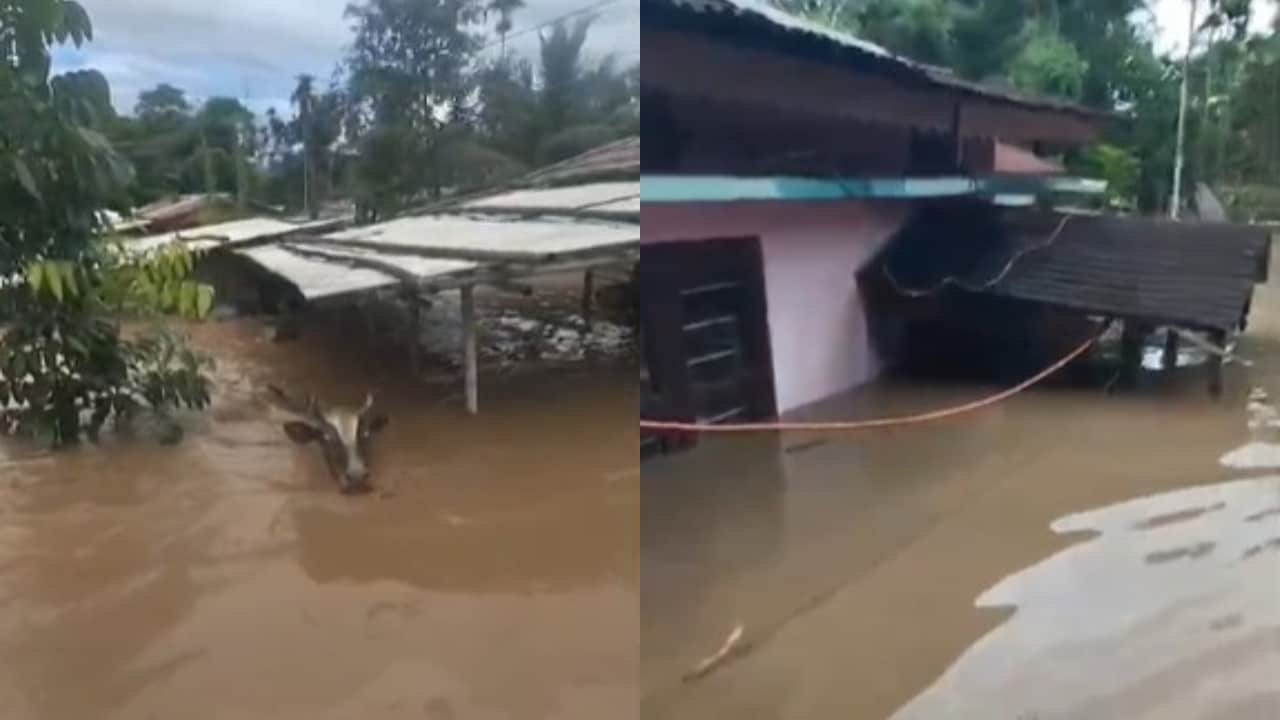
The July 19 floods caused widespread devastation across the Nazira Co-District of Sivasagar, submerging villages, washing away roads and knocking out electricity and communication networks, leaving families with no option but to climb onto rooftops as the water kept rising.
1.78 Lakh Remain Hit By Floods, No Fresh Deaths Reported
Meanwhile, the flood situation in Assam showed slight improvement on Saturday, with the number of affected people dropping to 1.78 lakh. However, the number of districts impacted by the deluge rose from five to seven, according to the Assam State Disaster Management Authority (ASDMA).
No fresh casualties were reported during the past 24 hours, keeping the flood-related death count at 82. The ASDMA said the Dikhow River at Sivasagar and the Dhansiri River at Numaligarh in Golaghat district continued to flow above the danger mark.
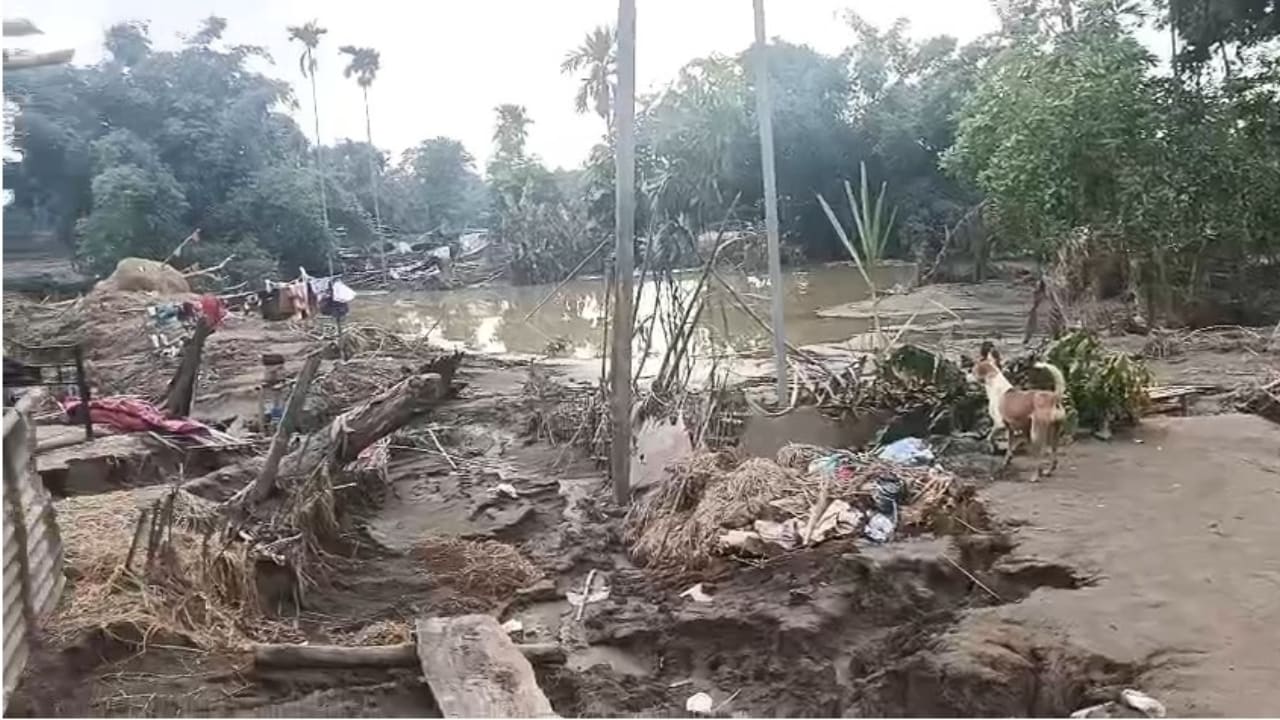
The floods have affected 349 villages across Golaghat, Sivasagar, Charaideo, Bajali, Dhemaji, Sonitpur and Jorhat districts. Charaideo remains the worst-hit district with 75,199 people affected, followed by Sivasagar, where 58,824 people have been impacted, news agency PTI reported.
On Friday, around 1.92 lakh people across five districts were affected by the floods.
Forty-four relief camps were operational in the state, providing shelter to around 15,000 displaced people. Another 17 relief distribution centres were also working, catering to 5,569 people.
(With inputs from Ripunjoy Das)