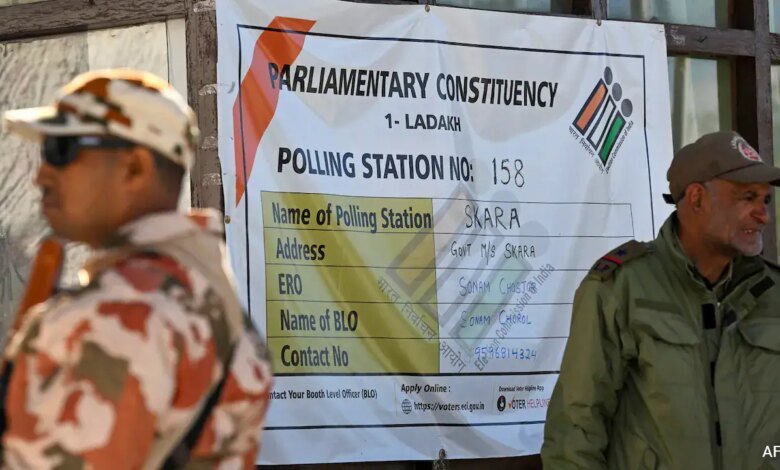
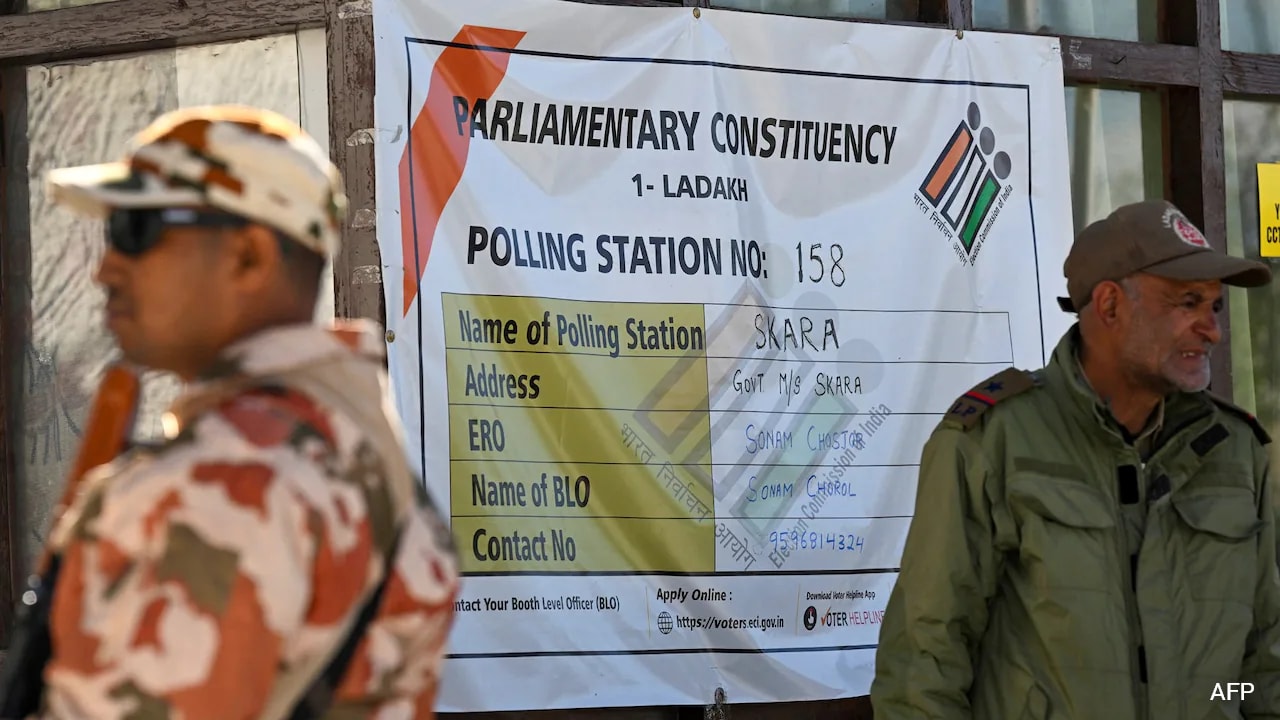
Ladakh will conduct its first major electoral exercise after the region was carved out as a separate union territory in 2019. The elections to all eight Autonomous Hill Development Councils (LAHDCs) are scheduled to be held on December 4 amid boycott calls and protests against holding polls in winter.
The expanded councils will have 100 constituencies, including 36 seats reserved for women.
According to the schedule announced by Ladakh administration, November 17 is the last date for filing nominations, followed by scrutiny on November 18. Candidates can withdraw their nominations until November 20. The election process will be completed by December 8.
The polls are held against the backdrop of a prolonged agitation in Leh and Kargil, with political and civil society groups demanding statehood and constitutional safeguards under the Sixth Schedule.
According to Ashish Kundra, Chief Secretary of Ladakh, the number of constituencies have been increased from 26 each in the erstwhile Leh and Kargil districts to 50 each, taking the total to 100 following the creation of eight districts.
Defending the decision to conduct elections during the winter months, Kundra said the administration would make adequate arrangements to ensure that weather conditions do not discourage voters from exercising their franchise.
Polling stations will be equipped with heaters, while separate queues will be arranged for elderly voters. Deputy Commissioners have been directed to ensure necessary facilities at polling stations, he said.
“Schools in Ladakh generally remain open until December 15 or 16. If children can attend schools during this period, there should be no difficulty for adults in coming out to vote,” Kundra said.
He also underlined the need for constituting the councils without further delay, pointing out that the newly elected bodies would have January, February and March to prepare their budgets for the next financial year.
On the powers of the restructured councils, the Chief Secretary clarified that the newly elected LAHDCs would retain their existing statutory powers while also exercising additional functions envisaged for district-level Panchayati institutions under the 73rd Constitutional Amendment.
Kundra said the delimitation exercise had been undertaken in accordance with district population and the notified LAHDC rules. Under these rules, a Panchayat Halqa or municipal ward cannot be split to constitute a constituency, although two or more Panchayats can be clubbed together.
The administration is also examining the possibility of conducting counting for the Hill Council, municipal and Panchayat elections simultaneously. Kundra said a recommendation would be made to ensure that the outcome of one election does not influence the other.
Meanwhile, the electoral process for Panchayat and municipal bodies is also underway. Ladakh has 192 Panchayats, of which 55 Sarpanches have already been elected unopposed and issued certificates of election. Polling will take place for the remaining 137 Sarpanch positions. Several candidates have also been elected unopposed to Panch seats, while elections will be held for the remaining contested positions.
In the municipal elections, Leh has 21 wards with 42 candidates in the fray. The Kargil Municipal Council has 17 wards, with candidates in four wards already declared elected unopposed.
“Panchayat elections have not been held for the last three years. Now, the Panchayats as well as the eight new district councils are going to be constituted,” Kundra said.
Several political and civil society organisations of Ladakh have questioned the decision to hold elections during the harsh winter months and raised objections to the delimitation exercise.
Political, social and cultural groups of Ladakh are demanding postponement of these polls. Today, a compete shutdown was observed in Kargil in protest against the electoral schedule. The Ladakh Buddhist Association in Leh has announced a boycott of the Panchayat and municipal elections.
The administration, however said that the timely constitution of elected bodies is necessary for strengthening grassroots governance and ensuring that the newly created districts have functioning democratic institutions.