New Delhi:
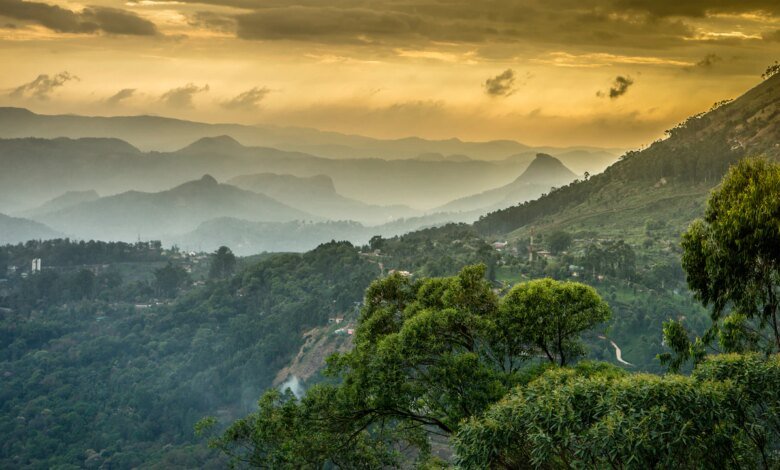
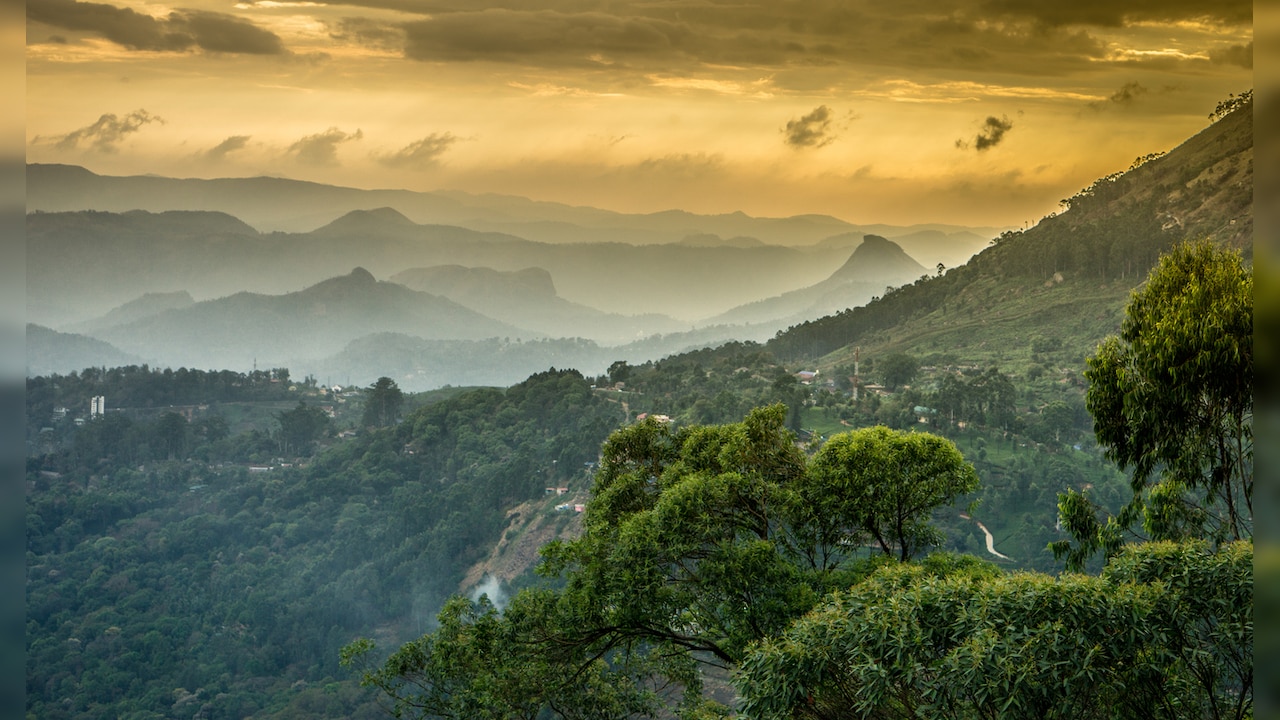
The Western Ghats areas in three states — Gujarat, Goa, and Maharashtra — will be declared “Eco-Sensitive Areas”, sources have said. This will help protect the area that holds is among the world’s top bio-diversity hotspots.
The proposal involved notifying an area of approximately 56,000 square kilometers across the six states, based on recommendations from a committee headed by former ISRO Chairman K. Kasturirangan.
Under the plan, a range of activities including mining, building power plants, coal-based power plants, polluting industries and large-scale construction projects will be banned to conserve ecology. It will also curb destructive commercial activities and encourage sustainable development for the local communities.
The initial proposal was to bring six states under its ambit — Gujarat, Goa, Maharashtra, Kerala, Karnataka, and Tamil Nadu. But Kerala and Karnataka are not on board with the plan.
Sources said Kerala wants its designated Eco-Sensitive Area reduced. Karnataka is questioning the very rationale behind the entire exercise.
The objections of both states centre the proposed bans on mining, quarrying, and the establishment of new industries. In Kerala, a chunk of the population lives in and near the proposed buffer zones.
Sources said the government will now proceed to notify the Eco-Sensitive Areas in the three states that agreed without further delay. Issuing the notification for even three states will strengthen environmental protection efforts in the Western Ghats.
The Western Ghats are recognised as one of the world’s eight ‘hottest hotspots’ of biological diversity, the UNESCO has said.
“The forests of the site include some of the best representatives of non-equatorial tropical evergreen forests anywhere and are home to at least 325 globally threatened flora, fauna, bird, amphibian, reptile and fish species,” UNESCO has said.
The Environment Ministry issued the first draft notification for the ESA in March 2014, based on the recommendations of the committee headed by Kasturirangan. It cut down the Gadgil committee’s recommendation of designating 64 per cent of the Western Ghats as ESA to 37 per cent.