In January 2020, a US president remarked that Iran never won a war, but never lost a negotiation.
That president was Donald Trump and, six years later, his words appear to have come back to bite him.
Iran never won a war, but never lost a negotiation!
— Donald J. Trump (@realDonaldTrump) January 3, 2020
After the first, devastating salvo on February 28, when the US and Israel launched nearly 900 coordinated airstrikes across Iran, killing Supreme Leader Ayatollah Ali Khamenei and several top military commanders, it seemed Tehran had been dealt losses that were too heavy to withstand without capitulating.
Reporter: A wise man once said, in January of 2020, ‘Iran never won a war, but never lost a negotiation.’
Trump: Who said that?
Reporter: Donald Trump.
Trump: Oh, that’s what I thought you were going to say. pic.twitter.com/1MBY4oPHue
— Clash Report (@clashreport) June 17, 2026
Advertisement – Scroll to continue
The Iranian leadership had been preparing for an attack but the sheer scale of the strikes appeared to have caught it off guard. Many other leaders were killed in the days that followed, but the leadership regrouped, picked Khamenei’s son, Mojtaba, as the Supreme Leader and began to mount a defence.
Knowing that it did not stand a chance against the combined might of the US and Israeli militaries, Iran decided that the only way it could gain any leverage was to make its neighbours and US allies in the Middle East – and ultimately the entire world – feel the pain.
As it kept getting bombarded, Iran launched drone attacks not only against Israel but also targeting the UAE, Saudi Arabia, Kuwait, Qatar and several other countries in the Middle East. These attacks were designed to inflict outsized political and economic damage, make these countries distance themselves from the US and incentivise them to push for normalisation.
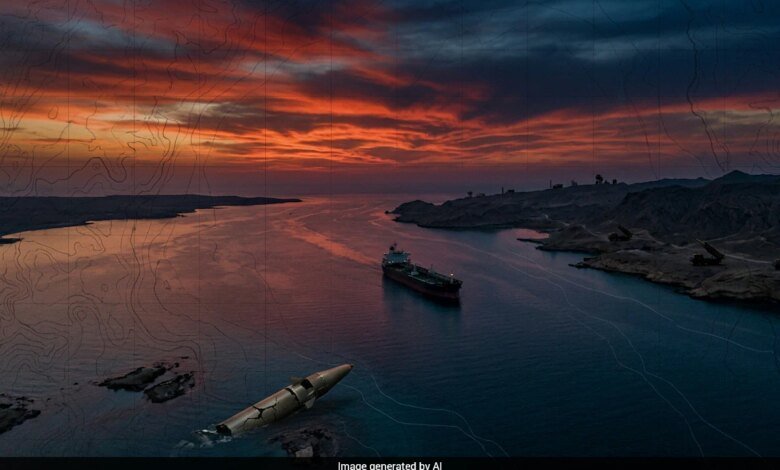
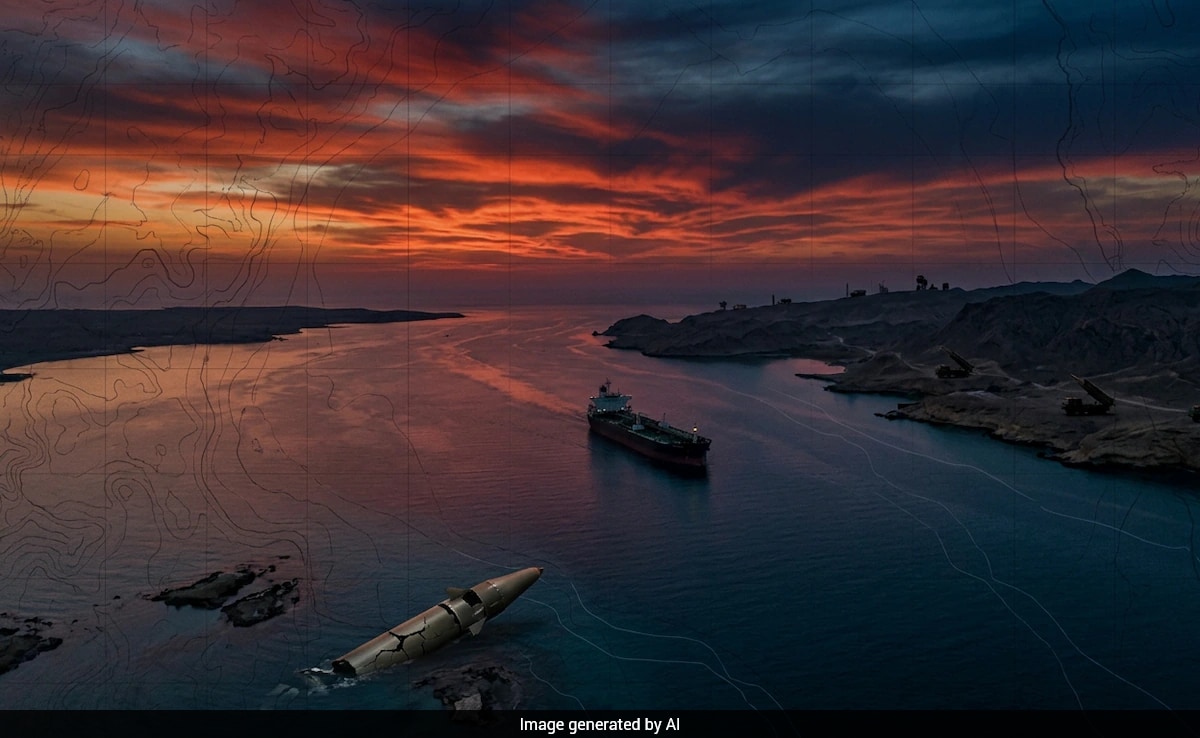
In March, Iran also played its ultimate trump card by closing the Strait of Hormuz and, in one fell swoop, halted nearly a fifth of the world’s global energy supplies that passed through the narrow waterway. This sent oil and gas prices spiralling, with Brent crude shooting up from $73 a barrel before the war to over $126 in April.
Rising fuel costs drove up commodity prices and consumers across the world began feeling the pinch not only at petrol pumps but also in supermarkets. In doing so, Iran ensured that the war against it became almost personal for large sections of the global population.
Agenda
From the first strikes in February, Trump and Israeli Prime Minister Benjamin Netanyahu appeared to struggle to explain why the action against Iran had been necessary. In June 2025, just months before the war began, the US and Israel had launched airstrikes targeting Iran’s nuclear programme, prompting Trump’s famous claims of “monumental damage” and several sites being “obliterated”. The US administration also said the attack had pushed back Iran’s development of nuclear weapons by many years.
Pressed on why they thought the fresh offensive, dubbed ‘Operation Epic Fury’ by the US, was necessary, Trump and Netanyahu said they wanted to prevent Iran from obtaining a nuclear weapon and claimed they had intelligence proving a major offensive by Tehran against US forces and Middle Eastern allies was days away.
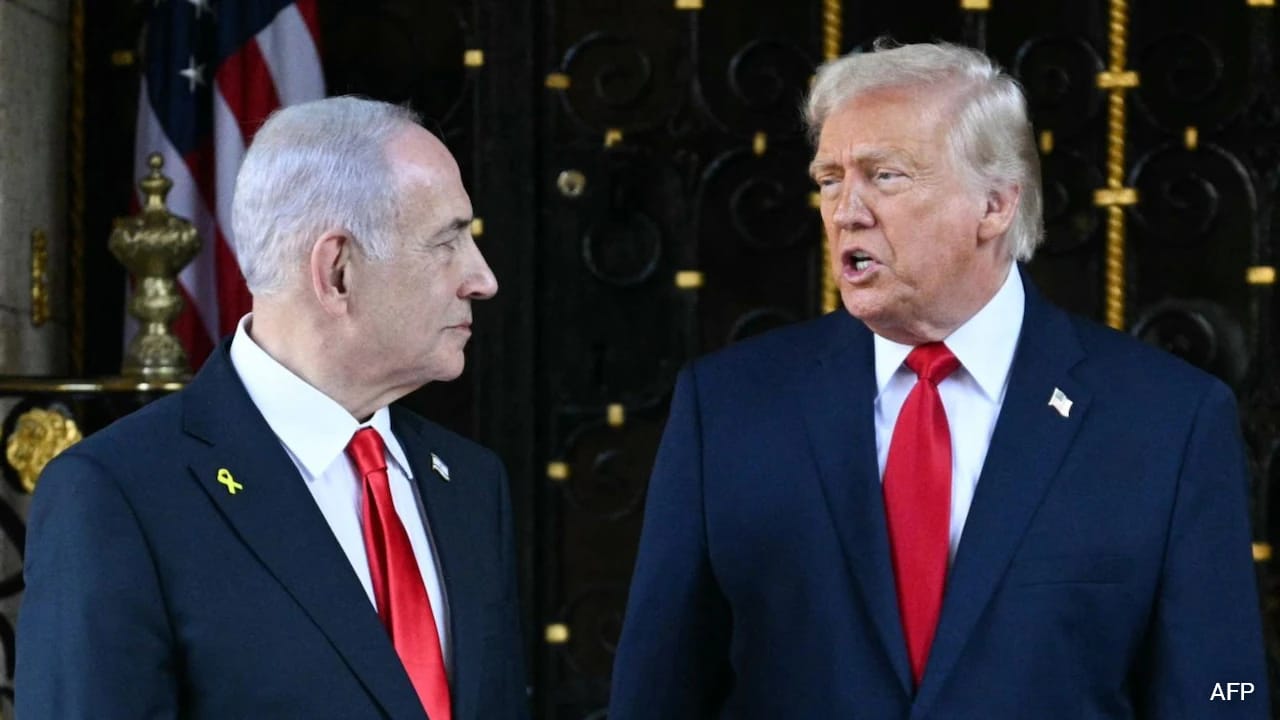
Trump then began shifting goalposts, framing the war as a necessary correction to decades of inaction by previous US administrations and said even as late as last week that he would “assume total control of their (Iran’s) oil and gas markets, much like we have with Venezuela”.
Military Victory?
More than 13,000 airstrikes over several months, the targeting of Iran’s military and energy infrastructure and the decapitation of part of the leadership that existed in February has led the US administration to claim a military victory.
Satellite imagery confirmed that over 50 Iranian bases were hit, more than 300 Iranian ballistic missile launchers were destroyed or disabled and major missile manufacturing hubs, including Khojir, Shahroud and the solid-propellant facilities at Parchin, were severely damaged.

The US and Israel also successfully sank 155 Iranian vessels and patrol boats, crippling Iran’s navy. In addition to all this, the country’s conventional air defence and command structures were severely degraded.
Iran’s already limping economy also suffered a setback with the US blockade of Hormuz and attacks on refineries, as well as the squeeze on its energy exports, which was the backbone of its financial well-being.
Despite all this, however, many argue that the US and Israel have failed to achieve a convincing military victory because the Iran regime survived and proved that its asymmetric warfare, including the use of cheap drones and proxy networks, could inflict severe financial and strategic blowback on its attackers as well as their allies.
Pressure Builds
One fact beyond debate, however, is the pressure that began mounting on Trump to end the conflict.
The war started becoming increasingly unpopular domestically and US allies also began piling on the pressure to get the Strait of Hormuz reopened. With the midterms approaching, even Trump’s Republican aides, many of whom had been his staunchest defenders, began urging him to find a way out.
Without dialling down his public rhetoric, Trump began exploring ways to cut a deal with Tehran, involving even Pakistan in an effort to do so.
A mutually agreeable text began taking shape over the past few days and it was finally ready this week. Trump eventually signed the agreement in Versailles on Wednesday, the site of Germany’s humiliation after World War I, an image that may haunt him and the US in the years to come.

How Iran Came Out On Top
Trump and his allies have, for years, touted the US President, author of ‘The Art Of The Deal’, as a “master negotiator”.
“President Trump is a master negotiator with a track record of achieving good deals for the American people,” White House Spokeswoman Olivia Wales said.
The Iran deal belies that claim.
For Trump, the main objective was preventing Iran from acquiring nuclear weapons and the removal of enriched uranium from the country. The US president has celebrated this as a victory, but the memorandum of understanding signed between the two countries kicks the issue down the road, stating that a final framework on this will be established in the final deal in 60 days.
READ | Trump’s Iran War: Was It Worth It?
Clear wins for Iran, meanwhile, include the lifting of sanctions against it, a $300-billion fund for its reconstruction and the cessation of hostilities against Lebanon, which is home to its proxy Hezbollah.
The biggest strategic victory, however, may be Hormuz. Iran knew it could play the shut-down-Hormuz card only once and the memorandum of understanding states that the country will allow vessels to pass through the waterway without charge for 60 days. This leaves a window open for Tehran to impose tolls after that period is over, opening up a very lucrative, possibly permanent source of revenue.