Mumbai:
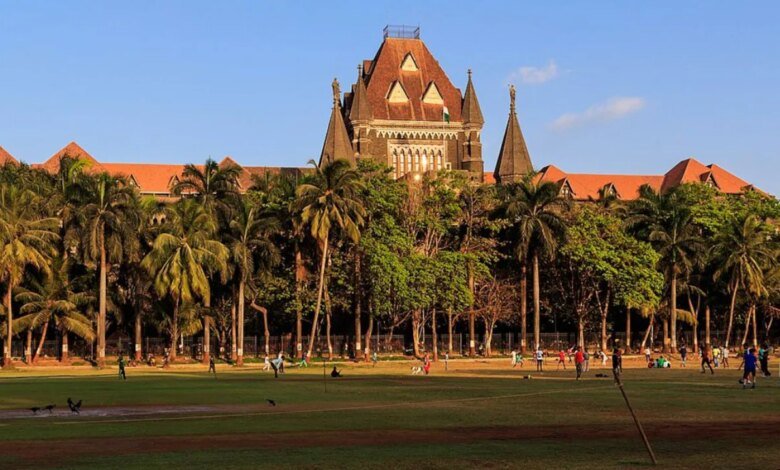
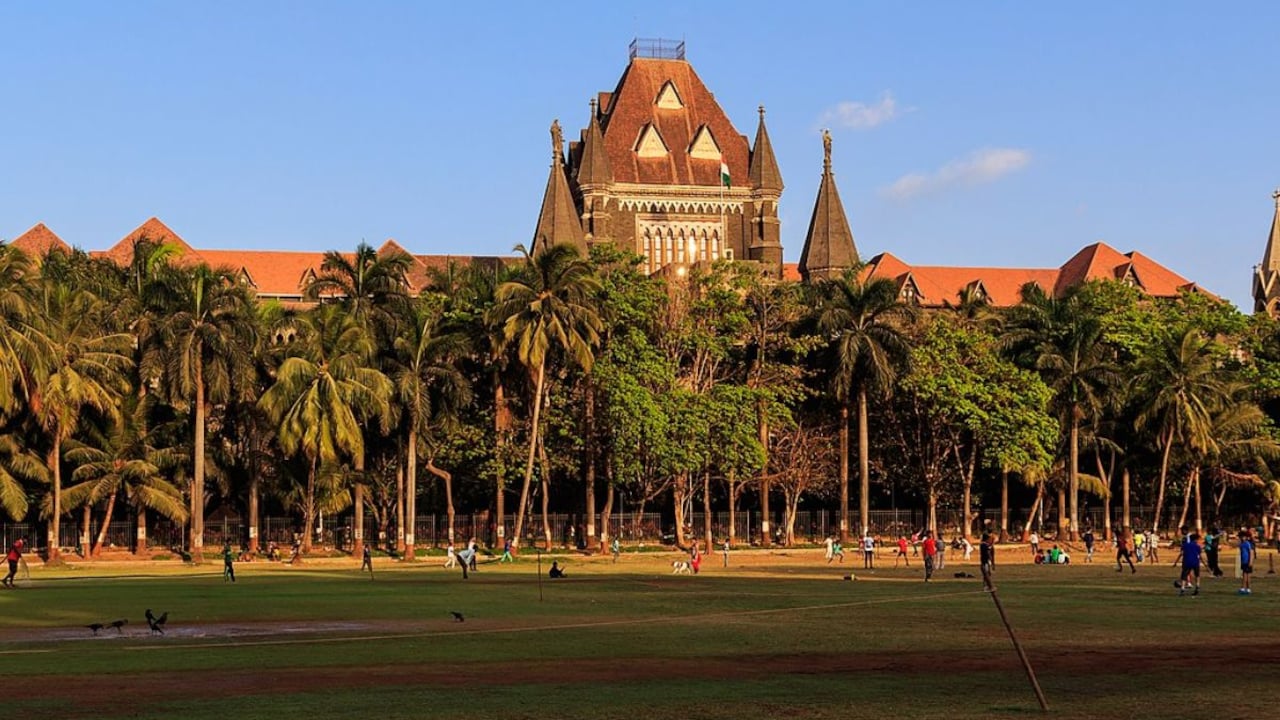
The Bombay High Court strongly criticised Mumbai Police for banning a political activist from entering the city because he organised and participated in peaceful protests against the government. Setting aside the one-year ban – also known as externment order – Justice Madhav J Jamdar asked the police if it was trying to turn citizens into “slaves of the government” by slapping them with criminal cases for simply expressing dissent.
The court firmly reminded the police they are servants of the public and not of top government officials, and emphasised that the right to protest and raise slogans against political leaders is a fundamental right guaranteed to every Indian citizen.
This legal battle began when Saeed Ahmad Abdul Wahid Chaudhary, the 49-year-old General Secretary of the Socialist Democratic Party of India (SDPI), challenged a December 2025 police order that forced him out of the city for a year. The police had justified this extreme measure by pointing to multiple police complaints registered against Chaudhary between 2019 and 2024.
These were filed because he organised protests without police permission regarding highly controversial national issues, including the Citizenship Amendment Act (CAA), the National Register of Citizens (NRC), and disputes surrounding the Babri Masjid and Gyanvapi mosques.
During these demonstrations, protestors raised slogans like ‘BJP government murdabad’ and ‘Amit Shah murdabad’. Chaudhary argued the police ban was politically motivated, aiming to keep him away during crucial civic elections and silence legitimate democratic opposition.
In India, an externment order is a severe and extraordinary legal tool to temporarily ban dangerous criminals or gangsters from an area. Chaudhary’s lawyers argued that his past cases were minor charges that carried a maximum jail term of just one month. They argued that these minor infractions did not meet the legal threshold to strip a citizen of freedom of movement.
The state government defended the ban, arguing that the action was justified because the protests were held after the police had explicitly refused to grant permission.
Ultimately, Justice Jamdar ruled the police’s actions were in bad faith and lacked any real legal basis, as there was no evidence Chaudhary posed a danger to public safety or property.
The judge noted that under Articles 19 and 21 of the Indian Constitution, citizens have a sacred right to freedom of speech, expression, and the right to live with dignity. And the court concluded that stripping a person of these right simply for opposing government policy set a dangerous precedent. In doing so, the court reaffirmed that peaceful dissent is a vital pillar of a healthy democracy.