New Delhi:
“My work requires me to travel from Guru Dronacharya (Sector 26, Gurugram) to Noida Sector 16 every day. I can afford a car, but I just don’t want to drive that much every morning. And the evening traffic is even worse. So, I take a battery rickshaw to the metro station, then change lines at Hauz Khas and again at Botanical Garden. After reaching Noida Sector 16 Metro Station, I take an e-rickshaw to my office. The entire commute takes about two hours one way,” said Saurabh Jaiswal, a 30-year-old private-sector employee.
He added, “I try to make use of the four hours I lose every day commuting by reading, finishing some office work, or just watching Netflix. But the biggest challenge is the crowd, and it seems to be increasing every day. The long queues and overcrowded coaches are exhausting. Many times, it’s difficult to even get into a metro train because of the rush. I often reach the office late because of this.”
When asked whether he would consider buying a car, Jaiswal said, “I can, but there’s no parking space in my lane. And as I mentioned earlier, the evening traffic is brutal. Sometimes, I feel I should move out of my parents’ house and rent a flat closer to the office. But living alone comes with its own burdens and expenses. I feel there are no easy answers.”
“I guess I would have to switch to an office that’s closer to my house rather than the other way around,” Saurabh chuckled.
Not just Saurabh, probably, every Delhi-NCR commuter has had this fight. Not with someone else. With themselves. Should you buy a car? Book a cab/bike every day? Or just take the metro and stop worrying?
There’s no clean answer. Ask 10 people and you’ll get ten different routines. But the debate itself has changed. It’s no longer about which mode is “better.” It’s about which mode makes sense for which trip.
NDTV spoke to two people who think about this for a living. Naveen Gupta, Founder of Terv Mobility, and Aman Naagar, Managing Director of Avis India. Their views, laid side by side, map out exactly why this city can’t make up its mind.
The Car Isn’t Just An EMI Anymore
Buying a car used to be simple. Check the EMI. Check the fuel bill. Done.
Not anymore.
Naveen Gupta says consumers today are doing a much longer sum. Insurance, maintenance, parking, tolls, depreciation, even the hours lost in traffic — all of it now goes into the mental spreadsheet before someone signs a loan.
“Consumers are definitely evaluating mobility in terms of total cost and convenience rather than ownership alone,” he says.
That’s a big shift. Earlier, the question used to be “can I afford this car”. Now it’s “what’s the most efficient way to get around this city”. Same person, very different question.
Why Cabs Keep Winning, Even When They Cost More
Here’s the part that confuses people. Cabs often cost more per month than running a car. And yet, more people are choosing them.
Gupta’s explanation is simple. It’s not really about rupees per kilometre.
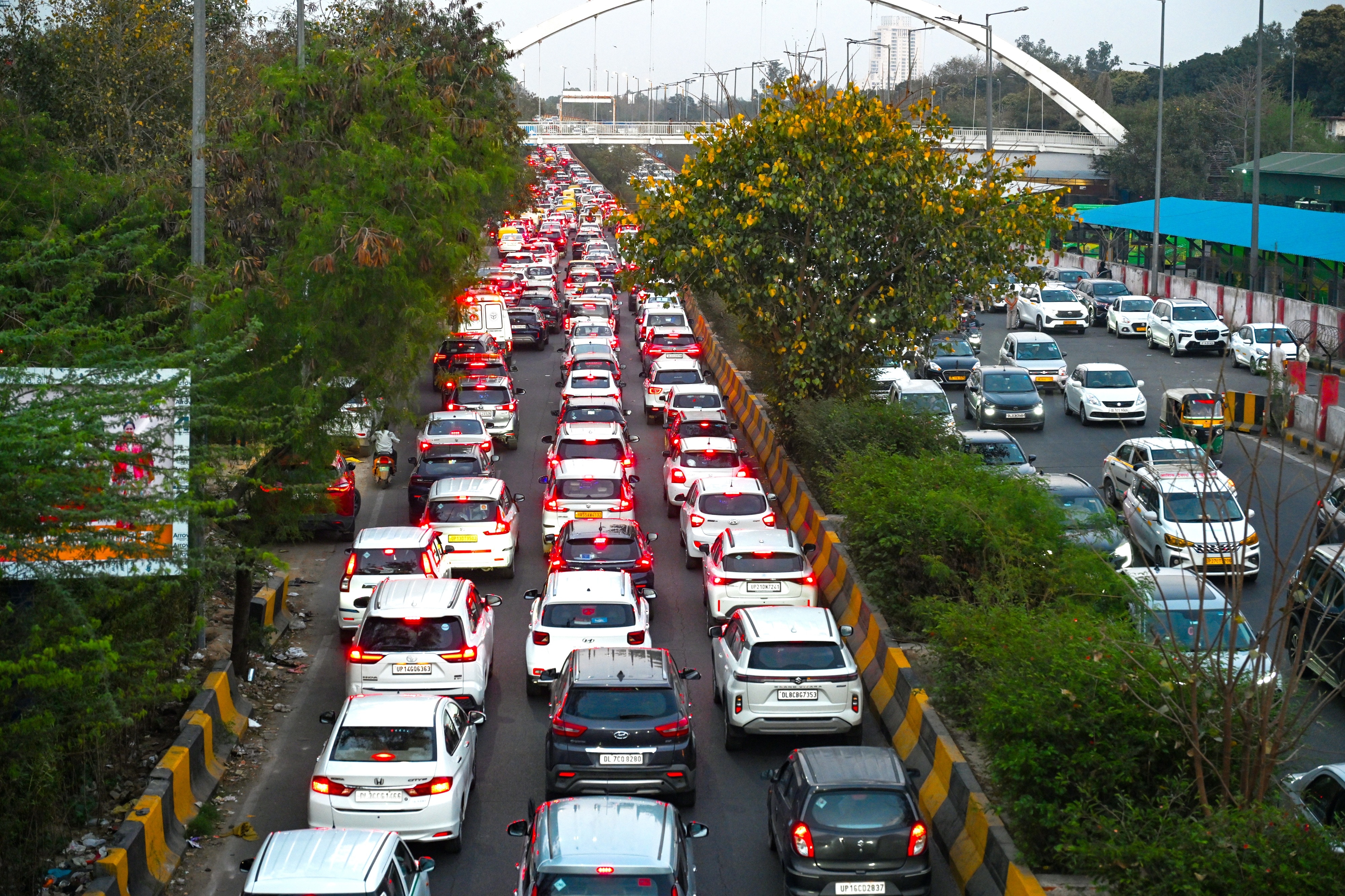
Traffic snarls, especially during peak hours, eat up a lot of time.
Photo Credit: IANS
If you’re spending two to four hours a day on the road, being able to answer emails, take a call, or just shut your eyes for ten minutes has real value. You skip the parking hunt. You skip the service centre queue. You skip the stress of Delhi traffic at the wheel.
People aren’t just paying for a ride, in other words. They’re paying to get their time back.
Metro Still Wins On Pure Cost
No contest here. On price alone, nothing beats the metro. It remains the cheapest and often the fastest way to cross this city.
But metro stations don’t sit outside everyone’s door. First-mile and last-mile gaps, luggage, family trips, odd-hour travel –these are where the metro runs out of road. Besides, long queues stretching to the metro station entry gate often leads to office delays and stress.
Therefore, most commuters aren’t picking metro or cabs. They’re stitching both together. Metro for the long, fast stretch. A cab or auto for the bit at either end.
It’s less a rivalry, more a relay race.
Renting A Premium Cab For The Weekend, And Other New Habits
Now flip to a different kind of trip: the weekend getaway, the family holiday, the business run to another city.
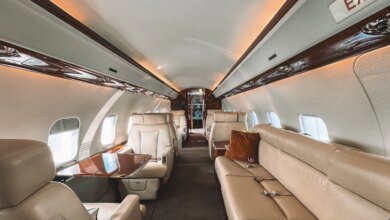
Aman Naagar of Avis India has watched a clear pattern build here. More people want a premium SUV or a luxury car for a specific occasion, without buying one.
“The conversation is gradually shifting from ownership to access, where convenience, flexibility and the overall experience often outweigh the need to maintain a vehicle that is only used occasionally,” Naagar says.
Better roads, longer family road trips, more comfort expectations — all of this is pushing demand toward bigger, plusher rental vehicles instead of the smallest, cheapest option.
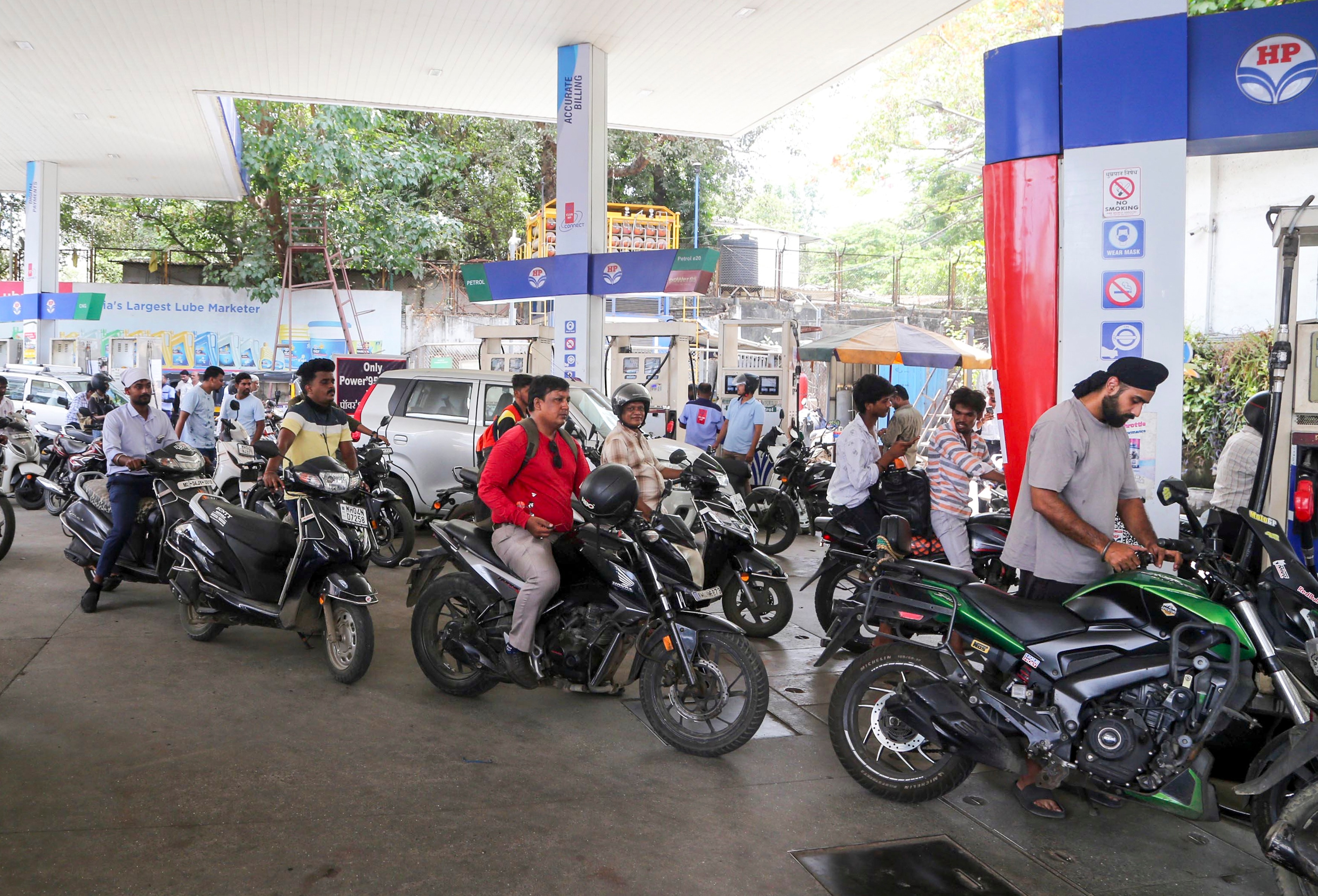
Recent fuel price volatality due to the Iran war has made daily commute more expensive.
Photo Credit: PTI
Can Your Car Earn Its Own EMI?
There’s a tempting idea floating around: rent out your personal car when you’re not using it, and let it pay for itself.
Naagar isn’t dismissive, but he’s blunt about the gap between idea and reality.
Commercial use of a private car comes with faster depreciation, extra insurance needs, tax questions, permits, and idle-time losses that rarely show up in anyone’s back-of-napkin math. It sounds like free money. It usually isn’t.
“It is important to evaluate the complete lifecycle cost rather than viewing it simply as an opportunity to offset an EMI,” he says.
For now, he says organised rental and fleet operators are still better placed to handle this complexity than an individual owner trying to moonlight their sedan.
So, Ownership Or Access? Maybe That’s The Wrong Question
Both experts — Naveen and Aman — land in roughly the same place despite coming from different businesses.
Gupta sees it as a move from owning a vehicle to owning an outcome: comfort, punctuality, and peace of mind. Naagar frames it as ownership and access growing side by side, not fighting each other. Someone might own one car for daily use and rent an SUV every time they drive to the hills.
At the end of the day, NCR isn’t choosing a winner between car, cab, and metro. It’s building a personal mix — one mode for the daily grind, another for special trips, and the metro quietly holding the middle together.
The commute war isn’t ending anytime soon. But increasingly, it isn’t really a war. It’s just like a shopping list.