New Delhi:
The Supreme Court in a landmark ruling has said the responsibility behind any accident involving elevators will have to be jointly borne by the manufacturer, maintenance agency and building owner.
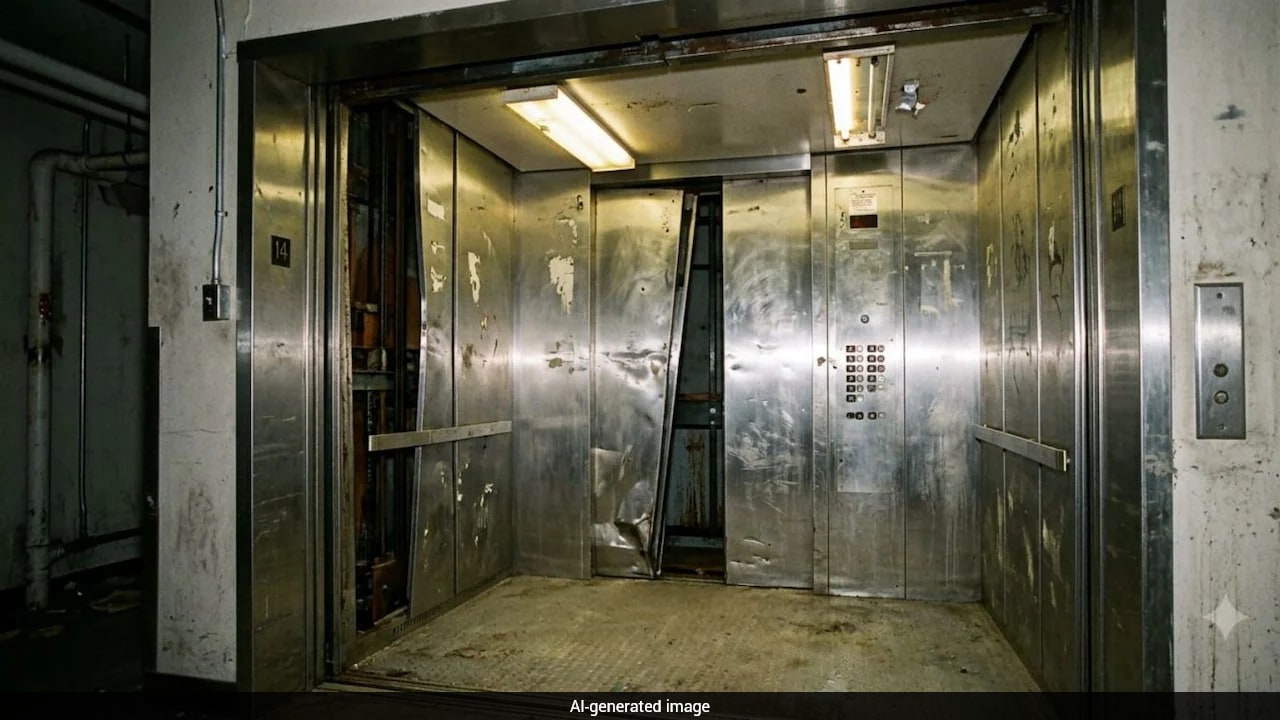
The court classified the lift as a “common carrier”, a mode of public transport, and held that ensuring passenger safety is the first responsibility of all these parties. It said people put their safety and trust in the system once they enter a lift, so a higher degree of responsibility rests on the manufacturer, maintenance agency and building management.
A bench of Justices PS Narasimha and Alok Aradhe dismissed an appeal filed by Otis Elevator Company (India) Ltd and upheld an order of the National Consumer Disputes Redressal Commission (NCDRC) passed in 2014.
The case was linked to the death of former diplomat Vipin Handa in a lift accident in the R&AW headquarters in 2003. The Supreme Court upheld the NCDRC’s order awarding compensation of Rs 3.01 crore to Handa’s wife and two children.
It also upheld 9 per cent annual interest from March 20, 2003 – the day of the lift accident – with a provision for 12 per cent interest if payment was not made within 90 days. The Supreme Court told the NCDRC to ensure its order is enforced.
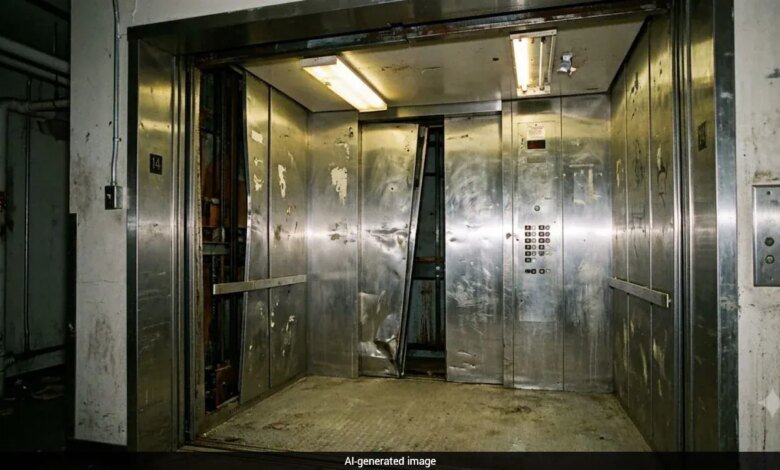
Due to the scarcity of space in urban areas, cities are now developing vertically rather than horizontally, and consequently, lifts have become an integral part of modern urban life, the court said. People step into a small steel cabin, the doors close and for a few moments, they entrust their entire safety to a mechanical system over which they have no control, it said.
Crowded lifts, especially in public spaces, can induce a sense of claustrophobia. Stale air, a lack of personal space and the sensation of being suspended between floors naturally trigger anxiety.
“In such a setting, even a slight jolt, a sudden halt or an unusual noise from the machinery can instill fear in passengers. It serves as a reminder to every passenger that safety is not merely an expectation but a fundamental guarantee that every lift must provide,” the Supreme Court said in the order on Wednesday.
It said a consumer cannot be expected to first determine the extent of each party’s fault in the event of an accident. A victim can claim full compensation from any liable party, and the parties concerned can subsequently determine their respective liabilities among themselves, the court said.
In the March 2003 accident, the lift got stuck between the sixth and seventh floors. During the rescue operation, as Handa was halfway out, the lift suddenly slipped and his head became trapped between the lift and the floor, killing him. Eleven others were rescued safely.
During the hearing, Otis said the accident was due to “human error” during the rescue operation. The company said it had previously advised the installation of a stabilizer to address voltage fluctuation issues, but this recommendation was not implemented.
The Supreme Court said the accident can’t be seen solely in terms of its immediate cause, and that the records clearly indicated the elevator had been experiencing malfunctions for a long time, with Otis fully aware of it.
Despite this, the company neither ensured necessary safety measures nor declared the elevator unsafe, the court said.
It held that the Military Engineering Services (MES) failed to properly supervise maintenance work, while the government building’s user and manager did not take action despite getting continuous complaints.
The liability has been determined as: elevator company to pay 70 per cent, MES 25 per cent and the government department 5 per cent.