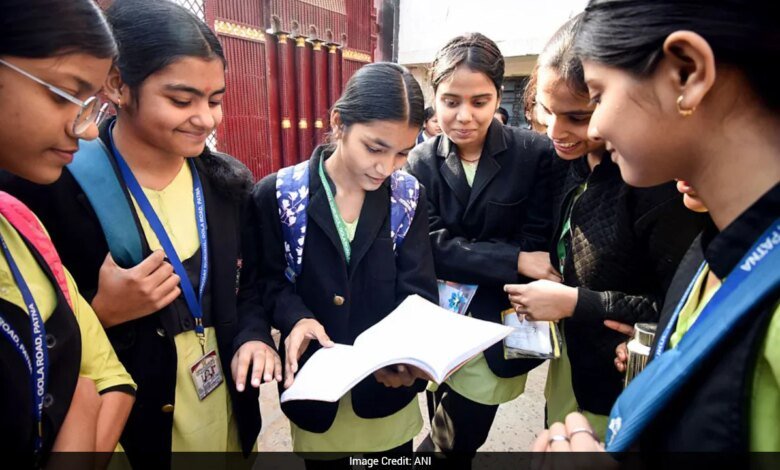
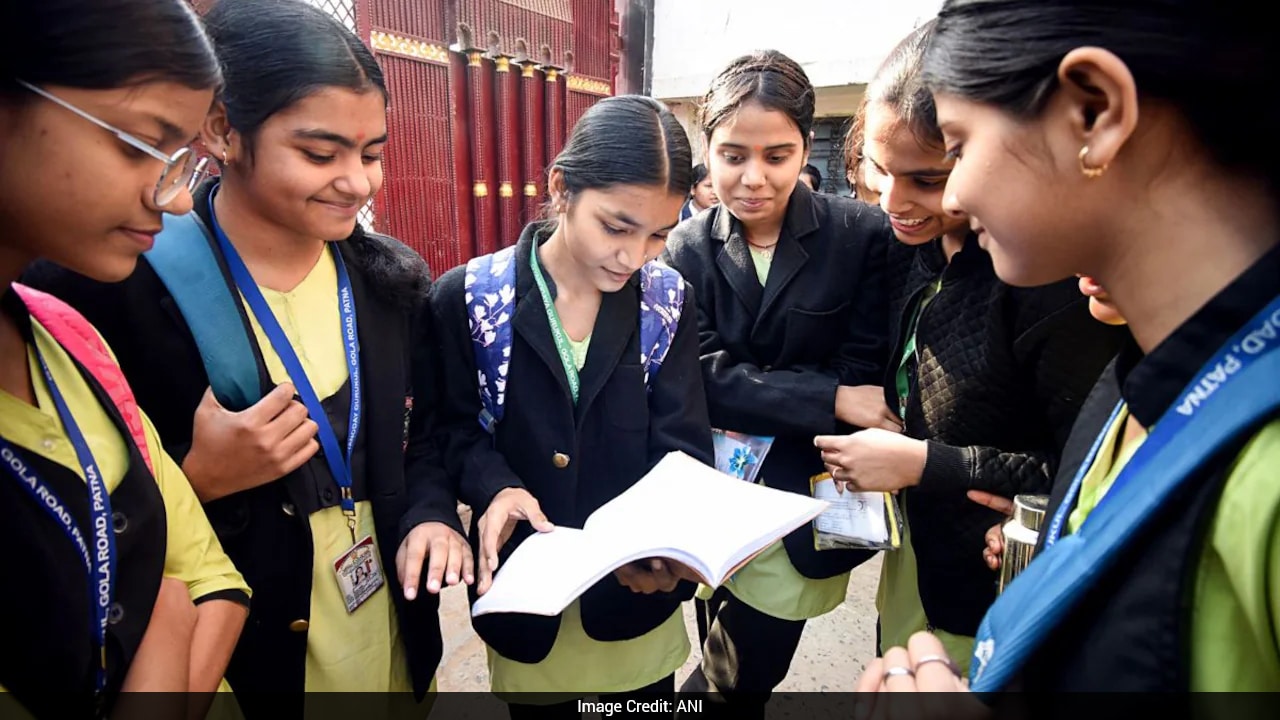
The Central Board of Secondary Education (CBSE) on Monday clarified that students currently studying in Class 9 will not have to appear for a board examination in the third language when they move to Class 10, while those in the present Class 10 batch will continue under the existing two-language system.
The Board said the guidelines will come into effect from the 2026-27 academic session.Under the new framework, students entering Class 9 from the 2026-27 academic session will study three languages, with at least two being Bhartiya Bhashas (Indian languages).
However, as a one-time transitional relaxation, for the current Class 9 batch, the third language will be assessed only through an internal school evaluation and will not be part of the CBSE board examination when they appear for Class 10 in 2027-28.
The relaxation has also been extended to students currently studying in Classes 7 and 8. Those who have already opted for two foreign languages can continue with them but will have to add one Bhartiya Bhasha. They, too, will not have to take a board examination in the third language when they reach Class 10.
The CBSE said the move is aimed at ensuring a smooth transition to the new language policy without disrupting students already studying under the existing system.
What The Three-Language Policy Says
The three-language formula is part of the National Education Policy (NEP) 2020, which recommends that students learn three languages during school education, with at least two of them being native Indian languages. The policy does not mandate any particular language but seeks to promote multilingualism while encouraging the learning of Indian languages.
Under this framework, students already studying two Indian languages may choose either another Indian language or a non-native language, such as English, French, or German, as their third language. Students studying one Indian language and one foreign language will have to choose another Bhartiya Bhasha.
As a one-time measure, students currently in Class 9 who are studying two foreign languages, such as English and French, will be allowed to continue with both while adding one Bhartiya Bhasha as the third language.
The Board has also exempted certain categories from the compulsory Indian third language requirement, including children with special needs as per the Rights of Persons with Disabilities Act, CBSE schools located outside India, and foreign students returning to India.
The Board said it would make grade-appropriate learning material available and support schools in implementing the policy. “No student shall be disadvantaged due to this alignment. The focus remains on joyful, meaningful language learning, not on examination,” it said.