Thiruvananthapuram:
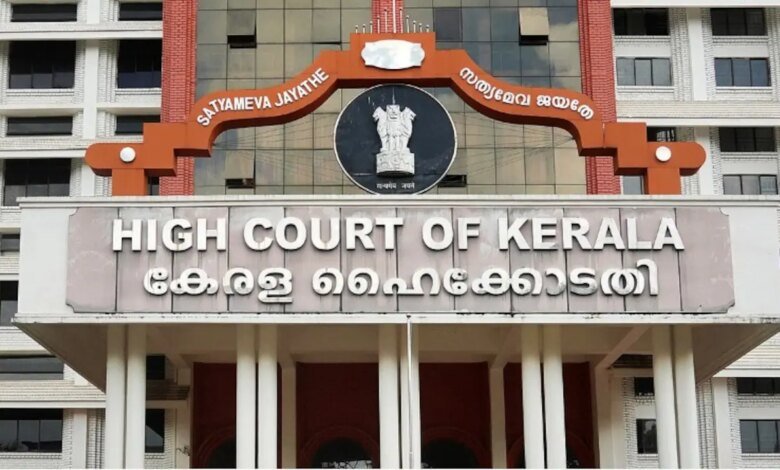
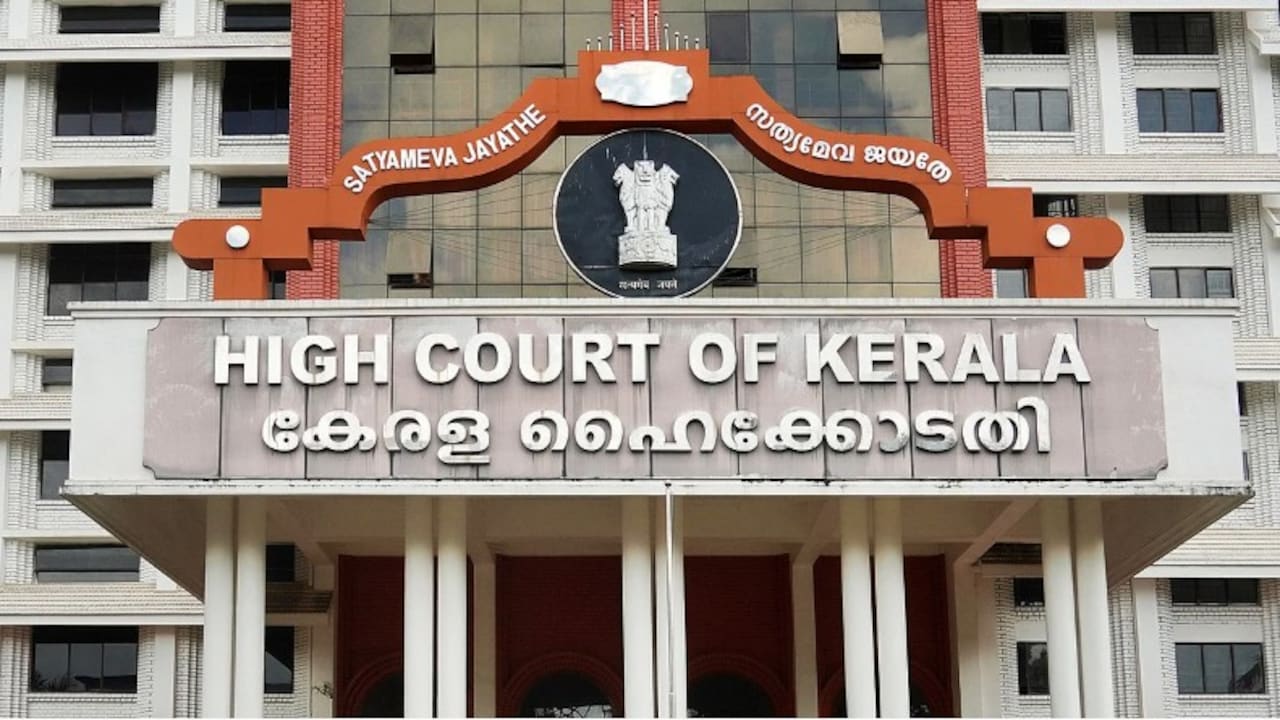
In a setback for the Centre, the Kerala High Court has set aside the Union Home Ministry’s decision refusing renewal of Foreign Contribution Regulation Act (FCRA) registration to two Kerala-based charitable organisations.
Justice Bechu Kurian Thomas, in two separate judgments delivered on August 11, found that the Intelligence Bureau reports relied upon by the Centre did not record any violation against either organisation.
The court quashed the rejection and revision orders and directed the competent authority to reconsider both applications within three months.
The cases were filed by Kerala Social Service Forum, the Kottayam-based body coordinating 32 Catholic Diocesan Social Service Societies, and Save A Family Plan India, a charitable trust based in Kanjoor in Ernakulam.
Both organisations have held FCRA registration since 1985.
The Centre had maintained that its decisions were based on reports from a central security agency and that the material was classified as secret.
The reports were subsequently produced before the High Court in sealed covers.
The court found that the IB’s standard questionnaire contained 15 questions covering possible violations, including diversion or misuse of foreign funds, forced religious conversion, communal tension and contravention of the FCRA. In both cases, the answer to all 15 questions was “No”.
The adverse observations appeared only in the recommendation section and were linked to the protests against the Vizhinjam international seaport project.
In the Kerala Social Service Forum case, the report referred to its association with the Kerala Catholic Bishops Council, which had supported the Vizhinjam agitation.
In the Save A Family Plan case, the Centre referred to funds transferred to the Trivandrum Social Service Society, which was accused of transferring funds to two other organisations allegedly associated with the protests.
The court, however, found no material establishing a money trail from either petitioner to the protesters.
“It is a travesty of justice,” the court observed while noting that renewal had been refused even though the petitioners were not shown to have participated in the agitation.
The court described the chain of allegations against Save A Family Plan as “too far-fetched and not based on any material”.
Peaceful Protest Not An ‘Undesirable Purpose’
The High Court also made significant observations on whether funding a protest could itself become a ground for action under the FCRA.
The court noted that the Vizhinjam agitation involved protests, fasting, strikes and obstruction by fishing communities raising concerns over coastal erosion, displacement and access to the sea.
It said the expression “undesirable purpose” under the FCRA cannot be interpreted as something merely undesirable to the government or contrary to its political will.
Executive disagreement with dissent cannot turn the exercise of a constitutional right into an undesirable activity, the court said.
The High Court also rejected the argument that reasons for refusing FCRA renewal could automatically be withheld merely because a security agency report was involved.
It held that reasons are fundamental to administrative decisions and described both rejection orders as “wholly perverse”.
The court directed the Centre to reconsider both FCRA renewal applications within three months.
In the case of Save A Family Plan India, the court allowed its FCRA certificate to remain valid in the interim for utilisation of funds already received when the registration was valid.
The organisation, however, cannot receive fresh foreign contributions until the Centre takes a fresh decision.
Advocate Karthika Maria, who appeared for both the petitioners, stated that the court could easily comprehend that the IB report, based on which the FCRA was withheld, did not hold any evidence to the allegations. “Court stated that the right to protest as part of collective bargaining. Court made a stark observation dissecting national interest should not being against public interest or a bill introduced by the government,” Maria stated
The trust had told the court that Rs 16.72 crore received while its FCRA registration was valid had become inaccessible following the refusal to renew its registration.