Bhopal:
For decades, Bhopal has been celebrated as the City of Lakes and a symbol of India’s ‘Ganga-Jamuni Tehzeeb’ – a city where cultures, faiths and communities have coexisted peacefully. Yet, a disturbing pattern emerging from anti-terror investigations over the last decade is raising uncomfortable questions, including why terror-linked modules, radical networks and extremist recruiters keep surfacing in and around the Madhya Pradesh capital.
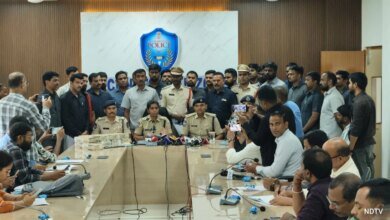
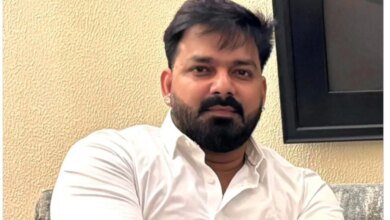
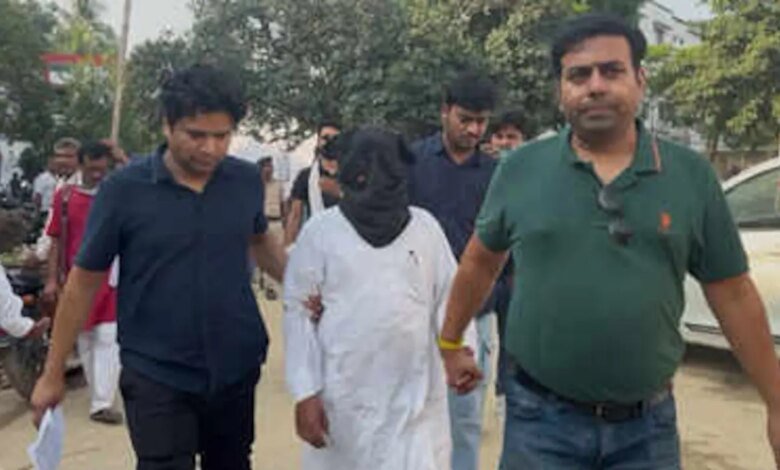
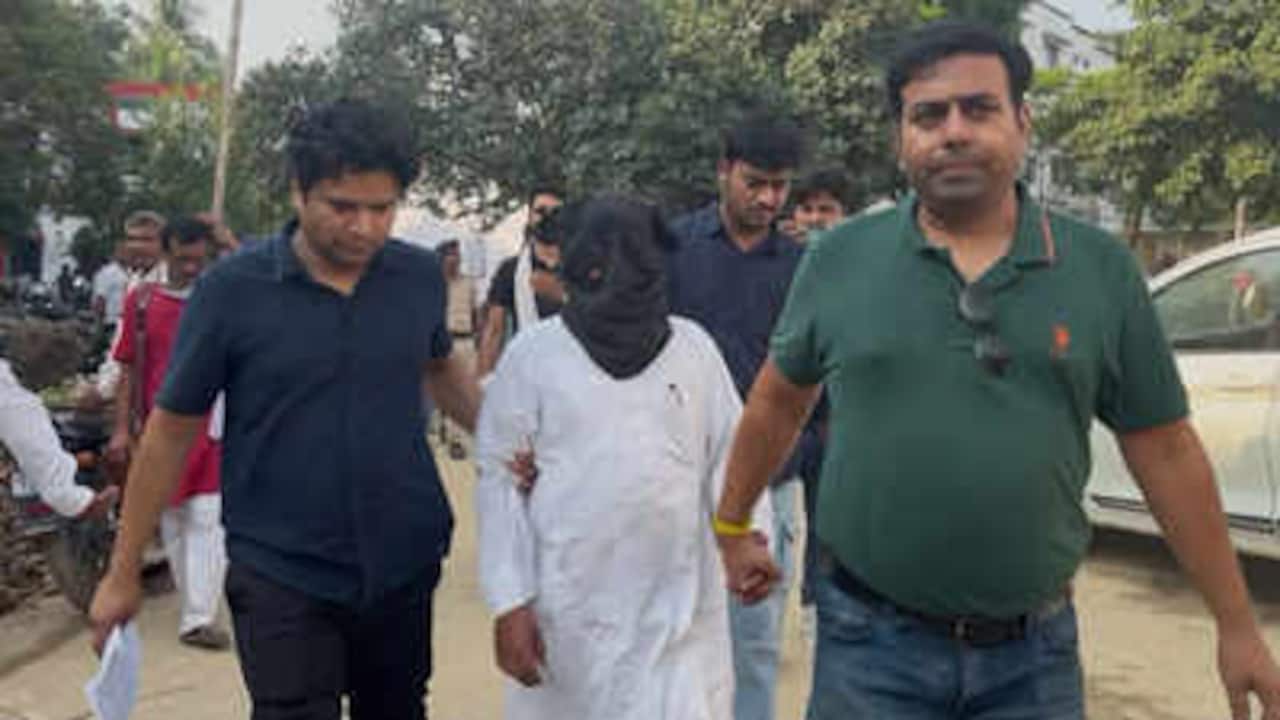
The latest trigger is the arrest of 35-year-old Mohammad Faraz from the old city area of Tila Jamalpura. What initially appeared to be another anti-terror operation has now snowballed into an investigation stretching across multiple states, and handlers based in Pakistan were also allegedly involved.
According to investigators, Faraz was not just consuming radical content online. He was allegedly being groomed to become a “lone wolf” attacker capable of carrying out a strike independently while remaining largely invisible to security agencies. Sources associated with the probe claim that his journey towards radicalisation began during the second wave of COVID-19 in 2021, when he started looking up jihad-related content online. Those searches allegedly brought him into contact with overseas handlers operating through encrypted WhatsApp and Telegram groups.
What Anti-Terrorism Squad (ATS) investigators reportedly found on his devices paints an alarming picture. Officials claim they recovered extremist literature, videos glorifying terrorists, propaganda material, footage of brutal killings by global terror outfits and content designed to convince recruits that their community was under attack and needed to retaliate. Investigators suspect Faraz had even obtained a passport and was exploring routes to Afghanistan with the intention of receiving further training before eventually participating in global jihadist activities.
But Faraz is only one piece of a much larger puzzle.
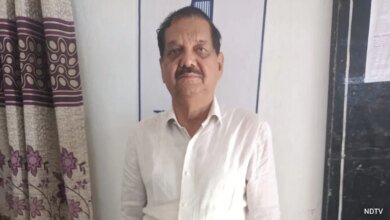
The investigation has already led ATS teams to Saharanpur in Uttar Pradesh, Alwar in Rajasthan and Madhubani in Bihar. Authorities arrested Faraz’s alleged associates Naeem Abdullah Qureshi from Uttar Pradesh and Mohammad Shakir Mev from Rajasthan. The biggest breakthrough, however, came with the arrest of 65-year-old Izhar-Ul-Haq from Bihar, who investigators suspect acted as the “Amir” or ideological head of the group. Officials believe questioning him could reveal whether similar radicalisation modules are operating elsewhere in India under the guidance of overseas handlers.
Investigators allege the members of the group operated under the aliases of terrorists who have been killed and held regular online meetings. ATS sources claim Faraz used the identity of Khalid Saifullah, a Pakistani terrorist linked to multiple attacks in India. Investigators suspect he was not merely a recruit but had begun identifying and influencing others who could later be transformed into lone-wolf attackers.
Security Concerns
The case has also revived concerns about Bhopal’s repeated appearance in terror investigations over the years.
Official records show that 71 terror suspects arrested by various national agencies over the last decade are currently lodged in Bhopal Central Jail. Among them are accused linked to organisations such as SIMI (24), PFI (19), Hizb-ut-Tahrir (19), ISIS (4), Jamaat-ul-Mujahideen Bangladesh or JMB (4), and Sufa (1).
The timeline of arrests reads like a catalogue of recurring security concerns.
In March 2022, ATS raided Ahmed Nagar in Aishbagh and busted a module linked to the JMB. Later that year, alleged PFI leader Dr Anwar Siddiqui was arrested from the outskirts of the city. In May 2023, ATS cracked down on a Hizb-ut-Tahrir network and arrested eleven suspects from Bhopal and Chhindwara. In June 2025, agencies investigated a suspected terror-funding network operating from Aishbagh, while another probe targeted individuals allegedly connected to Pakistan-based social media networks. Just months later, Delhi Police’s Special Cell arrested a Bhopal resident in an ISIS-linked case.
Taken individually, each case appeared isolated. Together, they reveal a worrying pattern.
Security agencies believe the old city areas, dense neighbourhoods, social media ecosystems and online radicalisation channels are increasingly being exploited by extremist organisations searching for vulnerable recruits.
Investigators say the battlefield has changed. Recruitment no longer requires physical camps, secret meetings or border crossings. A smartphone, an encrypted messaging application and a determined handler sitting thousands of kilometres away can potentially create a radicalised individual willing to act alone.
Responding to NDTV’s question on the issue, Chief Minister Mohan Yadav asserted that strong coordination between the Centre and the states has enabled agencies to detect such conspiracies before they can be executed.
“Thanks to (Prime Minister Narendra) Modi ji, our state and the country enjoy an excellent law-and-order situation. Today, through the coordinated efforts of the Centre and the states, conspiracies are being detected and thwarted before they can materialise. Pakistan has long engaged in such activities. Their handlers attempt to mislead our youth and create divisions. Our agencies tracked them in time, seized the material and exposed the conspiracy,” the chief minister said.