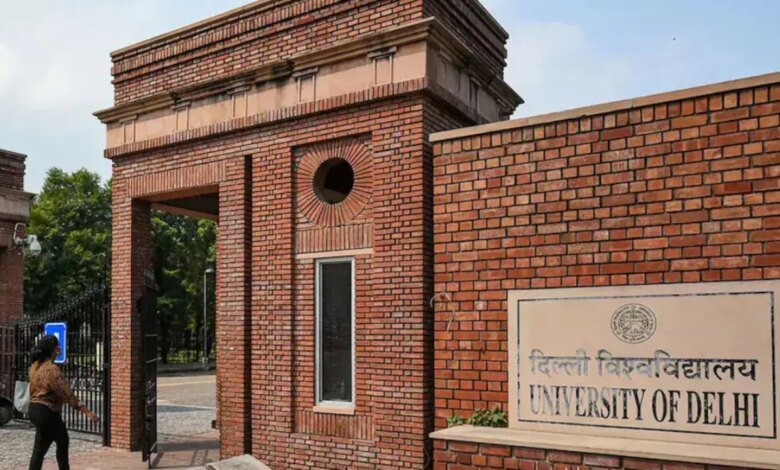
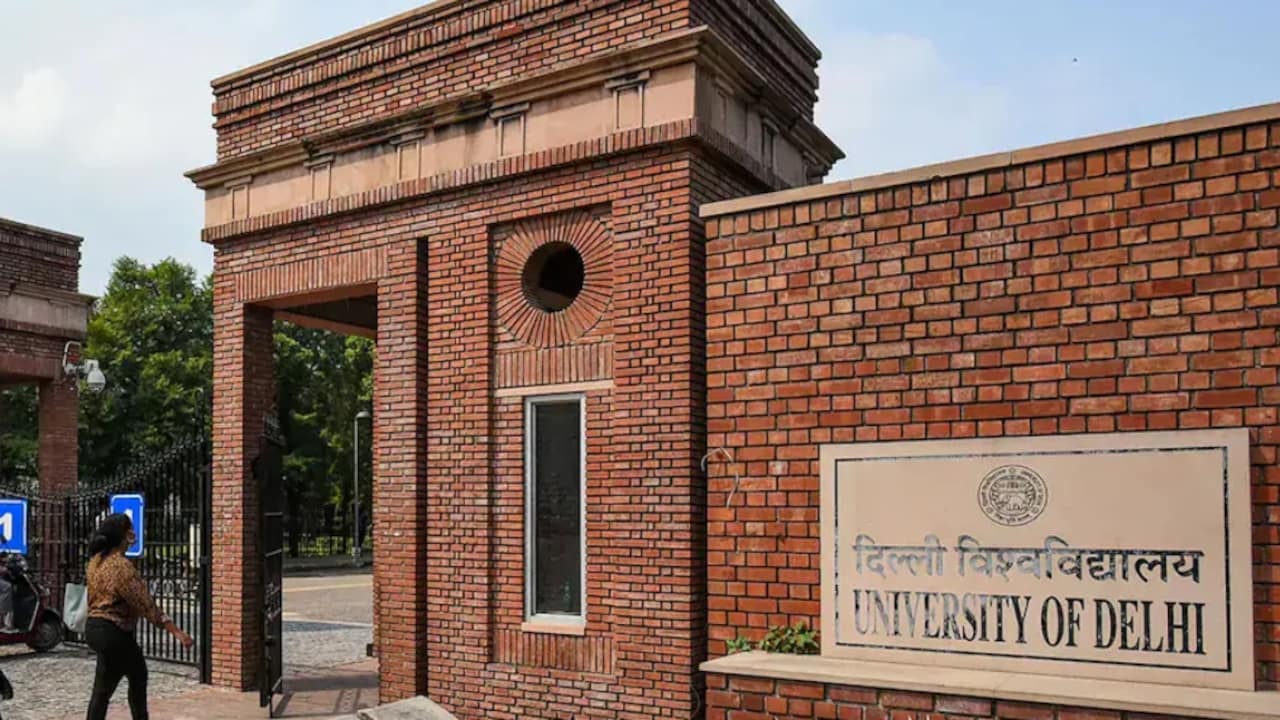
The Akhil Bharatiya Vidyarthi Parishad (ABVP) has welcomed the University of Delhi’s newly announced guidelines for the Delhi University Students’ Union (DUSU) Elections 2026, describing them as a step towards ensuring clean, transparent, and dignified student elections. The student organisation, affiliated with the Rashtriya Swayamsevak Sangh (RSS), said the measures would strengthen democratic values on campus and promote responsible student politics.
In a statement issued on Saturday, ABVP said, “The University’s decision is a welcome step toward clean, transparent, and dignified student union elections.” It added that Delhi University serves not only as a centre of education but also as an important platform for nurturing democratic values among students. The organisation further stated that conducting elections with “dignity, discipline, ideology, and dialogue” is a shared responsibility of all student groups.
The guidelines were finalised during a meeting held on July 16 between the university administration, DUSU office-bearers, and representatives of student organisations. As part of the new election framework, the university has decided to strictly enforce a ‘no painting, no printing, and no pasting’ policy during election campaigning. Only handmade posters displayed on the designated ‘Wall of Democracy’ will be permitted. The administration has also prohibited the entry of heavy vehicles, including JCBs, tractors, and cars with tinted windows, into the university campus during the election period.
ABVP Delhi State Secretary Sarthak Sharma praised the university’s decision, saying the guidelines align with the directions of the Delhi High Court and the recommendations of the Lyngdoh Committee. He said the provisions related to protecting public property, conserving the environment, enforcing a clear campaign code of conduct, and preserving the academic atmosphere would help create “a responsible and ideal electoral environment.” Sharma also expressed confidence that all student organisations would follow the guidelines and uphold healthy democratic competition while prioritising students’ interests.