New Delhi:
A tiny colony with tarpaulin homes on the banks of the Yamuna in the Capital has captured national attention. Of the 728 voters registered in Bela Estate for the last election, only one has made it to Delhi’s draft electoral rolls. While the Election Commission says the remaining electors have been marked absent, shifted, duplicate or deceased, residents dispute the deletions.
They say they have continued to live here and voted even in the 2025 elections. Residents also say the Election Commission is mapping electors against the 2002 electoral rolls, and that their names can be found in those records. For them, the exercise has raised a more fundamental question: whether the state still recognises their presence in a settlement where they say they have lived and voted for years.
Tempers are high. Residents insist that they should remain on the electoral roll and fear that the deletions could be used to portray them as recent arrivals rather than established residents of Delhi.
Pooja, a resident of Bela Estate, believes the entire exercise is being carried out with the eventual aim of evicting them.
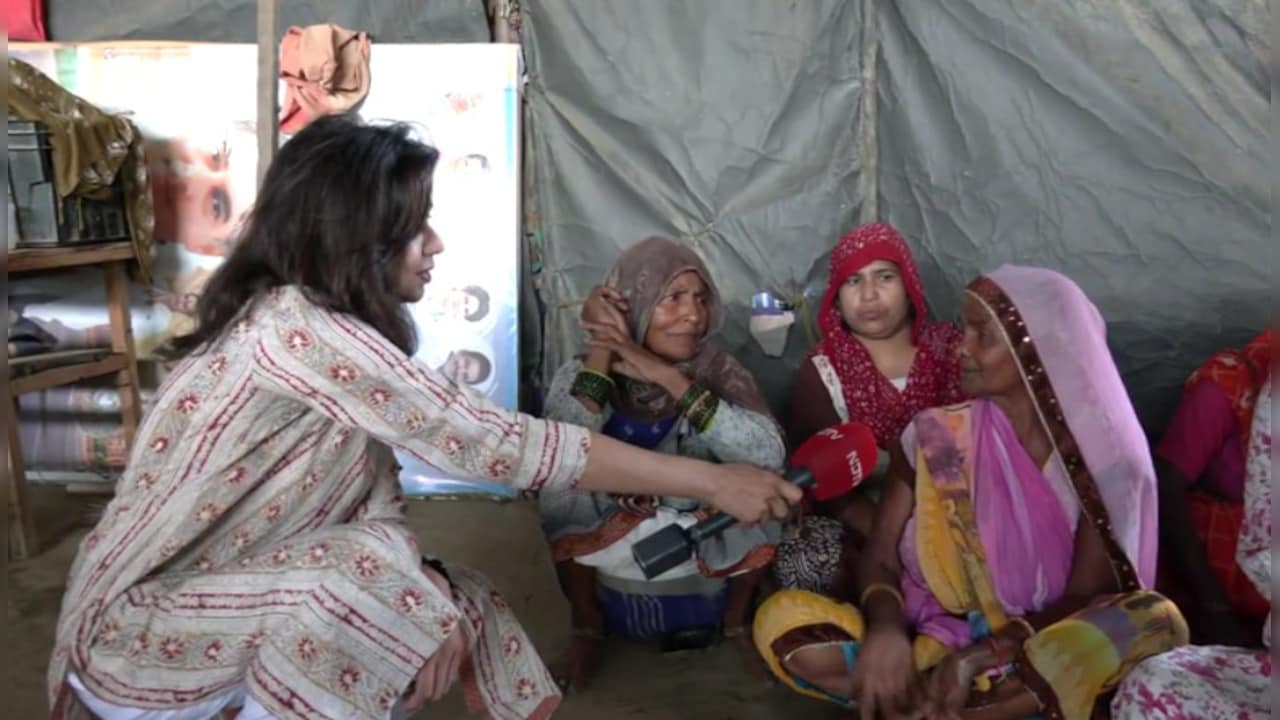
80-year-old Amma says she has always voted in Bela Estate
“They have already taken away our identity, our houses,” she said. “What if this is a ploy to make sure they evict us again? They will say we moved here after 2026 as new voters and disenfranchise us despite voting in several elections, even in 2025.”
Another resident, Maluda, said the community was already living without basic security or amenities. “We have no place to go, not even a place to defecate,” said Maluda. “They have already taken our homes, what more do they want to take from us? Where will we go if our identities are erased?”
An 80-year-old resident, known to all as Amma, says four generations of her family have lived in Bela Estate. “Why then have our votes been deleted?” she asked.
Another resident, Kamal, who is a teacher, said the community had consistently voted from the settlement and had been included in previous electoral rolls. “We’ve voted here from the beginning. We are included in the 2002 list, in the 2025 list. The Election Commission surveyed the area, the BLO was here. 550 forms were submitted. Even then our votes are not recorded,” he said.
The Election Commission says the names missing from the draft roll have been classified through the verification process as absent, shifted, duplicate or deceased. The Delhi CEO’s office has also said that the Bela Estate voters were placed in the ASDD – absent, shifted, dead or duplicate – category after verification.
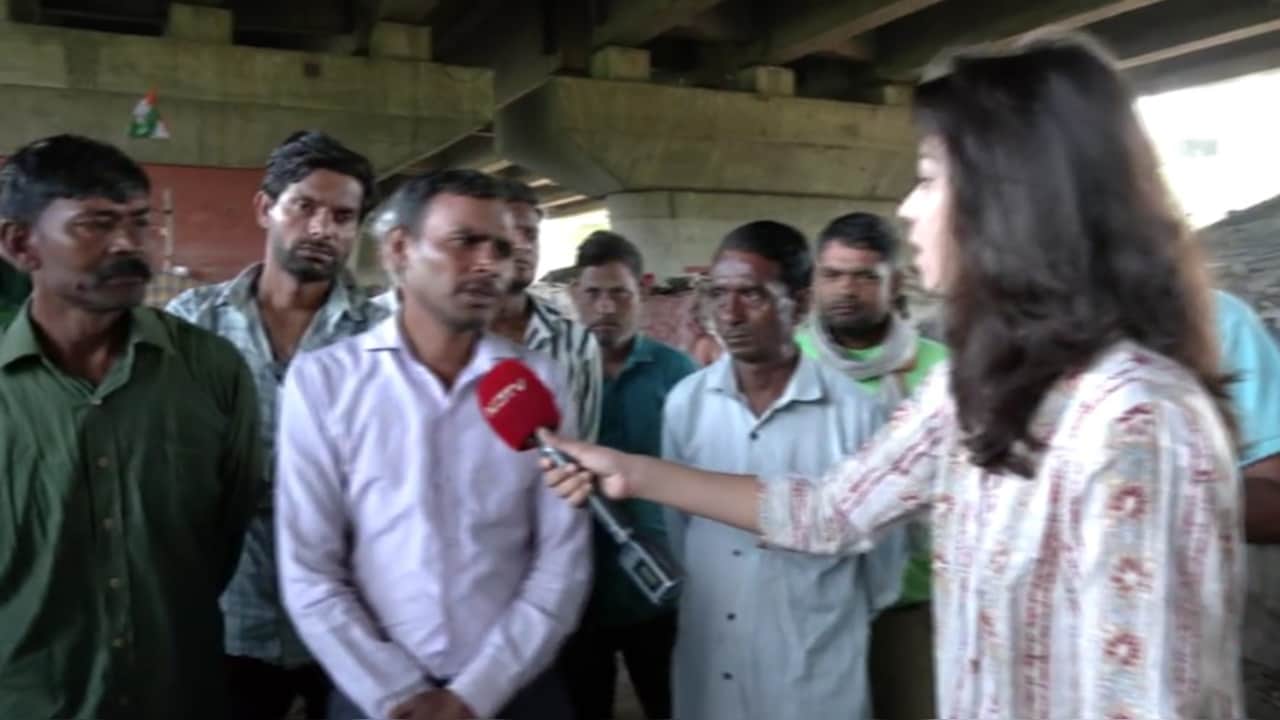
Kamal, a Bela Estate resident, says 550 SIR forms were filled from the settlement
Responding to the controversy, the Delhi CEO’s office said the matter had already been addressed by the concerned Electoral Registration Officer. It also said: “The Election Commission of India has extended the period of filing claims and objections for NCT of Delhi till 30.10.2026. In case any eligible elector finds his name missing in the draft roll, they can fill Form 6…”
The Delhi CEO’s office has separately clarified that being left out of the draft roll does not mean an elector is permanently excluded. Eligible electors whose names are missing can seek inclusion through Form 6 during the claims and objections period, while the ASDD list records the reasons for names not appearing in the draft roll.
But for residents of Bela Estate, the issue is not simply about another form. They say their names have appeared on electoral rolls for years and that they have repeatedly exercised their right to vote. They question why they should now have to establish themselves as “new” voters.
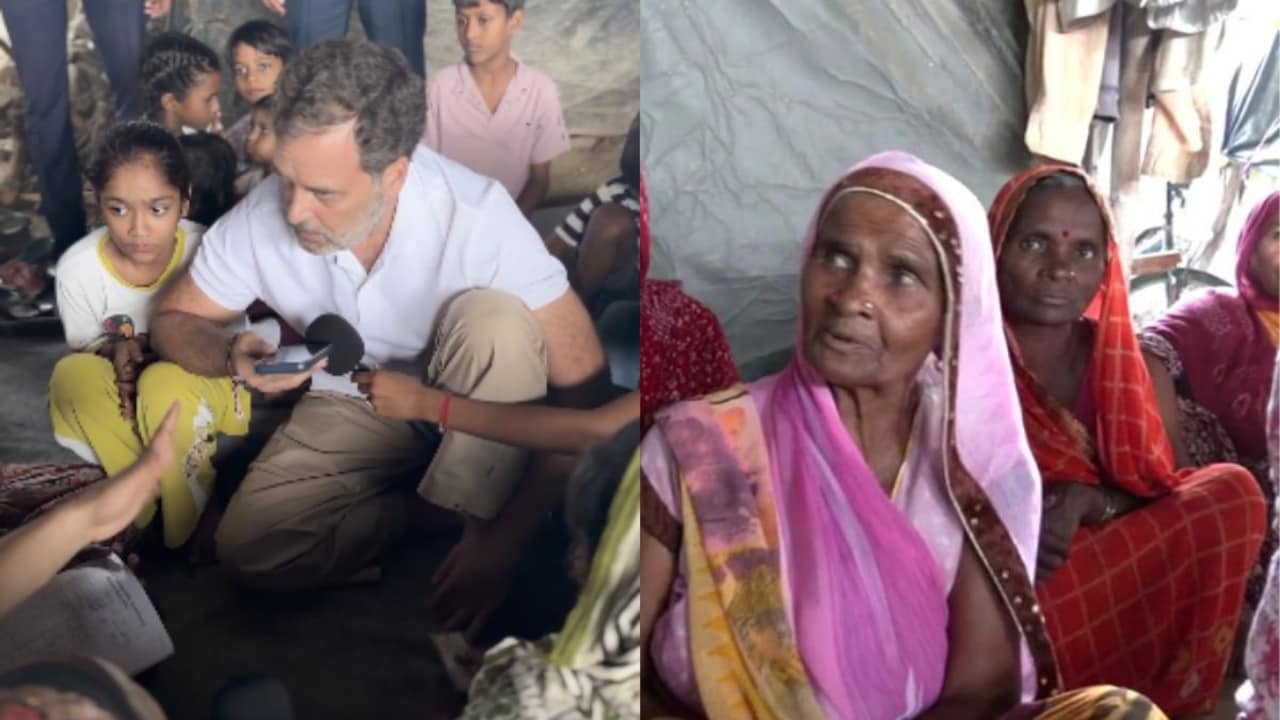
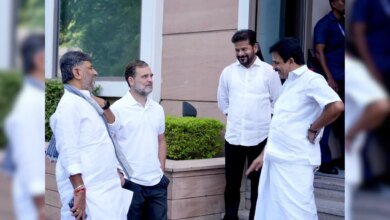
Rahul Gandhi visited Bela Estate on Monday
The controversy has acquired a national political dimension following Rahul Gandhi’s visit to the settlement. Gandhi has attacked the Special Intensive Revision, or SIR, exercise as “vote chori” – vote theft – arguing that the removal of legitimate voters from electoral rolls undermines the electoral process.
His visit has intensified an already charged political battle over the SIR exercise. But in Bela Estate, the dispute remains deeply local and immediate: residents want to know why names they say have been on the electoral roll for years have suddenly disappeared.
They point to the 2002 rolls, displaying documents, their past votes and their continued presence in the settlement as evidence that they have not simply vanished.
The question now is whether those claims will be reflected in the final electoral roll – and whether the people living under tarpaulin sheets along the Yamuna will continue to have a recognised political identity in the city they say is their home.
“This is our land. They are trying to displace us,” said another resident, while displaying his property papers. “We have all the documents. Governments have come and gone, have promised us houses but left us here to rot. Deleting us from the voter list, however, is a first. It seems they want to erase us.”