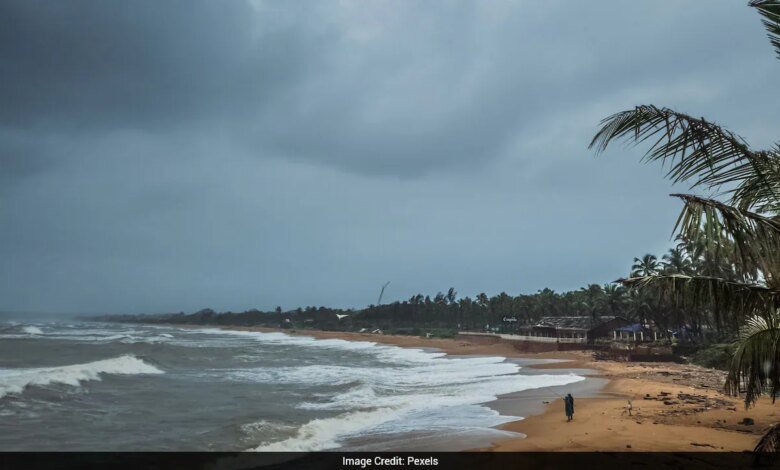
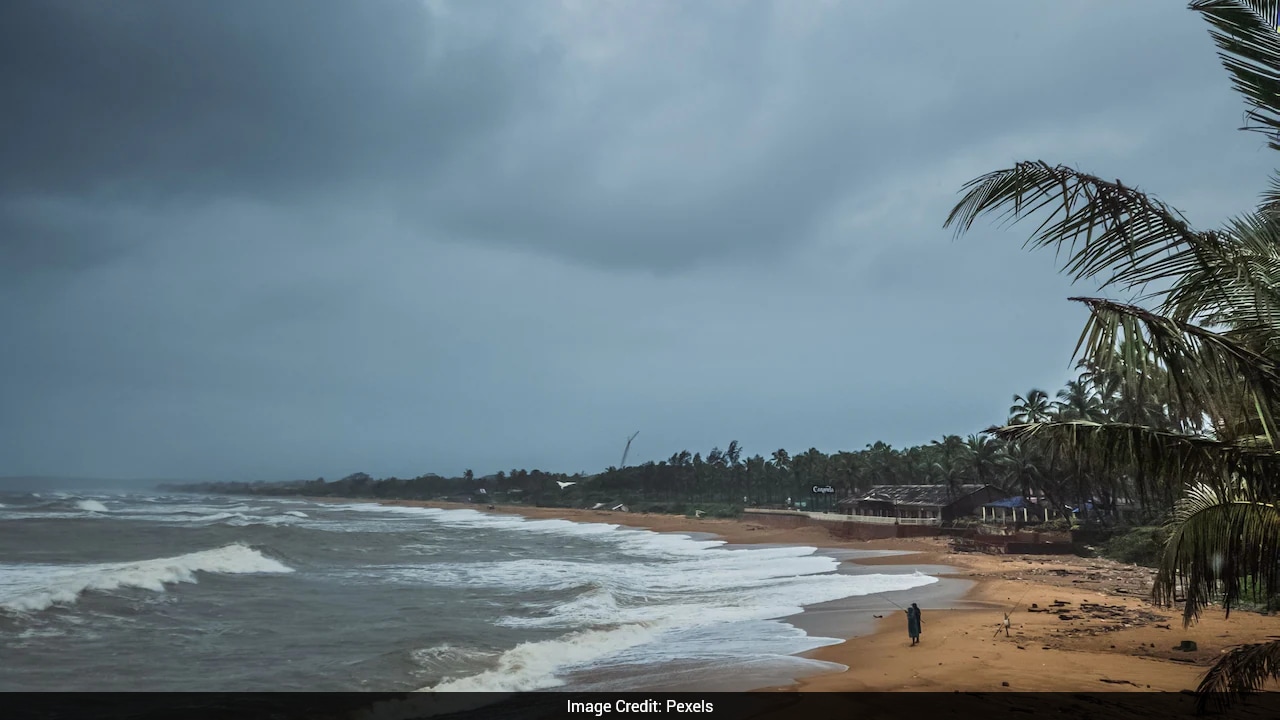
Cyclones can bring strong winds, heavy rainfall and flooding, making it important for states in their expected path to prepare in advance. As Cyclone Arnab approaches the eastern coast of India, Odisha and Andhra Pradesh have stepped up precautionary measures to deal with its possible impact.
The India Meteorological Department (IMD) has forecast that the system will intensify into a cyclonic storm over the west-central Bay of Bengal on October 26 and move towards the Andhra Pradesh coast by the morning of October 28. While Odisha is strengthening its preparedness to prevent casualties, Andhra Pradesh has directed power utilities to ensure an uninterrupted electricity supply.
Odisha Government Steps Up Cyclone Preparedness
According to PTI, Odisha is preparing for the possible impact of Cyclone Arnab, with the state government setting a target of zero casualties.
Chief Minister Mohan Charan Majhi said on Saturday that the government had reviewed the possible impact of the cyclone. He added that specific responsibilities had been assigned to different departments to ensure the state was prepared before the system’s expected landfall.
Andhra Pradesh Takes Precautions Ahead Of Landfall
In neighbouring Andhra Pradesh, Minister G Ravi Kumar on Sunday directed power utilities to take precautionary measures to ensure an uninterrupted electricity supply amid the threat of Cyclone Arnab.
The IMD has forecast that the cyclonic storm is expected to make landfall along the Andhra Pradesh coast on October 28.
How Cyclone Arnab Got Its Name
The name Arnab was proposed by Bangladesh and is included in the official list of tropical cyclone names adopted in April 2020 by the World Meteorological Organisation (WMO) and the United Nations Economic and Social Commission for Asia and the Pacific (ESCAP) Panel on Tropical Cyclones.
The list contains names submitted by 13 countries: Bangladesh, India, Iran, the Maldives, Myanmar, Oman, Pakistan, Qatar, Saudi Arabia, Sri Lanka, Thailand, the United Arab Emirates and Yemen.
Each country contributed 13 names, bringing the total to 169. These names are used in sequence as tropical cyclones develop over the North Indian Ocean, which includes the Bay of Bengal and the Arabian Sea.
The name Arnab is commonly associated with the Bengali word for the ocean or sea. However, the official IMD naming list confirms the country that proposed the name and its pronunciation but does not provide a definition of the word.
According to the IMD, naming tropical cyclones helps people identify individual weather systems and stay aware of their development. It also reduces confusion when multiple storms occur at the same time.
Names make cyclone warnings easier to remember and communicate, helping people understand which storm authorities are referring to.