New Delhi:
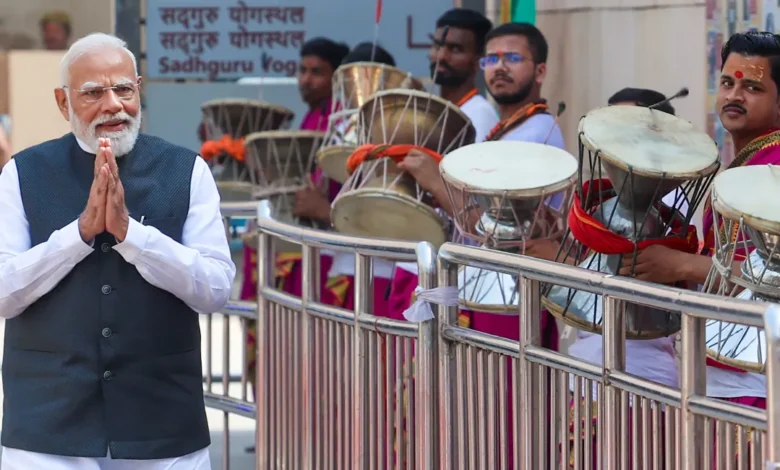
The Union Cabinet on Wednesday approved two ambitious elevated road projects — the Ganga Corridor and the Varuna Corridor — with a combined investment of nearly Rs 25,000 crore. Together, the projects are expected to dramatically improve mobility in Prime Minister Narendra Modi’s constituency Varanasi. The twin projects are also expected to give a major push to tourism and urban development in one of the world’s oldest cities.
The larger of the two, the 46-km six-lane Ganga Elevated Corridor, will connect NH-19 with the Varanasi Ring Road through a riverfront alignment along the Ganga. Designed by the National Highways Authority of India (NHAI), the corridor aims to reduce pressure on the city’s congested roads while preserving existing habitations.
Once operational, the expressway is expected to raise average travel speeds to nearly 100 km per hour — almost five times the current pace. Travel time on the route is projected to fall from around 60 minutes to just 20 minutes, offering faster access for both residents and visitors.
However, the project is about much more than cutting travel time. NHAI has envisioned it as a riverfront infrastructure and tourism project. The alignment includes a cable-stayed bridge that is expected to become a new landmark for the city. Dedicated viewpoints and visitor spaces overlooking the Ganga and the iconic ghats are also planned, creating new public spaces while enhancing the experience for tourists.
The Ganga Elevated Corridor project covers the villages of Samne, Domri, Sirgovardhanpur, Chhitupur, Kila Kohna, Korauta, Ramnagar, Bhagwanpur, Sujabad, Nagwa, Nadesar, and Varidpur. Therefore, the sale and purchase of land in these villages have been halted.
The Cabinet also cleared the Varuna Corridor, a 43.2-km elevated link connecting NH-31 with the Varanasi Ring Road along the Varuna river. Estimated to cost around Rs 11,000 crore, the project will feature flyovers, ramps, loops and link roads to streamline movement across the city.
An important component of the plan is a 21-km elevated stretch running from near Harahua to the confluence of the Varuna and Ganga near Namo Ghat. The four-lane corridor will allow travellers arriving from Lucknow, Jaunpur and Prayagraj to reach Namo Ghat directly without entering the city’s crowded streets. From there, pilgrims can take boats to the Kashi Vishwanath Temple, easing pressure on central Varanasi.
Part of the alignment will pass through around 2.56 acres of land under the Cantonment Board, for which the Ministry of Defence’s approval was required. The Varuna Elevated Corridor includes the villages of Kuduhana, Rustampur, Parshurampur, Sarai, Piran, Baragaon Pratham, Chhapri, Loharapur, Raniyapur, Chhitauni, Korauta, Kila Kohna, Inderpur, Sirista, Chauka, Jetupur, Kazi Sarsaulpur, Atharpur, Makdoompur, Bhatke, Karanjapur and Katesar in Sadar tehsil.
Photo Credit: Pexels
The projects come at a time when Varanasi is witnessing an unprecedented surge in visitors. The city now attracts nearly 15 crore tourists and pilgrims every year, making efficient transport infrastructure essential for managing growing travel demand.
‘New Model Of Urban Development’
Industry experts believe the impact could extend well beyond smoother traffic.
Aman Gupta, Director of RPS Group, said the Ganga and Varuna Corridor projects represent a new model of integrated urban development rather than conventional transport projects.
“The Ganga and Varuna Corridor Projects are going to be excellent examples of integrated urban development. Unlike other religious infrastructure projects, these will create a synergy of connectivity, tourism, public infrastructure, and other sectors of economic activity,” Gupta said.
He noted that improved accessibility typically acts as a catalyst for investment, employment and real estate growth. According to Gupta, the government’s continued focus on large-scale infrastructure sends a strong signal that connectivity is becoming the foundation for future urban expansion.
Drawing a parallel with the National Capital Region, Gupta said cities such as Faridabad could witness similar benefits as connectivity improves through projects like the Delhi-Mumbai Expressway, Metro expansion, Jewar International Airport and the proposed Faridabad-Noida-Ghaziabad Expressway. Better infrastructure, he said, tends to attract residential demand, commercial investments and higher land values.
Speaking on the impact of the two projects on the economy, Manoj Kumar Garg, Chairman, NorthWind Estates, said, “The proposed Ganga and Varuna Corridors signify an important move towards the story of infrastructure-led growth in Uttar Pradesh and would further consolidate the global spiritual, cultural, and tourism destination of Varanasi. Urban infrastructure projects such as these generate a multiplier effect on the economy through tourism, hospitality, retail, commercial real estate development and job creation.”
He added, “The Gross State Domestic Product (GSDP) of Uttar Pradesh currently stands at more than Rs 30 lakh crore, and the state has set itself a target of having a $1 trillion economy. Infrastructure development projects such as these, along with expressways, airports, and urban renewal schemes, would attract more private investment and improve ease of doing business.”