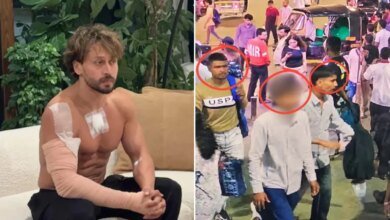
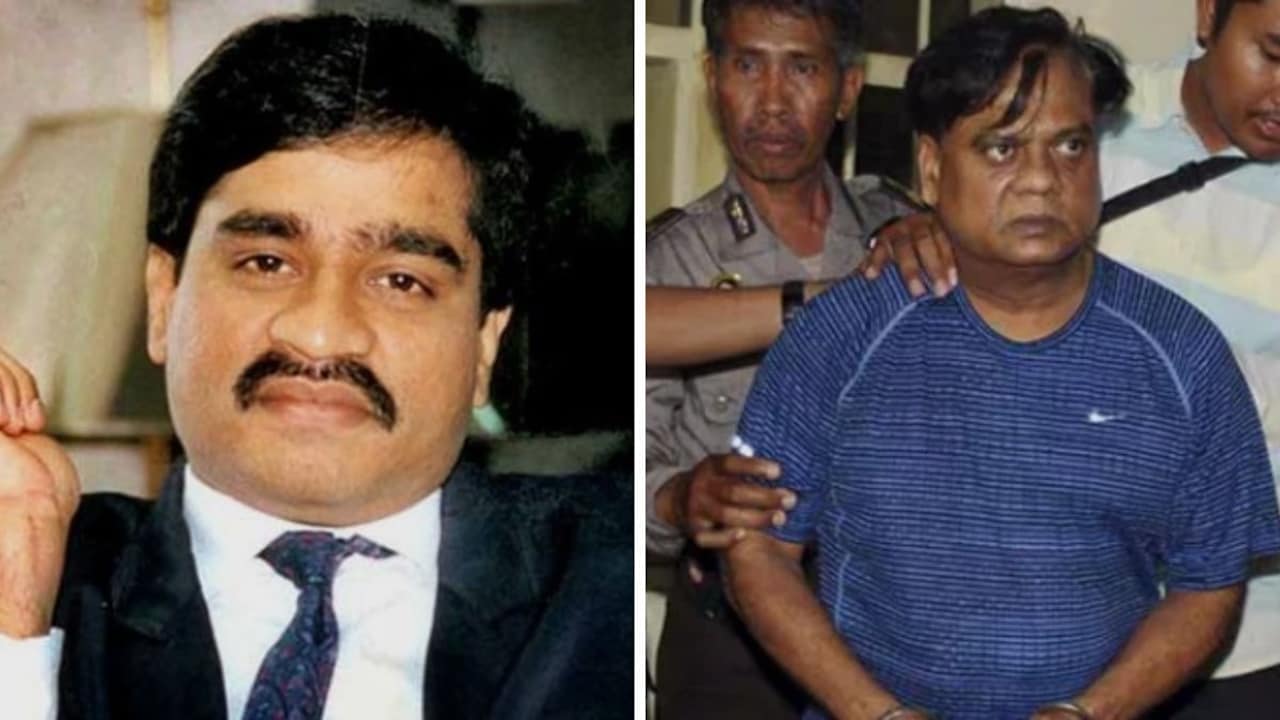
Filmmaker Ram Gopal Verma is correct in tweeting that shooters are the most replaceable, most disposable, and therefore the cheapest component of the underworld’s ecosystem. He was referring to the praise of the cops who had arrested the accused who fired at actor Tiger Shroff two weeks ago. Verma, who has produced several movies on the Mumbai underworld, including his cult film “Satya” (1998), has become a sort of expert on the subject. His comments on Mumbai’s organised crime syndicates are based on the research he did for his movies.
Shooters or hitmen have been the backbone of Mumbai underworld gangs which ruled the city with fear in the 1980s and 1990s. An extortion call by a mafia don to a businessman, hotelier, builder, or a filmmaker would be taken seriously only if the victim knew that the don had an army of shooters. These shooters, acting upon the orders of their bosses, who were settled abroad, would spray bullets at the given target. The consequent fear-psychosis then made it easy for the gangs to extort money.
In Tiger Shroff’s case, the Bishnoi gang hired young men by luring them with a few thousand rupees and prospects of settling them abroad. Let’s understand how various gangs active in the 80s and 90s recruited young boys as their shooters.
Also read: Opinion | How Prepared Is Mumbai To Prevent An October 7-Like Israel Terror Attack?
Dawood Ibrahim’s Gang Aka D-Company
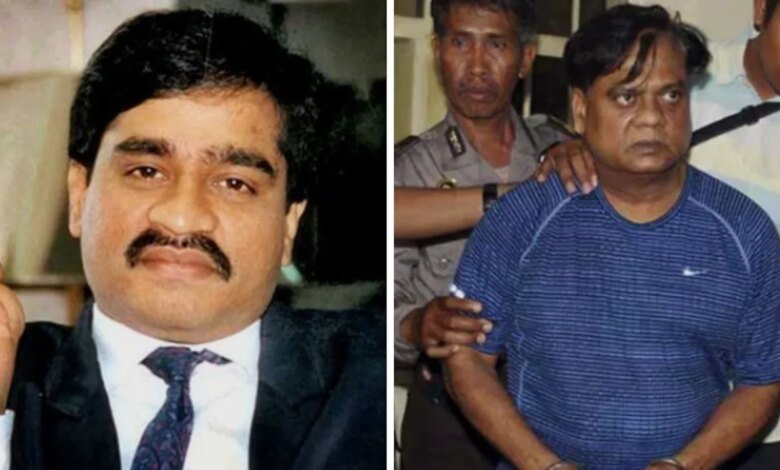
After the split between Dawood and Chhota Rajan in 1994, Babu Shakeel Ahmed aka Chhota Shakeel became the second-in-command in the gang. He hired mostly Muslim youngsters from lower-middle-class localities like Bhindi Bazaar, Dongri, Mazgaon, Nagpada, Agripada, Mahim and so on to carry out hit jobs on the targets. Money and “stylish lifestyle” were the prime motivators for the youngsters who joined Shakeel. Religion was also used to attract youngsters into the gang, as rival Chhota Rajan’s shooters were killing Muslims, accused of the 1993 serial blasts. Firoze Konkani, Munna Jhingada and Feelu Khan were some of the most dangerous hitmen of the D-Company.
Chhota Rajan’s Gang Aka Nana Company
Chhota Rajan mostly recruited his shooters from suburbs like Chembur, Ghatkopar, Kurla and Dharavi. Most of his shooters were Marathi or South Indian youngsters. Although most of his shooters were Hindu, there were a few Muslims as well, like Fareed Tanasha. Money was the prime lure, but youngsters were also motivated on religious and nationalistic grounds.
Chhota Rajan called Dawood Ibrahim a traitor and ordered his shooters to kill those accused who were allegedly part of the 1993 serial blast conspiracy. Ravi Vora aka DK Rao, Satish Thangappan Reddy, Vilas Mane, Sadhu Shetty and so on were considered to be some of the most dreaded hitmen in the Nana Company’s list.
Also read: Students Protest: 5 Lessons Delhi Police Can Learn From Mumbai Police
Arun Gawli Gang Aka Daddy Company
Gawli never went out of India but ran his gang either from his house at Mumbai’s Dagdi Chawl or from jails whenever he was incarcerated. His shooters mostly comprised youngsters from mill-workers’ families. Most of the major mills began shutting down from the mid-eighties, and lakhs of mill workers became jobless. Gawli, who himself was a former mill worker, emerged as a “saviour” for the families who were struggling to make ends meet. He enlisted a large number of their boys as shooters in his gang. In Gawli’s case, money became a secondary consideration for the shooters because Gawli was running his gang like a cult. For the shooters and their families, Gawli was a Robinhood who was fighting against the oppressors. Vijay Tandel, Sharad Bandve, Tanya Koli, Vijay Narkar, Ashok Joshi and Sunil Ghate were some of the big names associated with Gawli who were accused of numerous murders.
Ashwin Naik’s Gang Aka Ravan Company
Ashwin Naik took over the leadership of the gang after his elder brother Amar Naik aka Ravan was killed in a police encounter in 1996. He also ran his gang from jail. Like the Gawli gang, most of his shooters also came from mill workers’ families. Ravindra Phupat, Anil Parab, Janardan Parab, Dashrath Rahane and Shashikant Sagwekar aka Babu Chikna were some of the gang’s main shooters.
Also read: Blog | Salman Khan, Now Rohit Shetty: The Bishnoi Threat Isn’t New For Bollywood
Abu Salem’s Gang
Abdull Qayyum Ansari aka Abu Salem, who earlier worked as a driver for Anees Ibrahim, defected from the D-Company in 1997 and started operating independently. He mostly brought unemployed youngsters with a little or no criminal record from his native place, Azamgarh in Uttar Pradesh, to conduct hit jobs in Mumbai. Most of Salem’s targets were film personalities or builders who refused to pay up after receiving extortion calls from him. Salim Haddi, Deepak Singh, Mehandi Hassan and Abdul Razzak were some of the key shooters of Salem’s gang.
With the surge in killings by the underworld gangs, the Mumbai Police decided to deal with the crisis with an iron fist. Although the gang leaders were safe either at some foreign location or in jail, the shooters were killed in police encounters or jailed under stringent laws like the Maharashtra Control of Organised Crime Act (MCOCA). The Mumbai underworld collapsed because the strong police action deterred new recruitment of shooters. The story of underworld shooters illustrates that to run a criminal gang, shooters are indispensable, but they are expendable as well.