Chandigarh:
Already nursing wounds from Charanjit Singh Channi’s power tussle with Amarinder Singh’s Raja Warring camp, the Congress has devised a scheme to prevent factional battles, especially those triggered by turncoats. Central to the party’s anti-infighting plan is a four-member panel, directed to keep district presidents and Congress leaders in their respective assembly constituencies abreast of recruitments from rival parties.
Bringing leaders from rival parties into the fold is an important strategic manoeuvre in the broader Congress game plan in Punjab. The Congress high command, however, is treading cautiously, attempting to expand its political footprint without triggering another revolt among its own leaders and loyal cadre.
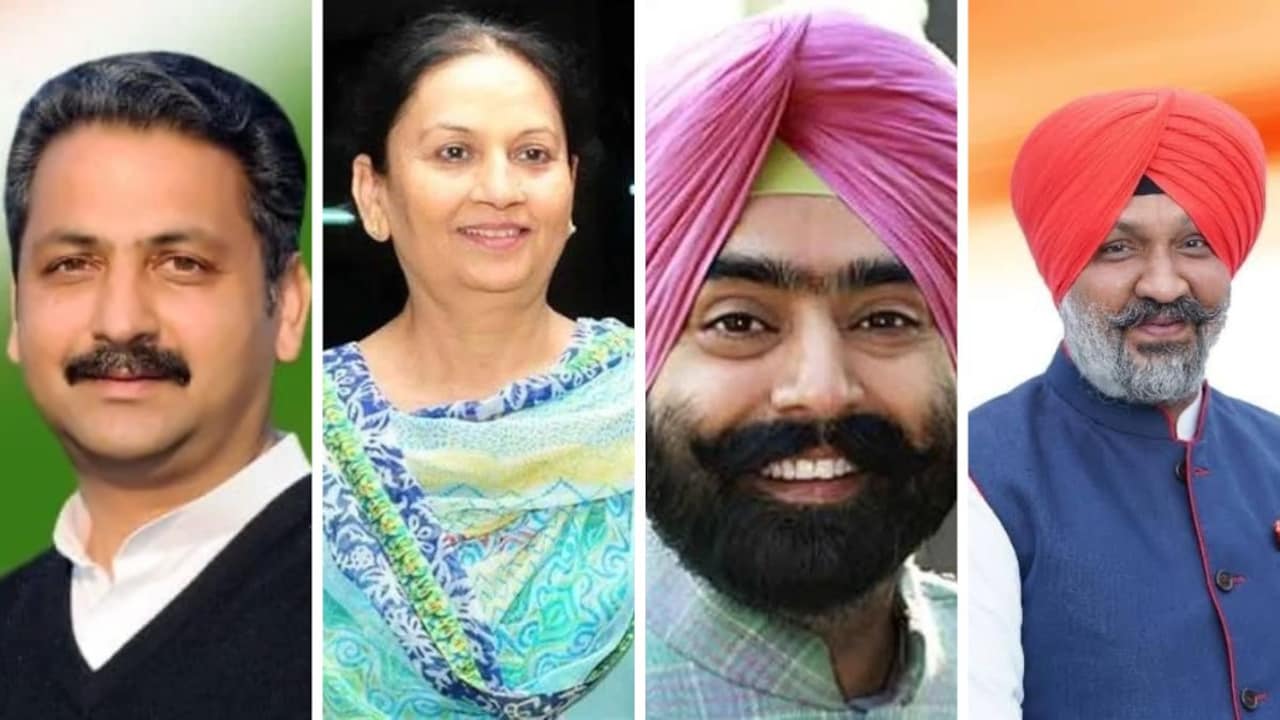
To make the transition for turncoats smooth and to ensure that lateral entries don’t ruffle feathers, the party’s state unit has formed a four-member high-level coordination committee. The panel, formed through an official order issued by Punjab Congress president Pargat Singh, comprises Vijay Inder Singla, CWC member; Aruna Chaudhary, MLA and deputy leader of the Congress Legislature Party; Kushaldeep Singh Dhillon, former MLA; and Hardev Singh Laddi, MLA.
The panel will coordinate and supervise the joining process of leaders willing to leave their respective political parties and join the Congress.
Read: ‘Chain Down, Tyres Punctured’: Charanjit Channi’s Cycle Yatra Runs Into Punjab Congress Disunity
The most politically significant aspect of the order is the mandatory consultation clause. Before inducting any leader from another political party, the committee must consult senior Congress leaders in the assembly constituency concerned as well as the president of the district Congress committee.
The timing of the decision is politically significant. With the 2027 electoral battle expected to witness intense competition for political influence, the Congress appears keen to identify and bring in leaders who can strengthen its prospects across constituencies, particularly those with established political networks and local influence.
For the party, attracting leaders from rival camps could serve multiple purposes: strengthening its organisational machinery, improving its electoral prospects in politically competitive constituencies, and potentially weakening opponents by drawing away their influential faces.
Read: Dismantling Fiefdoms: Inside Congress’s New Strategy For Punjab
However, the strategy carries its own risks. The Punjab Congress has repeatedly witnessed factional confrontations, with competing power centres and disagreements over leadership, political positions and ticket distribution creating internal turbulence. The arrival of ambitious leaders from rival parties could further complicate these equations, especially where existing Congress leaders have been preparing for the next Assembly elections.
The high command appears unwilling to let political expansion become another source of internal rebellion. By making consultation with constituency-level senior leaders and District Congress Committee presidents mandatory, the party is attempting to give its existing cadre a voice in decisions that could directly affect their political future.
The underlying political message is clear: the Congress wants to keep its doors open to potential turncoats, but it also wants to avoid a situation where newcomers are accommodated at the expense of loyal leaders.
Read: Analysis: As Punjab’s Politicians Switch Sides, Where Are Its ‘Spartans’?
Channi versus Warring
Ahead of the 2027 elections, the Congress is already battling factionalism, triggered by the competing leadership ambitions of Channi and Warring. Earlier this year, Bhupesh Baghel was brought into Punjab to manage differences within the Punjab Congress. But as the infighting escalated, Sachin Pilot was called in as Punjab in-charge in September to put out the fire.
Later, Warring stepped down as the state Congress president and was succeeded by Pargat Singh.
Despite the party’s best efforts, the remnants of intra-party rivalry exist, and dangerously so. Recently, Warring was conspicuous by his absence at a Congress campaign event spearheaded by Channi.