Voters classified as permanently shifted account for nearly half of the 13.39 crore entries in the Election Commission’s Special Intensive Revision exercise across three phases — emerging as the single largest category in the draft electoral rolls.
The ECI data shows 6.30 crore such entries, followed by 3.01 crore voters marked absent or untraceable and 2.80 crore entries about those who have died. Another 1.02 crore entries have been identified as duplicates and 26 lakh are under the “others” category.
The figures cover 95.40 crore electors across Bihar and 31 states and Union Territories taken up in the three phases. The Commission has stressed that these are draft-stage figures and should not be treated as the final number of deletions.
The exercise has come under sustained political attack, with
Opposition parties are protesting against the Special Intensive Revision, alleging that it is leading to the exclusion of genuine voters. Opposition leaders have repeatedly demanded that the exercise be stopped and questioned the manner in which names have been flagged, turning SIR into a major political flashpoint.
They have alleged that the exercise risks disenfranchising genuine voters by removing names from electoral rolls. Parties have questioned the basis on which voters are being classified as absent, shifted, dead or duplicated. They have demanded greater transparency in the verification and deletion process.
The protests have intensified as Phase III expands the exercise to more states, with Opposition leaders warning that the burden of proving eligibility could disproportionately affect migrants, the poor and other vulnerable sections.
The ECI, for its part, has maintained that the figures at the draft stage are not final and that the claims-and-objections process is intended to provide safeguards against wrongful exclusion.
The ECI maintains that the exercise is aimed at cleaning up electoral rolls by identifying voters who are no longer traceable, have permanently shifted, are deceased or are registered more than once, while ensuring that every eligible voter is included.
SIR began with Bihar in June 2025 and was subsequently expanded to other parts of the country. Phase II covered 12 States and UTs, while Phase III is now under way in 19 States and UTs, including the national capital.
In Phase III, the ECI’s draft-stage data covers 36.51 crore electors. Of these, 1.52 crore have been classified as absent or untraceable, 2.89 crore as permanently shifted, 1.11 crore as deceased and 51 lakh as duplicate entries.
Across all three phases, the four principal categories – absent or untraceable, permanently shifted, deceased and duplicate – together account for 13.13 crore entries, or 98.06% of all flagged cases.
The Commission has simultaneously stressed that the revision process is not limited to identifying names for exclusion. Eligible voters whose names may have been left out during SIR, along with young and first-time voters, are continuing to be added to the rolls.
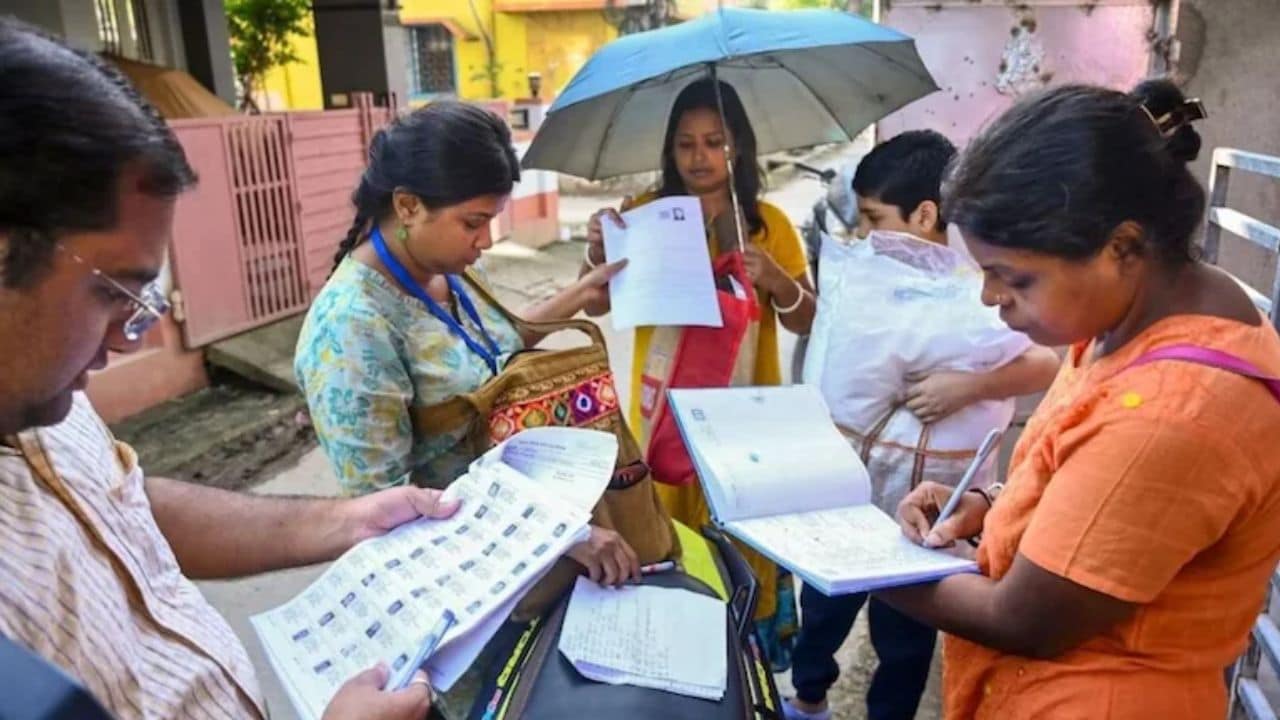
Special drives are also being undertaken to ensure that no eligible voter is left out. Booth Level Officers are conducting house-to-house verification and assisting voters with enumeration and enrolment forms, while the claims and objections process provides an opportunity for those whose names are missing or have been flagged to seek inclusion.
The ECI has also directed election authorities to reach vulnerable groups, including people living in night shelters, labourers, poor and homeless people, through help desks and special camps.