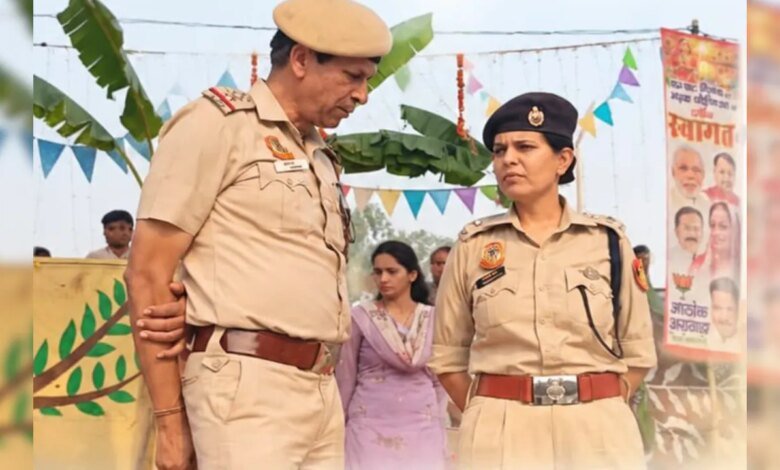
Delhi’s DCP of North West District, Akanksha Yadav, shares her UPSC journey, early career challenges, police responsibilities and advice for civil services aspirants in an exclusive conversation with NDTV.
Clearing the Union Public Service Commission (UPSC) Civil Services Examination requires more than academic preparation. It also demands confidence, clarity of thought and the ability to handle pressure. For IPS officer Akanksha Yadav, the journey to the Indian Police Service came with important lessons, including one she learnt during her first UPSC interview.
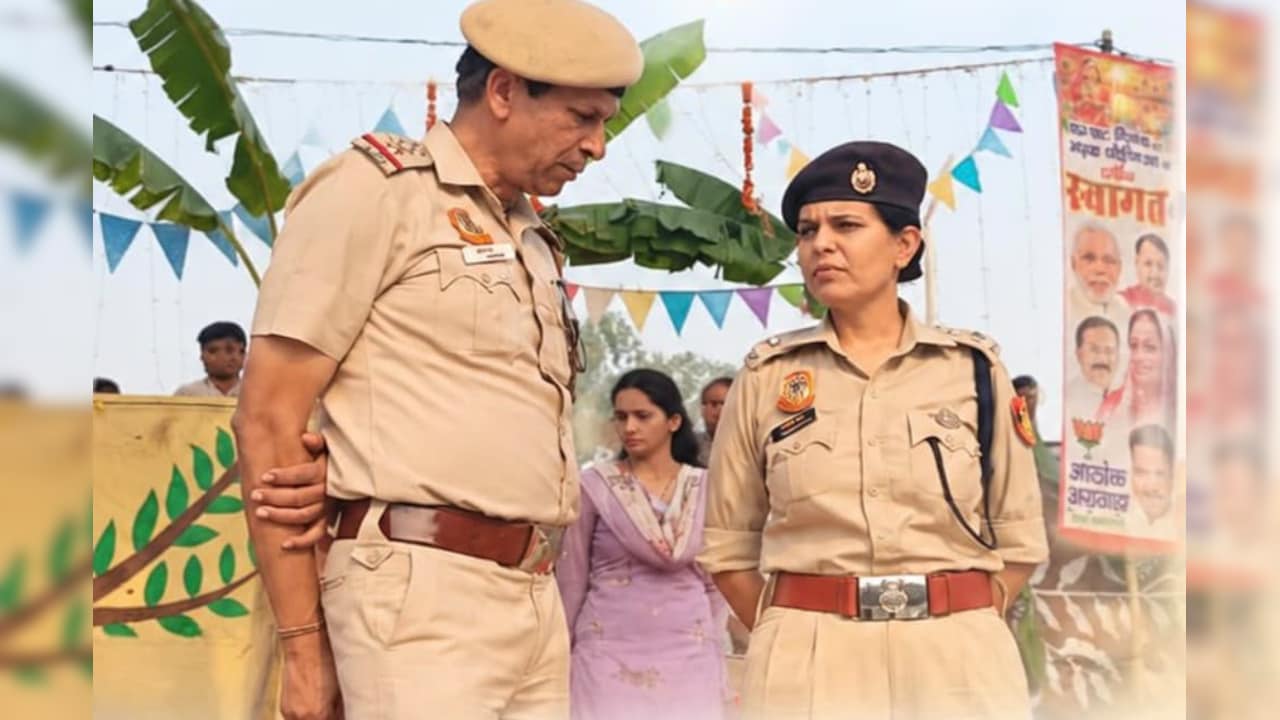
A 2014-batch IPS officer, Yadav is currently serving as the Deputy Commissioner of Police (DCP) of Delhi’s North West district. In an exclusive conversation with NDTV, she spoke about her transition from an MBA graduate to an IPS officer, her experience of preparing for the civil services examination and the challenges of managing police responsibilities.
From MBA To UPSC Preparation
Yadav is from Delhi, where she completed her schooling and graduation. She later pursued an MBA from Symbiosis in Pune. However, instead of taking up a corporate job after completing her management degree, she decided to prepare for the civil services examination.
During this period, she also spent time teaching children from slum settlements.
Sociology was her optional subject for the UPSC examination. She believes studying the subject helped her understand society better, an understanding that continues to be useful in her work as a police officer.
According to Yadav, sociology helps explain how society functions, how different groups are formed and what lies behind various social problems.
She believes police officers often deal with situations that cannot be understood only from the perspective of crime. Social, cultural and other factors also need to be considered while examining an incident.
What Went Wrong In Her First UPSC Interview?
Yadav cleared both the preliminary and mains examinations in her first attempt. However, she did not score as expected in the essay paper.
On reviewing her performance, she realised that her essay lacked the structure and clarity needed to present her ideas effectively. She worked on connecting her thoughts better and improving the way she expressed them in subsequent attempts.
Her first interview also taught her an important lesson.
She recalled feeling nervous while appearing before the interview board. Although the panel members asked relevant questions, she began answering too quickly without taking enough time to organise her thoughts. As a result, her responses lacked clarity.
Her Advice: Pause For Two To Three Seconds Before Answering
Drawing from that experience, Yadav advises UPSC aspirants not to rush into answering questions during the personality test.
She recommends taking a short pause before responding so that candidates can think through their answers and present them in an organised manner.
“When someone asks you a question, take a pause of two to three seconds. Think about your answer first and then start speaking. This will make your response clearer, more structured and more effective,” she said.
From Delhi To Puducherry And Arunachal Pradesh
Over the course of her career, Yadav has served in different parts of the country and handled a range of law-and-order responsibilities.
Her first posting was as an Assistant Commissioner of Police (ACP) in Delhi’s Paschim Vihar. The area included sensitive localities such as Nihal Vihar, which has a large number of slum settlements and frequently reported serious criminal incidents.
She was subsequently posted to Puducherry as Senior Superintendent of Police (SSP), where she served for more than two years.
Her next posting took her to Arunachal Pradesh, where she worked for around four years in areas close to the China and Myanmar borders.
After returning to Delhi, she served as Additional DCP of the South West district. She later took charge of the DCP President Cell before being appointed DCP of the North West district.
What Does A DCP’s Daily Routine Look Like?
Police work does not follow a fixed 9-to-6 schedule. Yadav described the job as demanding, with responsibilities continuing throughout the day and often extending late into the night.
Her day usually begins around 6:30 am with a review of incidents reported overnight, serious crimes and police deployment.
She also takes stock of cases involving theft, robbery and other offences, along with the status of FIRs. Morning meetings with officers focus on reviewing incidents and planning the next course of action.
If similar crimes are reported in different police station areas, officers examine whether the incidents could be linked to the same gang or group. Based on the findings, they work on a specific strategy to address the situation.
The rest of the day involves reviewing files, inspecting police stations, meeting complainants and visiting the field.
Yadav said she does not believe in limiting her work to sitting inside a police station. She makes an effort to meet people, hear their complaints and visit locations to understand problems firsthand.
Her work often continues until 10 or 11 pm, reflecting the 24-hour nature of police responsibilities.
Akanksha Yadav’s Message To UPSC Aspirants
For young people preparing for the civil services examination, Yadav emphasises the importance of dedication and choosing an optional subject based on personal interest rather than following popular choices.
“Choose an optional subject that you genuinely enjoy studying. Work hard, give your best and remain committed to your preparation,” she said.
She also reminded aspirants that not clearing the civil services examination should not be seen as the end of their career or aspirations. According to her, there are several other opportunities for people who want to contribute to society and work for the welfare of others.
“If you want to serve society and people, civil services is a very good option. We need good and talented young people. But if you are not selected, it is not the end of the world. There are many other options and opportunities. Give your best and leave the rest to God,” she said.
(With Inputs Anil Attri)