New Delhi:
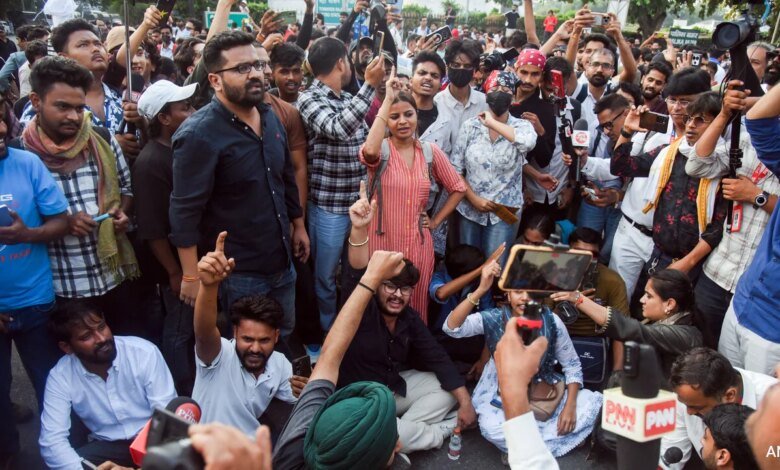
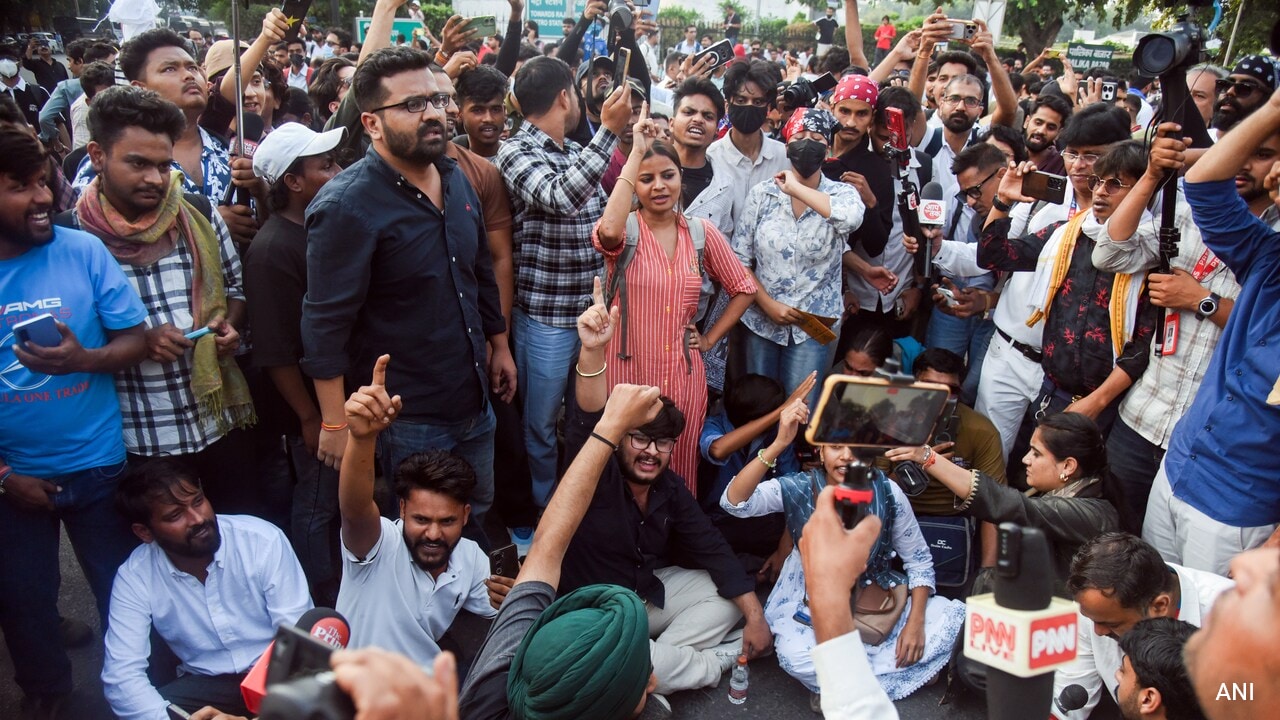
The Supreme Court will hold a special hearing on Sunday on two petitions arising from the police action and restrictions on public transport during the CJP protests in Delhi. One petition calls for contempt proceedings against the government for allegedly violating the court’s directions and the other is a habeas corpus petition challenging the detention of opposition leaders, lawyers and journalists.
A bench comprising Chief Justice Surya Kant and Justices Joymalya Bagchi and V Mohana is scheduled to hear the matters.
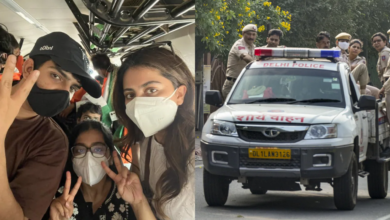
One petition alleges that authorities continued to shut Delhi Metro stations and restrict train services despite the Supreme Court’s direction that public transport should not be brought to a complete halt because of the protests. The second challenges the preventive detention of opposition leaders and seeks their release.
The contempt petition has been filed by advocate Shailendra Mani Tripathi, who has named Union Home Secretary Govind Mohan, Delhi Police Commissioner Anurag Kumar and Delhi Metro Rail Corporation (DMRC) chairperson D Thara as respondents.
The petition alleges that the authorities deliberately disobeyed the Supreme Court’s October 9 order, which directed the Centre to ensure that there was no “complete prohibition” of metro and train services connecting Delhi in view of the protests announced for October 10.
“This brutal assault on the fundamental rights of the citizens and sheer disregard to the orders of this court amounts to deliberate, intentional attempt on the part of Delhi Metro, Delhi Police and the Union government which must be dealt with an iron hand,” the petition said.
The plea, filed through advocate Chand Qureshi, seeks the initiation of contempt proceedings against officials for allegedly failing to comply with the court’s directions.
What Supreme Court Ordered On October 9
The contempt petition refers to an order passed on October 9 while the Supreme Court was hearing a separate plea challenging the closure of 57 metro stations and the cancellation of trains heading to Delhi in anticipation of the protests.
The protests were called by the Cockroach Janta Party (CJP) and several student organisations against Chief Election Commissioner Gyanesh Kumar over alleged irregularities in the functioning of the Election Commission.
During Friday’s hearing, a bench comprising Chief Justice Surya Kant and Justices Joymalya Bagchi and V Mohana directed the Centre to ensure that metro and train services coming into Delhi were not completely suspended on October 10 because of the planned demonstrations.
The court observed that the authorities could not bring all public transport to a halt in response to a protest. The Supreme Court said that such steps should not result in citizens being unduly harassed.
The subsequent contempt petition alleges that the authorities failed to respect the limits set by the court.
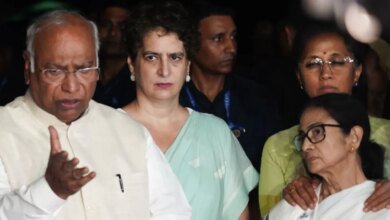
A similar contempt petition has also been filed by senior lawyer and Trinamool Congress Rajya Sabha MP Maneka Guruswamy. The habeas corpus petition questions the legality of the detention of political leaders, including former chief ministers and sitting MPs, and alleges that several people were taken into custody from their homes. It also raises concerns over the detention of lawyers who were protesting peacefully and journalists who were covering the protests.
Guruswamy has argued that preventive detention cannot be used as a means of suppressing the fundamental right to peaceful protest. The petition questions the police action against opposition figures and other protesters, arguing that the detentions were illegal, arbitrary and in violation of freedom of speech.
According to details of the petition accessed by NDTV, the plea seeks directions for the production of West Bengal Chief Minister Mamata Banerjee, Trinamool Congress leaders Derek O’Brien, Saket Gokhale, Dola Sen and Pratima Mondal before the court. It asks the Supreme Court to declare their detention illegal and direct their release.