New Delhi:
Making a passionate argument for not just punishing those guilty of paper leaks but overhauling the system to ensure an entire year of a student’s life does not depend on one examination attempt, Congress MP Shashi Tharoor on Tuesday reminded his Parliament colleagues that an aspirant walking into an exam hall carries the hopes of an entire family with him.
Speaking in the Lok Sabha during the debate on the Public Examinations (Prevention of Unfair Means) Amendment Bill, 2026, which seeks to enhance punishments for paper leaks, the Thiruvananthapuram MP said the ambition must be to prevent such incidents from happening in the first place.
READ | Priyanka Gandhi vs Anurag Thakur Over “Cow Urine Expert” Jab At IIT Professor
“We are here because the system is broken and we must fix it. Every year, millions of Indians sit for examinations like NEET, UGC-Net, JEE. They don’t just carry an admit card into the exam hall, they carry years of hard work, sleepless nights, the hopes of entire families. Behind them are parents who exhaust their savings on coaching and books. Mothers and fathers who actually put their own needs aside so their child can have one more chance. And students who leave the comfort of their homes, often at a very young age, to spend years in unfamiliar cities chasing a single opportunity,” Tharoor said
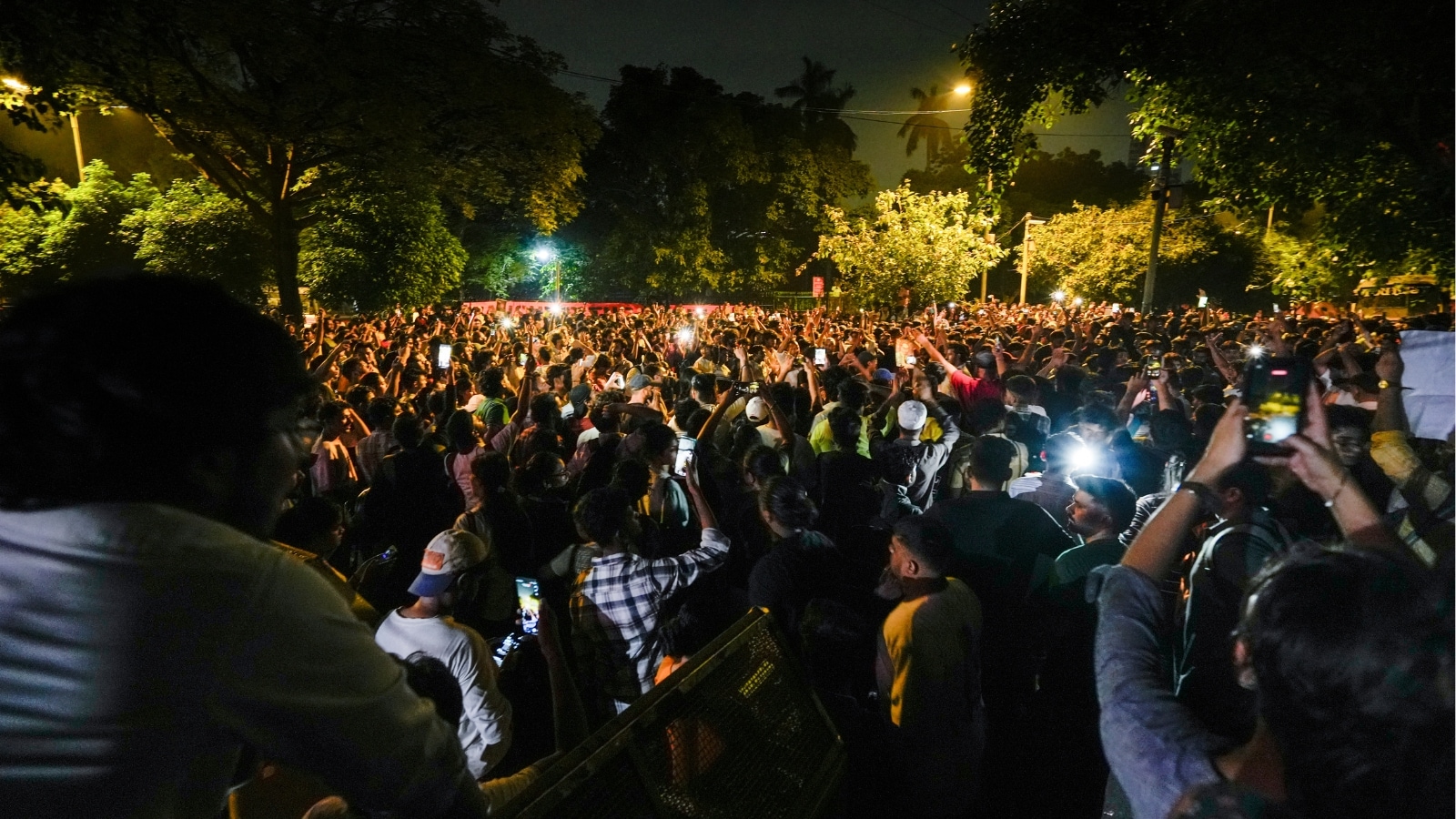
Photo Credit: PTI
“For many families that one examination becomes a locus around which everything revolves – their savings, their sacrifices, their anxieties, their dreams for a better future. All these students are asking is for the government to give them a fair chance and let their performance decide the rest. When a question paper has leaked, therefore, what is stolen is the value of somebody’s hard work. Your bill introduces all sorts of punishments – 10 years imprisonment, Rs 10-crore fines. Fine… but punishment begins after the damage has already been done,” he pointed out.
‘Structural Weakness’
The MP argued that lakhs of students have already suffered by the time a person accused of leaking a NEET paper is punished.
“Every paper leak is not an isolated scandal, it exposes a deeper structural weakness in our examination system. If Parliament is serious about safeguarding the integrity of public examinations, our focus must not be, as this bill is, on punishing failure, but on preventing it,” he stressed.
On the bill’s provisions for fast-track courts and trials within three months, Tharoor questioned whether India’s judicial system has the capacity to deliver.
READ | 2 Days, 2 Warnings: CJP Threatens To Restart Protest If Agitators Face Action
Pressing for a larger systemic change, the MP said, “India has to move away from the single, high-stakes, high-stress examination model, where the future of millions is decided in a few gruelling hours. And one bad traffic jam, one illness, one accident could actually ruin an entire year of a student’s life. Why can’t we be like the SAT or the GRE – entrance examinations conducted through a continuous computer-based testing system, with multiple attempts throughout the year, allowing students to submit their best score for admissions, secure with competitive, computer-adaptive question banks?”
Doing so, he said, could reduce stress, accommodate unforeseen emergencies, strengthen examination integrity, and “eliminate the single-point failures that make paper leaks inevitable”.
Suicides
Tharoor said the system is set up in such a way that over 22 lakh candidates appear for 1.4 lakh medical seats, leading to the rise of coaching centres and a black market for unfair advantage.
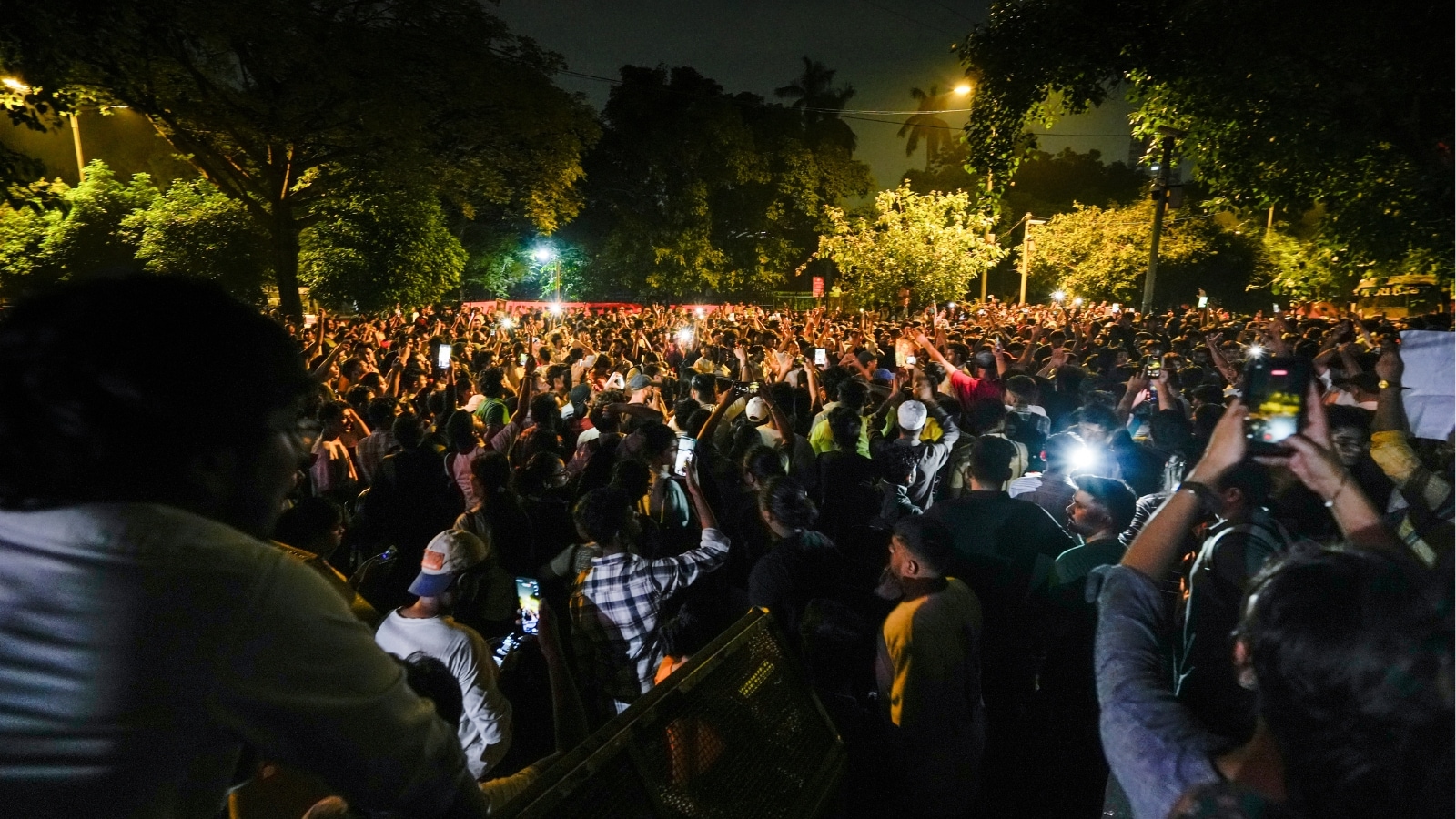
Photo Credit: ANI
“That’s why these leaks are happening, and that’s why student suicides have increased from 8,000 in 2014 to 14,600 today. It is extremely important to understand that these are not just numbers. That was somebody’s child. Those were somebody’s books lying on a table, somebody who came to believe that failing, missing this exam meant failing in life. What do we tell their parents? What do we tell our fellow citizens? We need more quality institutions, more seats, and more pathways to professional education in which one examination does not become a referendum on a young person’s life,” he said.
“The student’s responsibility is to prepare. Our responsibility is to make sure that preparation matters. At its heart, the debate is not about paper leaks. It’s about the credibility of our system itself. We must have a comprehensive transformation. This bill will pass, but it’s not enough,” he remarked.