New Delhi:
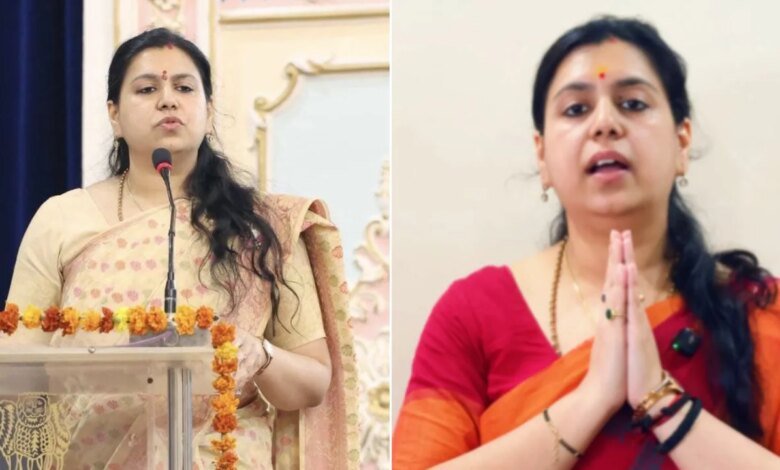
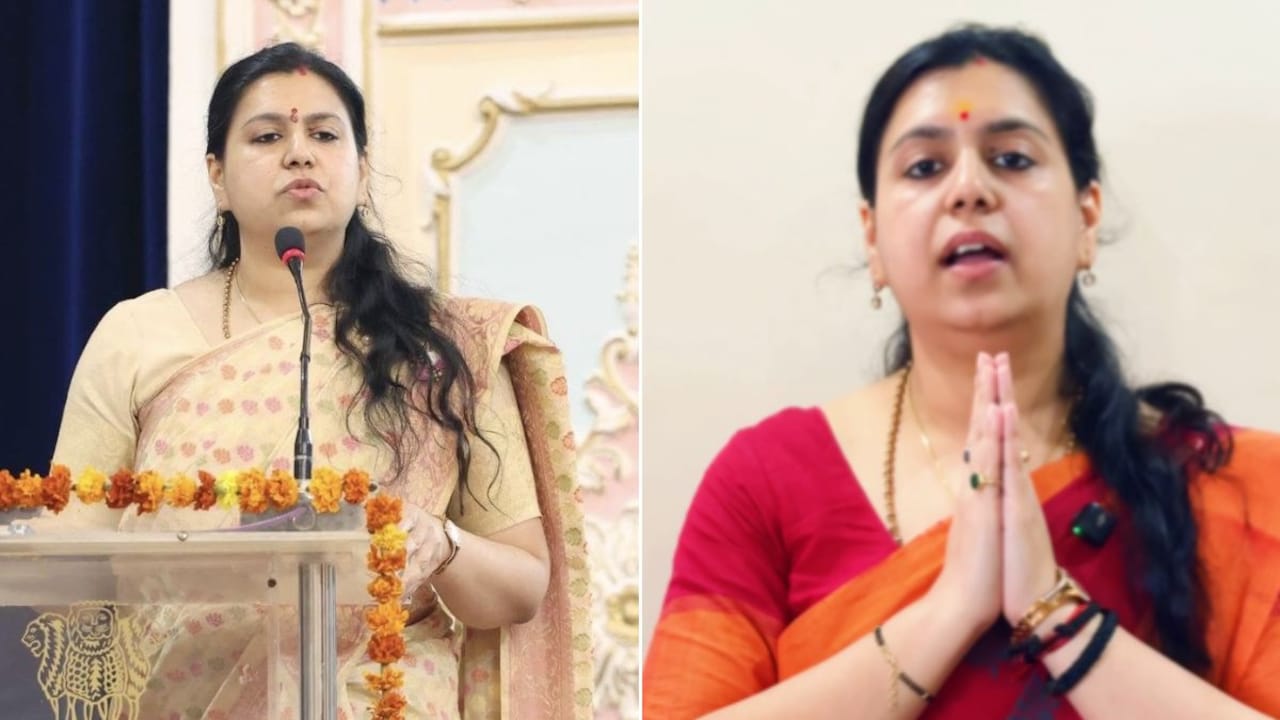
Former Indian Administrative Service (IAS) officer Divya Mittal has announced that her party, Jan Neeti Bharat, will contest the Uttar Pradesh election on all the seats in the assembly.
The UP assembly has 403 seats, so she needs to find that many candidates for her party’s debut contest.
Mittal, who recently took the plunge into politics, made the announcement while addressing people in Mirzapur. She also garlanded a statue of Nishadraj during the event.
“We will field a candidate in Chunar as well,” she said, referring to the seat in Mirzapur. “I seek your support. We intend to field candidates across all 403 seats, wherever we find strong contenders.”
A video of her speech has been shared widely on social media.
The former IAS officer earlier this month announced the formation of her party just weeks after she chose voluntary retirement from service. She has said the party will focus on making people central to policymaking and ensuring that the government remains accountable to them throughout its five-year term and not just on election day.
“Politics rules over you. In Jan Neeti, you will be the ones who rule,” she said on October 15, announcing the party’s name.
Mittal, an alumnus of IIT Delhi, IIM Bengaluru and a former Wall Street trader, resigned from the IAS after a 13-year career before she announced her entry into politics. She said her appeal to people to enter politics received an overwhelming response, with many sending messages to a phone number she shared.
“The problem is not a shortage of parties; the problem is a lack of people being heard. Some people are heard, but not everyone,” Mittal said.
She highlighted that unlike the existing arrangement, in which MLAs often acted as intermediaries between the government and the public, Jan Neeti Bharat representatives will have to remain accountable to citizens.
“Political parties may appear to compete with one another, but agree on keeping decision-making out of the hands of ordinary people,” she said, adding Jan Neeti Bharat lacked the money needed for extensive advertising and will instead rely on a door-to-door campaign, with every household serving as an office and every supporter acting as a campaigner.