Chandigarh:
Sacrilege has long been the albatross around the neck of Punjab’s political parties.
From contributing to the end of Shiromani Akali Dal’s dominance after the 2015 incidents to becoming a recurring electoral litmus test for successive governments, the issue has repeatedly reshaped the state’s political landscape.
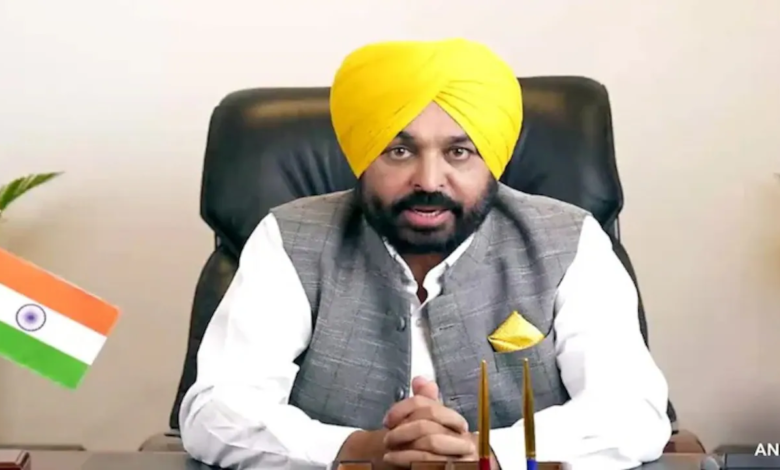
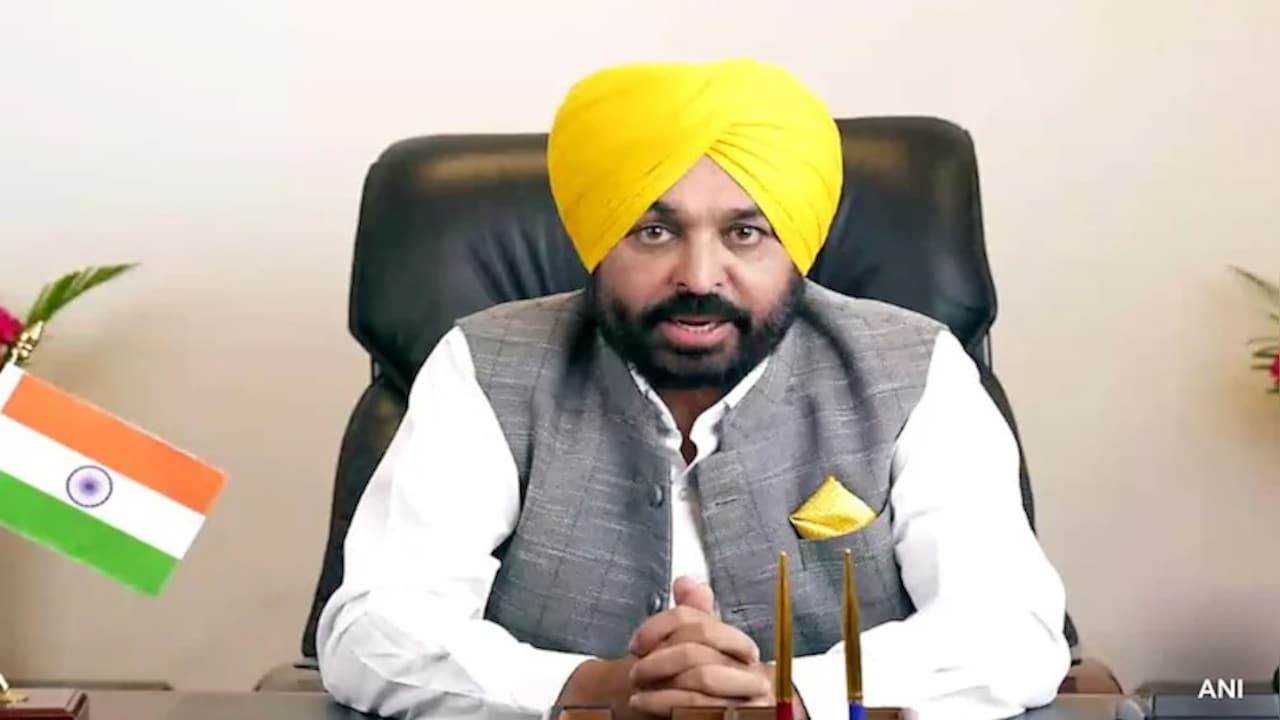
Now, with Sri Akal Takht Sahib rejecting the Bhagwant Mann government’s response to the proposed anti-sacrilege law and issuing unprecedented directions to Sikh MLAs ahead of the Assembly session, the question confronting AAP is whether it has become the latest government to be trapped by an issue that has consumed every ruling dispensation in Punjab.
The latest confrontation has transformed what began as a legislative exercise into a political and religious flashpoint.
By describing the government’s response as “unsatisfactory”, forming its own committee to negotiate amendments and directing Sikh MLAs not to participate in any discussion on the Bill until a consensus is reached, the Akal Takht has significantly raised the political stakes.
Its advice to Sikh legislators to distance themselves from Chief Minister Bhagwant Mann inside the assembly underlines the depth of the standoff.
For the Mann government, the challenge goes beyond defending a piece of legislation.
AAP came to power in 2022 promising justice in sacrilege cases and a decisive break from the perceived failures of previous governments.
The debate has now shifted to whether the government has adequately accommodated the concerns raised by the highest temporal seat of Sikh authority. Even if the government argues that the proposed law must satisfy legal and constitutional requirements, the optics of a public disagreement with the Akal Takht are politically significant in Punjab.
The controversy also comes at a time AAP has broadened its outreach to Hindu voters through initiatives such as “Ek Shaam Shiv Ke Naam” while simultaneously trying to retain its support among Sikh voters.
The party has consistently maintained that its programmes are inclusive and aimed at all communities.
Its opponents, however, are expected to argue that the simultaneous confrontation with the Akal Takht risks creating a perception that the government is losing its footing on one of Punjab’s most emotionally charged issues.
For the opposition, the issue offers fertile political ground. The Shiromani Akali Dal is likely to project itself as the defender of Sikh religious institutions, while the Congress is expected to question the government’s handling of an issue that has dominated Punjab’s politics for over a decade. The BJP, too, is likely to target AAP over its handling of both governance and religious sensitivities.
The immediate political test will come in the assembly session beginning August 3.
With the Akal Takht advising Sikh MLAs not to support any discussion on the proposed law until consensus is reached, the government faces the prospect of an acrimonious debate both inside and outside the House. The session is also expected to be stormy over the alleged paper leak controversy, giving the opposition another opportunity to attack the Mann government on governance while simultaneously keeping the spotlight on the sacrilege row.
Whether the current standoff ultimately becomes an electoral liability for AAP will depend on its ability to rebuild consensus with the Akal Takht and shift the political conversation back to governance.
But Punjab’s political history offers a clear lesson: Sacrilege has rarely remained confined to the legal or religious domain. Time and again, it has altered political narratives, damaged governments and influenced electoral outcomes. As the countdown to the 2027 assembly election begins, the Mann government is discovering that sacrilege remains the one issue no ruling party in Punjab has found easy to leave behind.