New Delhi:
The Centre has revised export duties on petrol, diesel and aviation turbine fuel (ATF) from July 1, while keeping excise duty on petrol and diesel sold in the domestic market unchanged.
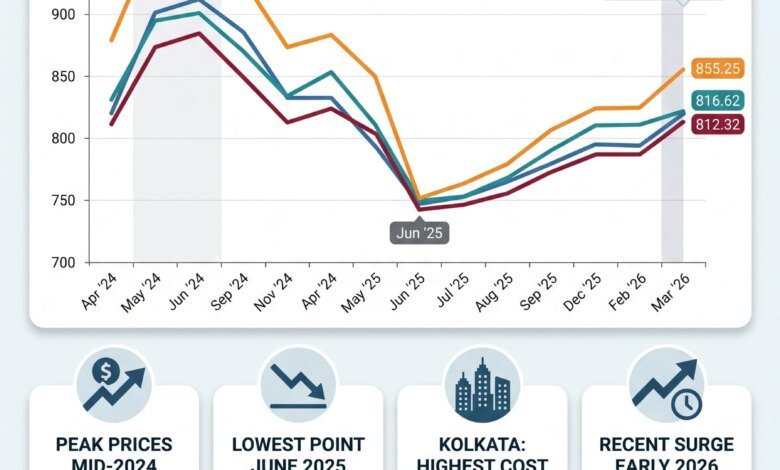
It has also reduced the price of ATF supplied to domestic airlines by Rs 5 per litre. As a result, the effective ATF price now stands at Rs 110 per litre, down from Rs 115 per litre.
On a bulk basis, the price has been lowered to Rs 1.10 lakh per kilolitre from Rs 1.15 lakh per kilolitre, offering some relief to domestic carriers on fuel costs.
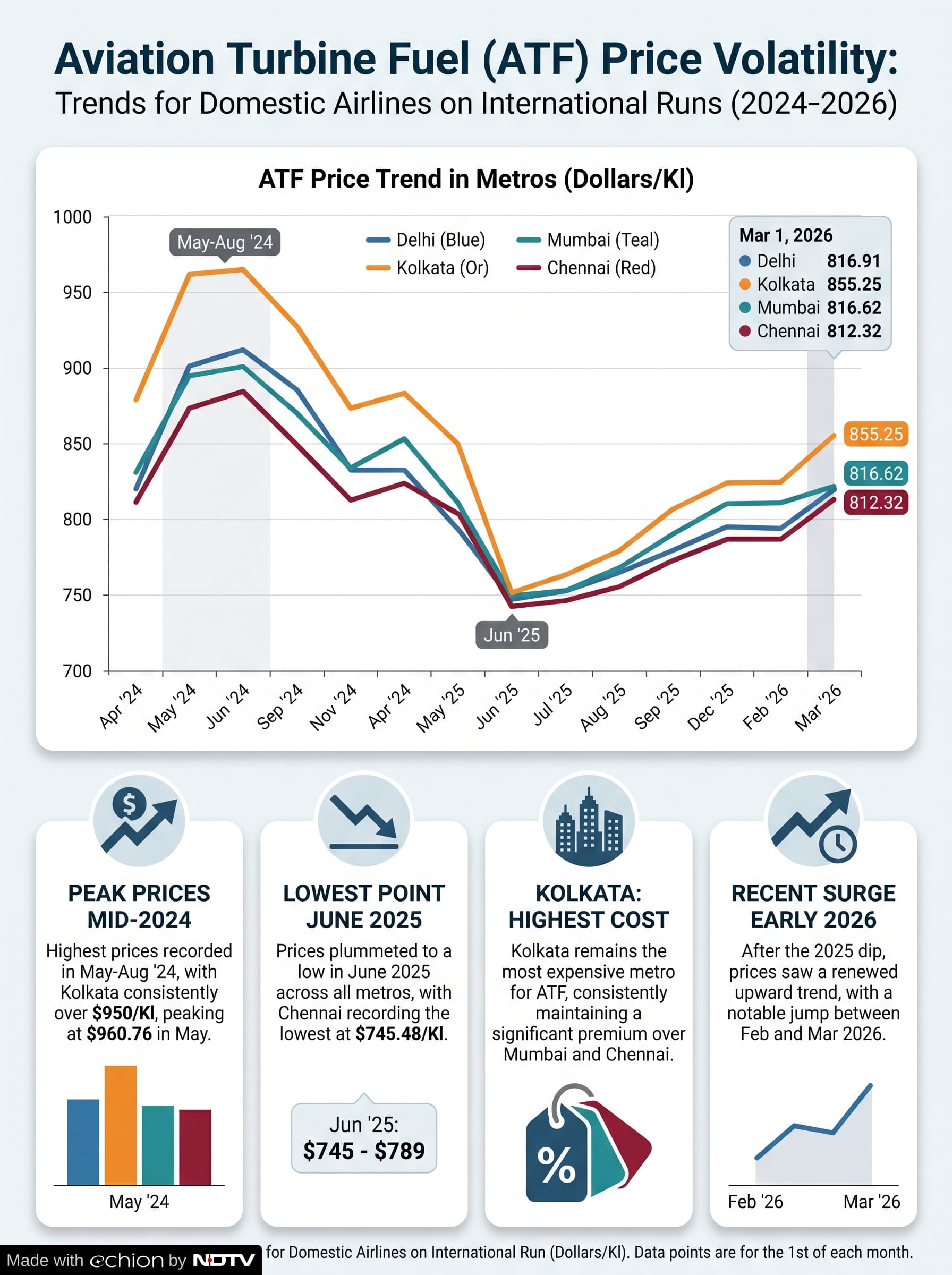
Notably, the government reviews these rates biweekly based on average international prices of crude oil. The last revision took place on June 16.
This is the first reduction since the Middle East crisis led to a spike in jet fuel rates to a record high.
Will It Impact Flight Ticket Prices
Significantly, ATF is the single largest cost component for airlines. It accounts for around 40 per cent of their operating expenses. Changes in jet fuel prices directly affect airline profitability. Hence, a drop in ATF prices can influence airfares.
Amid the Iran War crisis, the government introduced a price stabilisation scheme that allows carriers to lock in fuel rates for up to three years and reduce exposure to global oil price volatility.
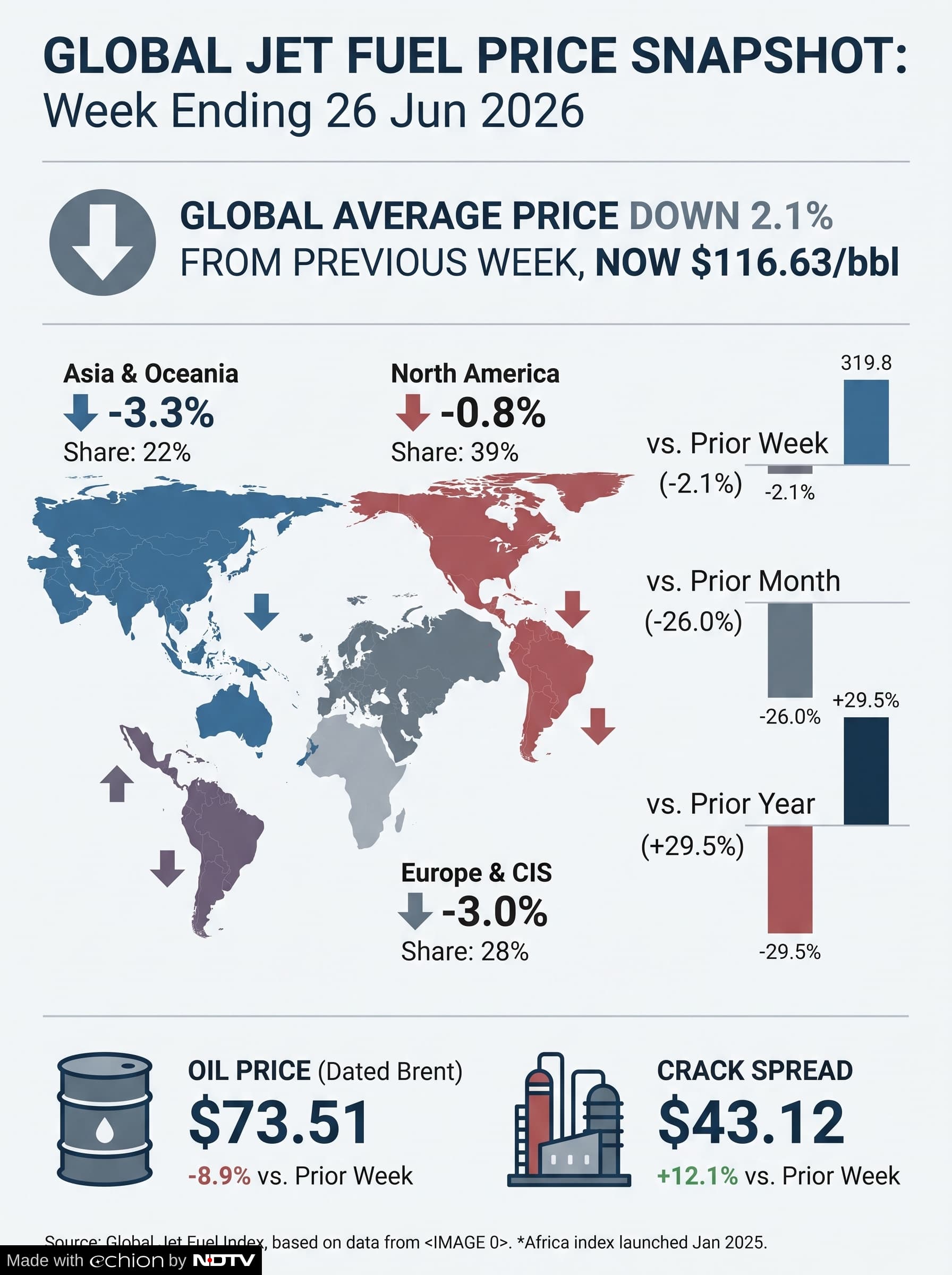
Under the new regime, domestic airlines that opt into the voluntary scheme will pay a fixed ATF price of Rs 115 per litre, up from the earlier Rs 104.927 per litre. Domestic airlines can lock in aviation turbine fuel (ATF) prices for up to three years under the scheme.
Carriers that choose to stay out of the framework will continue to buy fuel at market-linked rates, which are currently around Rs 142 per litre, in line with prices paid by international airlines.