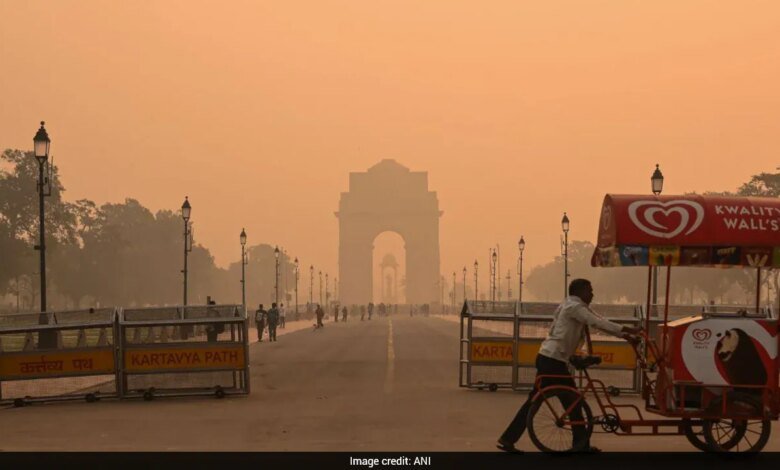
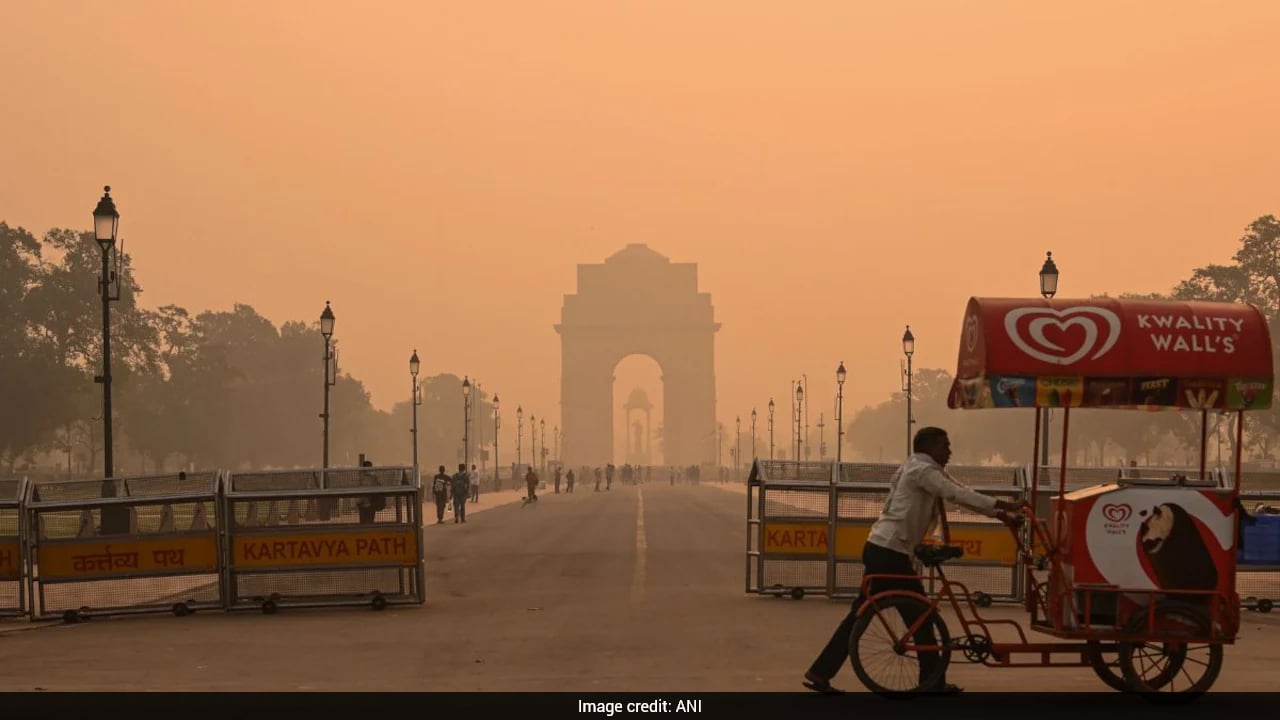
Delhi Pollution: Delhi’s air quality deteriorated sharply on Wednesday, with the AQI settling at 377 in the ‘very poor’ category, edging closer to the severe threshold, as 22 monitoring stations recorded severe pollution levels. As the air quality is expected to deteriorate further in the coming days, the national capital is bracing for worsening pollution with Diwali approaching.
As schools reopen after Diwali, it becomes very important for school administration to set up measures to ensure that the schoolchildren are protected from the bad air around.
What Schools Should Do Now?
Delhi’s Directorate of Education has asked government and private schools to organise special assemblies on November 5 and 6 to sensitise children against bursting firecrackers.
According to a report by the Press Trust of India (PTI), private schools in Delhi are planning to postpone outdoor activities after Diwali, install air purifiers, and place snake plants in classrooms. Schools are also stepping up awareness initiatives to educate students about the harmful effects of air pollution.
Schools have also been asked to organise poster-making, slogan-writing, essay-writing, debates, and drawing competitions to encourage students to spread awareness about environmental protection among their families and communities.
How Schools Can Prepare For A Bad-Air Day
Moving outdoor activity indoors: Suspend morning assemblies, PT, sports practice, and excursions when AQI is poor or worsening; shift them indoors or postpone them.
Improving classroom air: Maintain ventilation systems, use air purifiers where feasible, and avoid activities that generate dust on campus.
Controlling dust: Sprinkle water in open areas, suppress dust around construction or repair work, and avoid biomass or waste burning on school premises.
Protecting vulnerable children: Identify students with asthma, bronchitis, or other respiratory conditions; ensure prescribed inhalers are accessible and parents are informed early.
Preparing for hybrid learning: Keep online lesson plans, attendance systems, and parent communication ready so classes can shift quickly if authorities order hybrid or online mode.
Communicating daily: Share AQI-linked decisions with parents each morning, including changes to outdoor activities, mask advice, and any hybrid arrangements.
The most effective bad-air-day preparation is to cut outdoor exposure, clean up indoor air, protect children with respiratory conditions, and be ready to switch to hybrid learning if AQI deteriorates further.
School authorities and class teachers must advise students to wear masks when exposed to polluted air.