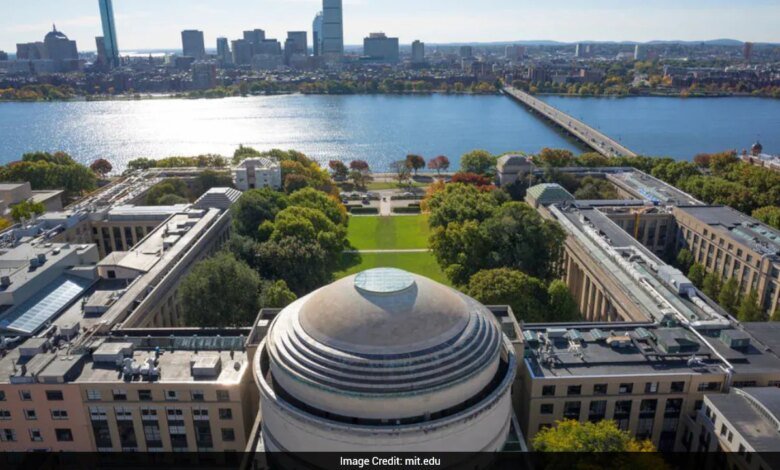
The Massachusetts Institute of Technology (MIT) continues to be one of the most prestigious universities in the world. Known for its excellence in science, technology, engineering, and research, MIT remains a preferred destination for students seeking high-quality education and global career opportunities.
Students explore admission opportunities for the 2026-27 academic year. So understanding the cost of studying at MIT is an important part of the planning process. Here is a detailed look at MIT’s rankings, tuition fees, living expenses, and financial aid provisions.
MIT Tops QS World University Rankings 2026
MIT has secured the first position in the QS World University Rankings 2026 with a perfect overall score of 100. The institute has maintained the top rank globally every year from 2020 to 2026.
The university also recorded strong performances across key subject areas. It ranked first in Engineering and Technology, second in Natural Sciences, and sixth in Social Sciences and Management. In addition, MIT secured the top overall position in the postgraduate category.
The institute received perfect scores in several ranking indicators, including Academic Reputation, Citations per Faculty, Employment Outcomes, Employer Reputation, Faculty-Student Ratio, and International Faculty Ratio.
MIT Fees and Living Expenses for 2026-27
According to MIT’s official cost estimates, the total annual cost of attendance for the 2026-27 academic year is USD 92,760. Check the cost below:
| Expenses Category | Annual Cost |
| Tuition | USD 66,720 |
| Student Life Fee | USD 420 |
| Housing | USD 14, 090 |
| Food | USD 8,104 |
| Books, Course Materials, Supplies and Equipment | USD 930 |
| Personal Expenses | USD 2,496 |
| Total | USD 92,760 |
Based on current exchange rates, the total annual cost is approximately Rs 88 lakh. The estimate includes academic expenses as well as accommodation and day-to-day living costs.
MIT Financial Aid for Students
MIT offers a comprehensive need-based financial aid programme aimed at making education accessible to qualified students regardless of their financial background.
Beginning with the 2025-26 academic year, students from families with annual incomes below $200,000 and typical assets are eligible for tuition-free education at MIT. The university also provides financial aid packages that may help cover other expenses, including housing and meals, depending on individual financial circumstances.
As a result, the actual amount paid by many students can be significantly lower than the published cost of attendance.