New Delhi:
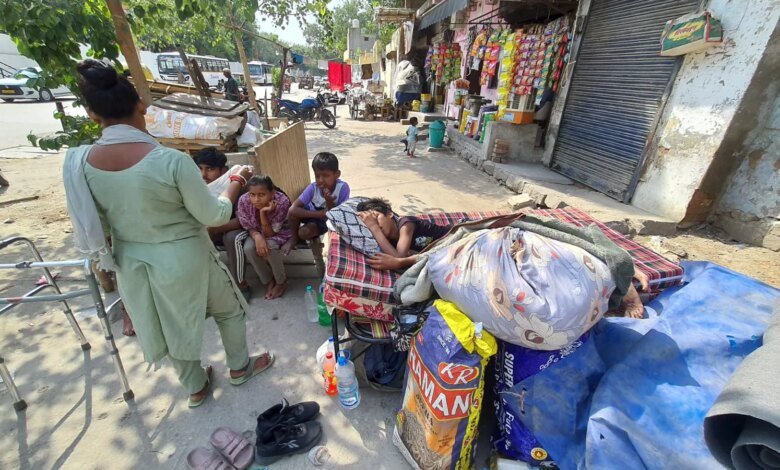
For families who have lived along the Yamuna’s ghats for five or six generations, the demolition of the Yamuna Bazar colony in Delhi has done far more than take away their homes. In a matter of days, it has torn apart everything they knew, their work, their community and their way of life.
Around 310 families are now homeless after the Delhi Development Authority (DDA) carried out a demolition drive in the Yamuna Bazar area. The DDA had classified the settlement as an ‘O-Zone’, a floodplain area along the Yamuna that is protected from construction and managed by the authority. The drive was carried out following directions from the National Green Tribunal.
A notice dated June 23 had said, “The residents of Yamuna Bazaar Ghat No 2 to 32 are informed that as per the directions given by the National Green Tribunal to the Delhi Development Authority, the floodplain area of River Yamuna falling under the jurisdiction of DDA is to be freed from all types of encroachments.”
But for those now sleeping under open skies, the legal reasoning offers little comfort.
Generations Tied To The Ghats
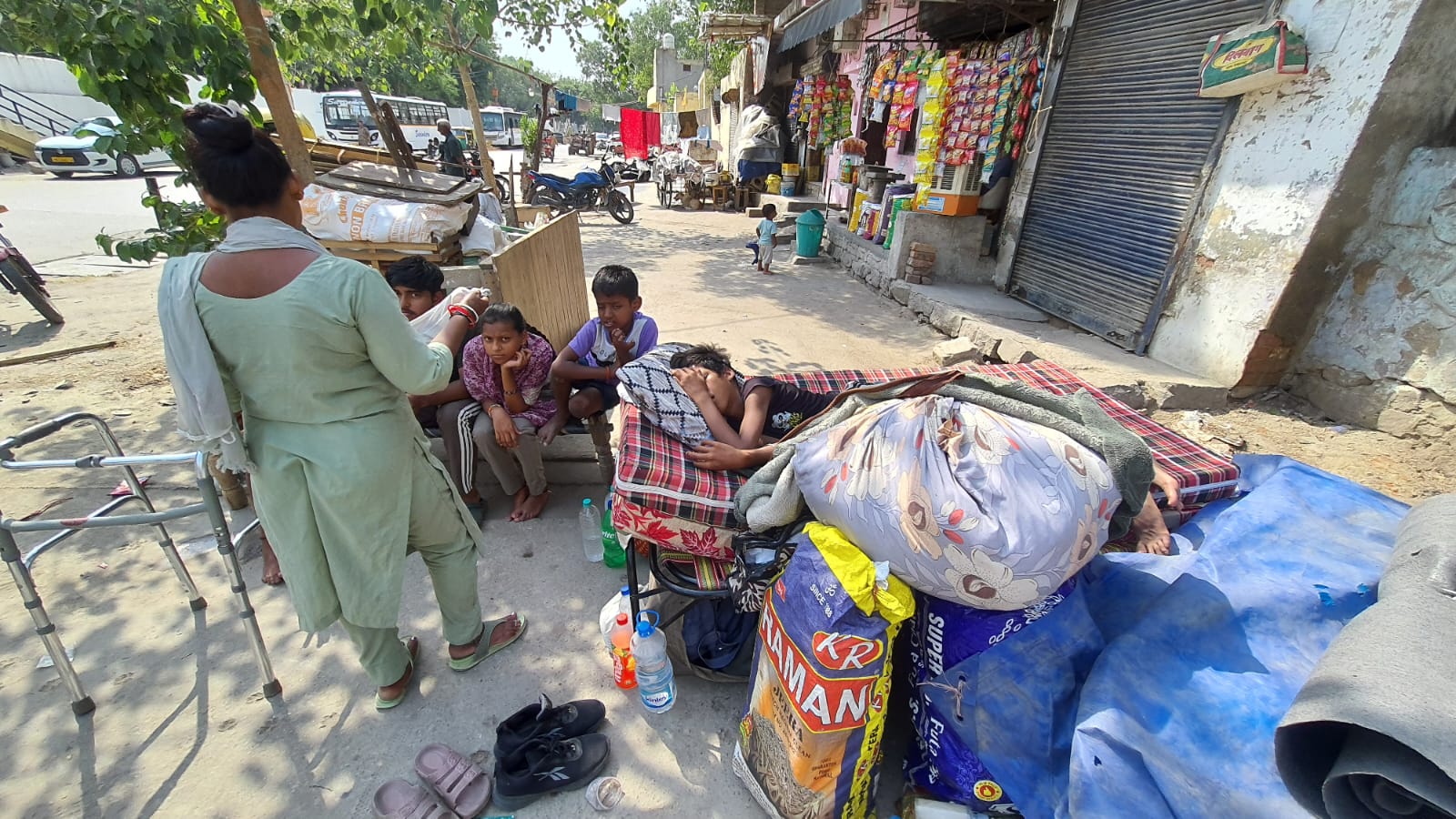
Most of the displaced families are priests, boatmen and barbers, with some making flower garlands for worshippers. Many came originally from Bihar and Uttar Pradesh, and several are now in their fifth or sixth generation at these ghats. Their work was not something they could simply pick up and move. It was rooted in the Jajmani system, a centuries-old arrangement in which service providers and the families they served were bound to one another across generations at a specific place.
Gauri Shankar, a resident of Ghat No. 24, said his family had been performing priestly duties at this site since the British era. He fears the ghats will now go quiet, with no priests, boatmen or barbers left for those who come to carry out their rituals.
‘We Built This Home With Our Own Hands’
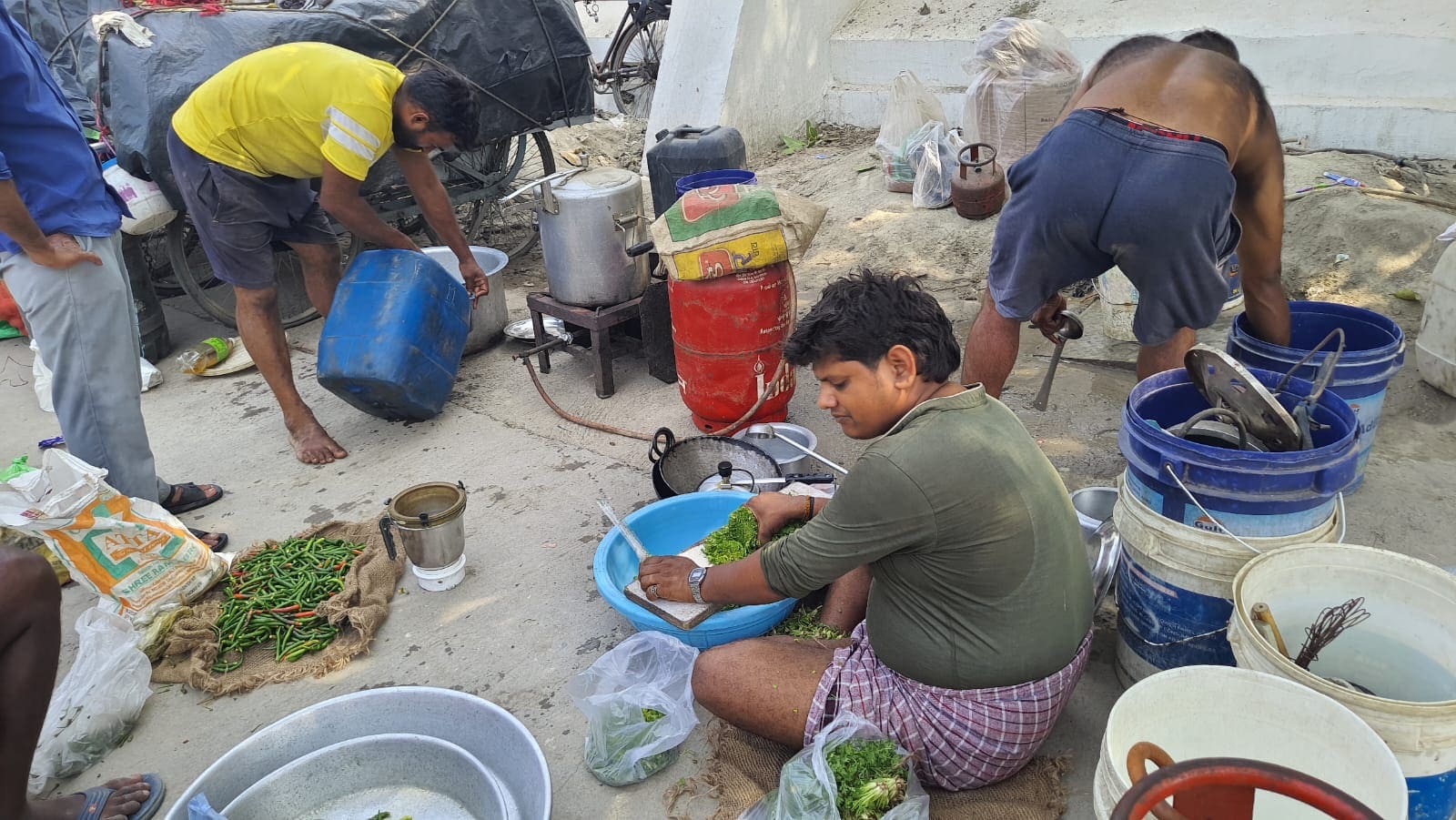
Many residents say the pain is not only about losing their homes, but about how it was done. They say they were not given enough time to collect their belongings before the demolition began.
Manish, from the barber community, told NDTV, “We won’t go around begging, Sir. We have been living here since 2005, and we built this home with immense hard work, only to see it destroyed today. What a government this is, it takes someone living in a home and leaves them out on the street in a matter of days.”
Ganesh Pandit, who grew up on the ghats, described what the place meant to him and to the pilgrims who came from far away. “I lived on these very ghats from childhood through adulthood. My entire education took place here. People come from Haryana and far-flung places, and we are the ones who have recorded their ancestors’ names generation after generation. Today, we have been evicted. We are permitted only to perform rituals. Where are we supposed to find a rented home now?” he told NDTV.
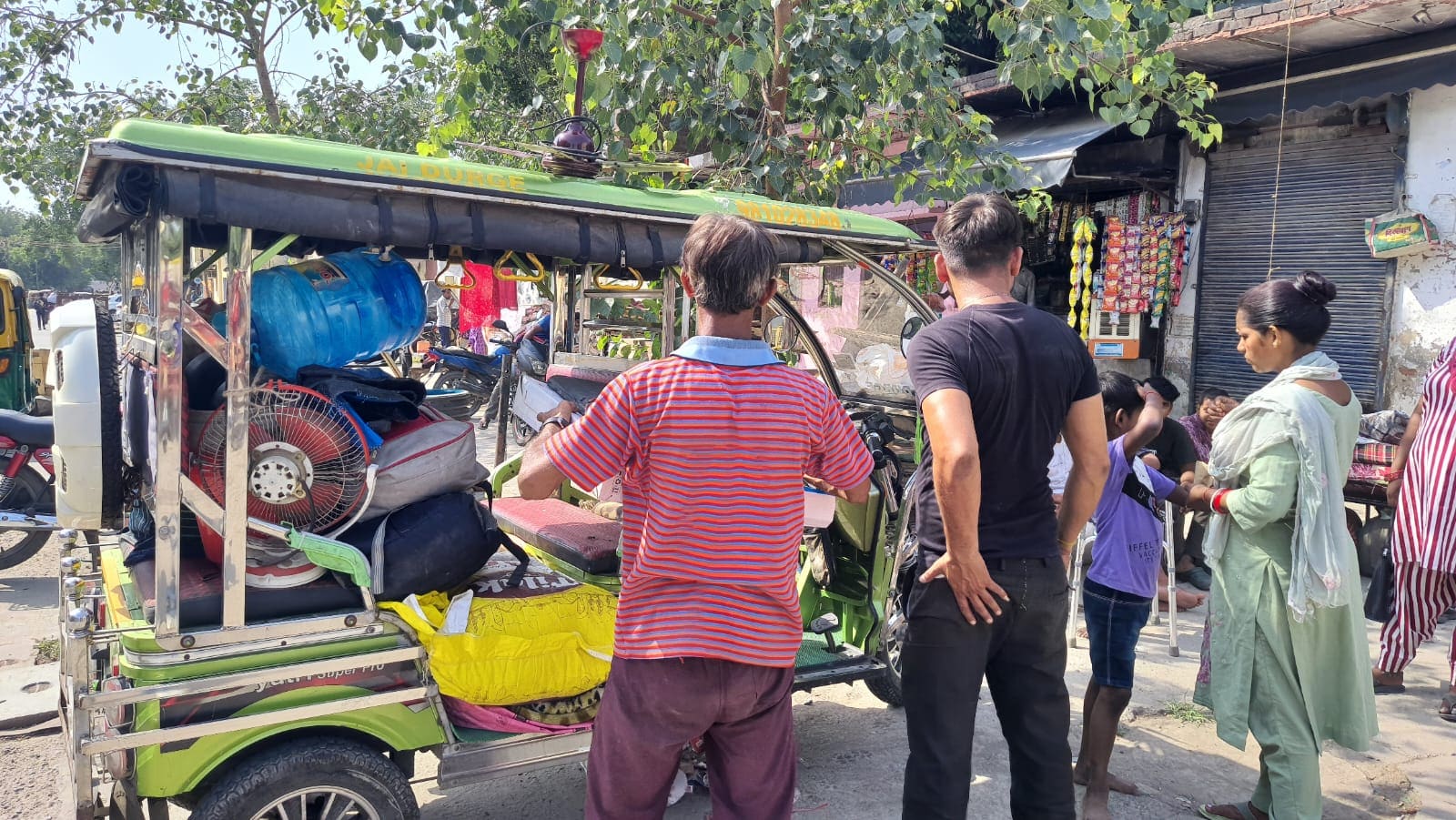
Among those most visibly affected are the elderly residents, some in their seventies and eighties, who spent their whole lives at these ghats. Liladhar and Prabhu Dayal were seen loading the little they had left onto rickshaws, with no clear answer to where they would go next.
No alternative housing or rehabilitation has been arranged for any of the displaced families, including the elderly and young children, who are now out in the open as summer heat and rain bear down on the city.
A 1905 Document, Still No Protection
Rajrani, a 66-year-old woman living in a local temple, said she held documents dating back to 1905, yet was still left without shelter. She added that the administration had told people not to offer refuge to those who had been evicted. Even so, on the occasion of Nirjala Ekadashi, she fed hungry and thirsty children and families, saying it was simply the right thing to do.
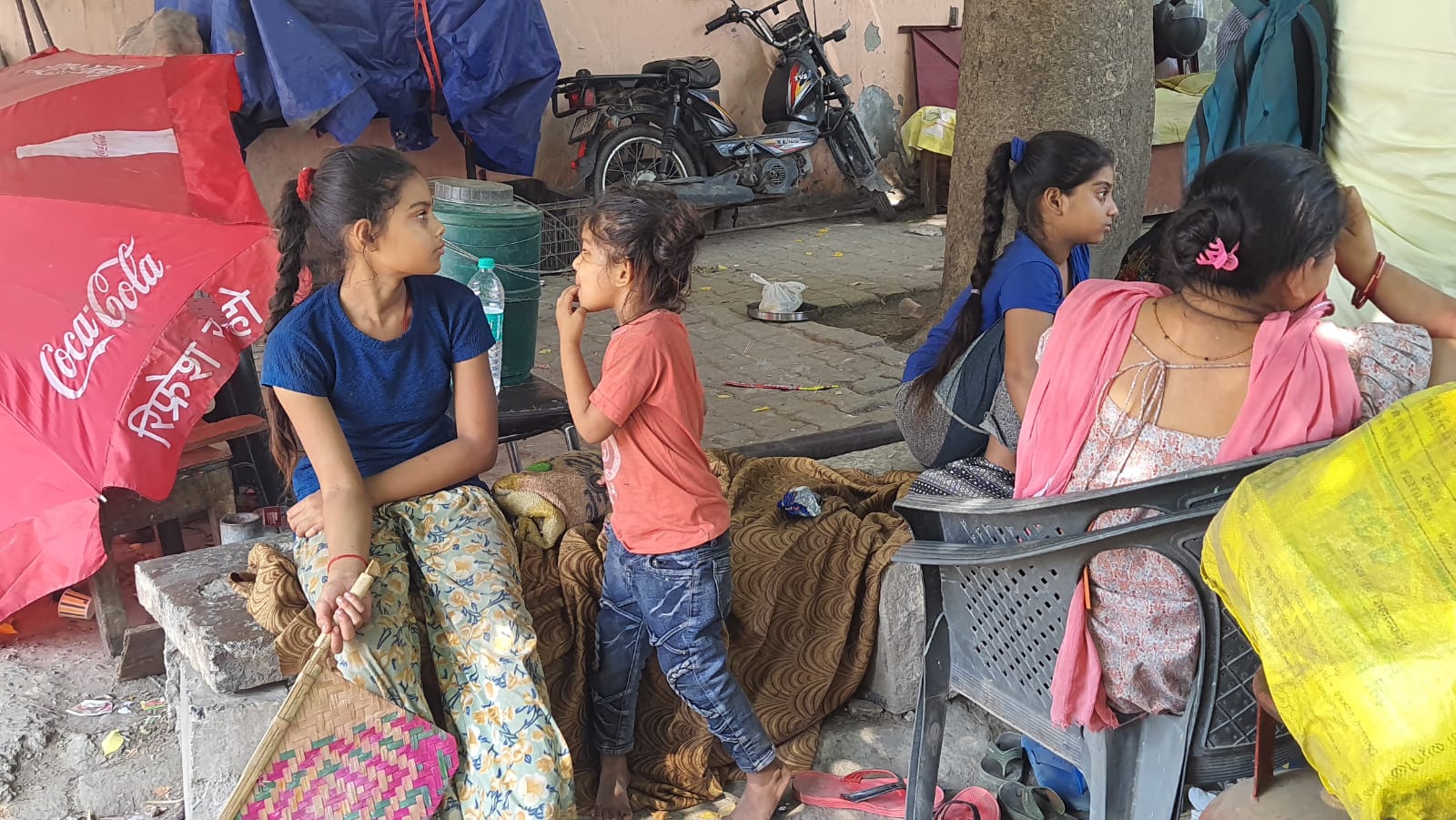
The legal grounds for the demolition, based on floodplain protection rules and the tribunal’s orders, are clear enough. Settlements in flood-prone areas do pose real dangers. But those who have been pushed out point to a painful irony — every time the Yamuna rose and flooded, they were the first to go under. And now, when the authorities moved in, they were again the first to be left with nothing.
Starting over in a new part of the city is not straightforward for people whose entire working lives depended on a particular ghat and the people who visited it.
For now, those still on the street have one question for Delhi’s authorities: ‘Where do we go, and how do we start again?’
(With inputs from Hari Sharma)