In the cult gangster film Satya, there is a telling exchange between Police Commissioner Amod Shukla (played by Paresh Rawal) and the Chief Minister. A frustrated Shukla tells the CM: “Hota kya hai, hum unhe arrest karte hain aur vo chhoot jaate hain. Agar pakde gaye to jail ke andar baithe-baithe operate karenge aur bhaag gaye to desh ke bahar baith ke operate karenge… aur hum kuch nahi kar sakte.“
(What happens is that we arrest them, but they get released. Even if they are caught, they continue operating from inside jail. And if they escape, they operate from abroad… and we can do nothing.)
The dialogue captures the frustration and helplessness of law enforcement agencies in dealing with gangsters who continue to run their criminal networks from behind bars.
Advertisement – Scroll to continue
From a law enforcement agency’s perspective, prison is meant to restrain, reform and punish criminals. But for some underworld gangs, incarceration can serve an entirely different purpose. Jail can become a safe haven from enemies, a recruitment ground for fresh gang members and, in some cases, a command centre for criminal operations.
Read | ‘Still In Shock’: What Tiger Shroff Told Cops On Assassination Bid
The alleged role of the Bishnoi gang in the recent firing incident involving actor Tiger Shroff is another example of how putting a gangster behind bars does not necessarily prevent him from executing plans outside. Both Lawrence Bishnoi and his brother Anmol are incarcerated in different prisons, yet they have been accused of ordering some of the major shootouts in Mumbai over the past three years.
Advertisement – Scroll to continue
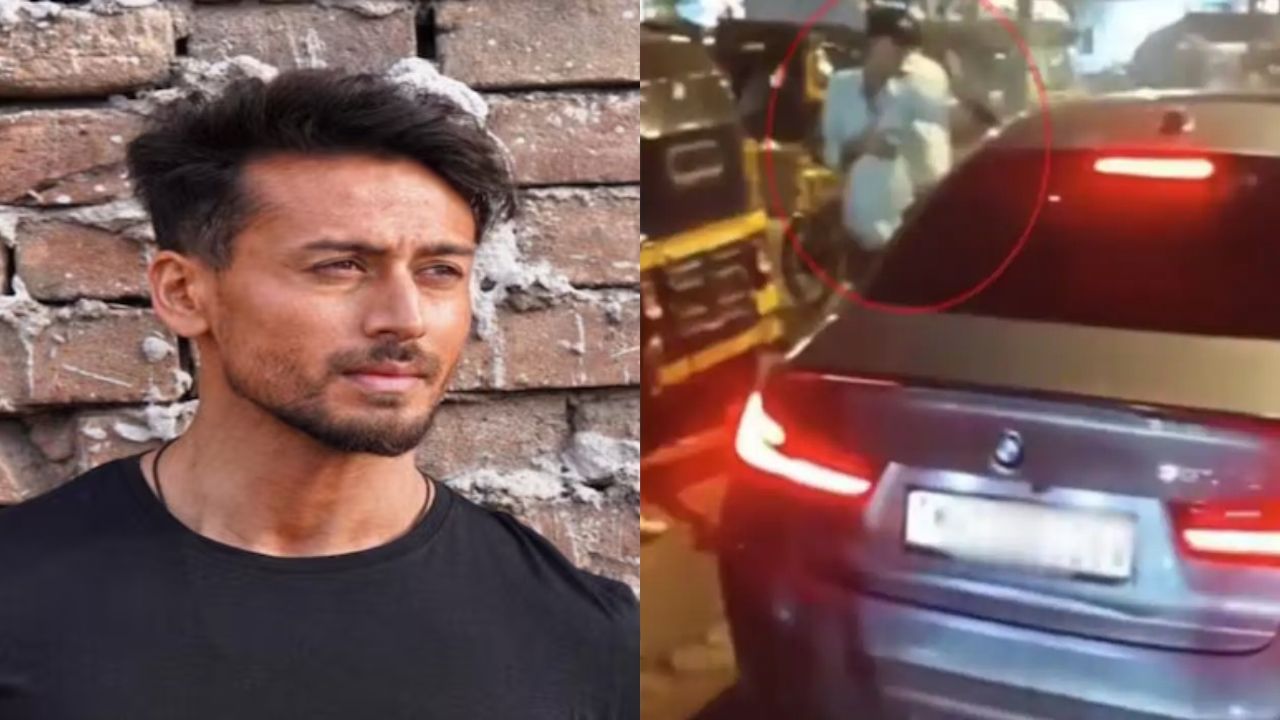
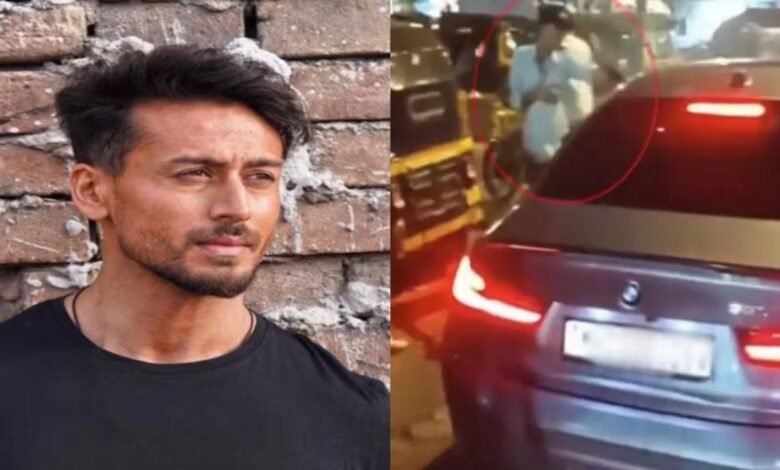
Tiger Shroff was attacked allegedly by shooters of Lawrence Bishnoi gang
Photo Credit: NDTV Photo
Lawrence Bishnoi is lodged in Gujarat’s Sabarmati Central Jail, while his brother Anmol is imprisoned in Delhi’s Tihar Jail. Both have remained beyond the reach of investigating agencies seeking their custody because of restrictions imposed by the Union Home Ministry.
However, the Bishnoi brothers are hardly the first gangsters to be accused of orchestrating attacks from behind prison walls. Mumbai’s underworld has a long history of gang leaders running their operations from jail.
During the 1990s and the early years of the 21st century, while Dawood Ibrahim, Chhota Rajan and Abu Salem ordered hits in Mumbai from foreign countries, gangsters such as Arun Gawli and Ashwin Naik continued to operate from Indian prisons.
Read | GST Data To Gunshots: Inside Lawrence Bishnoi Gang’s Digital Extortion Empire
From jails in Mumbai, Pune, Thane and Nashik, they allegedly recruited shooters, issued instructions to extort money and ordered killings. Naik was even accused of ordering the murder of his wife, Neeta Naik, while he was in jail, after suspecting her of having an affair with a policeman. However, the police could not establish the charge in court, and Naik was acquitted in the case.
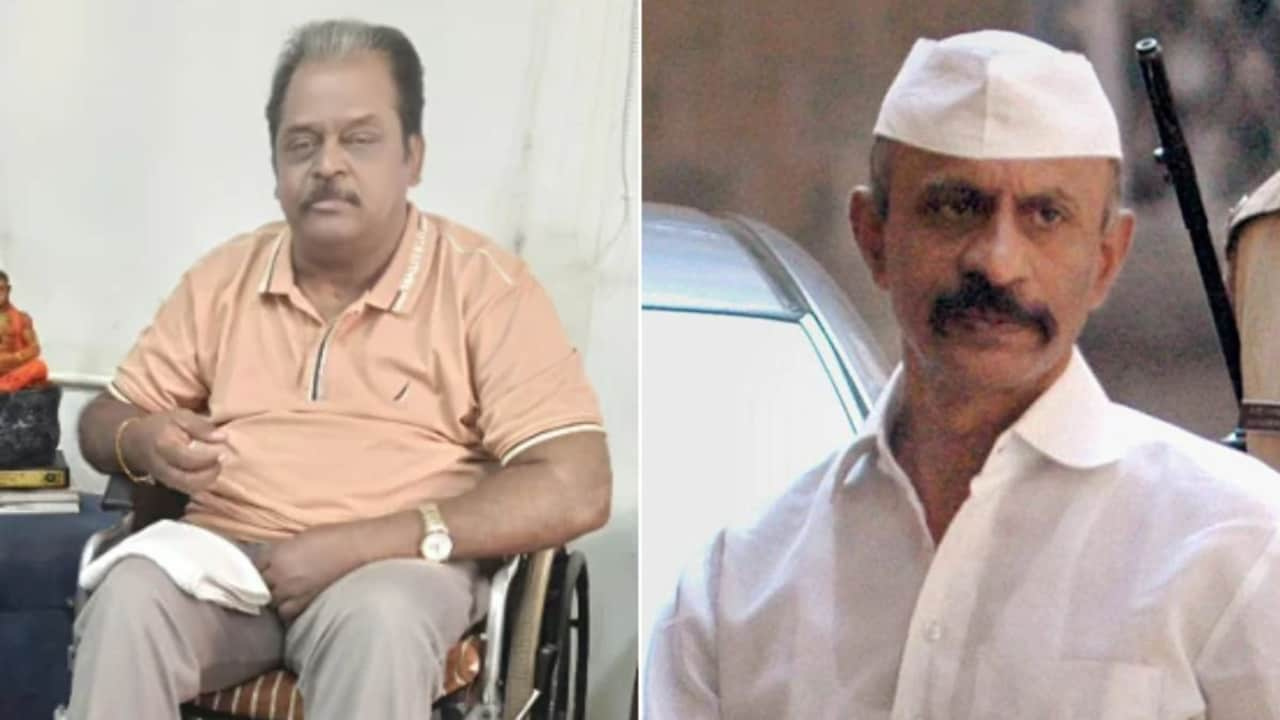
Gangsters Ashwin Naik and Arun Gawli were known to order hits from inside jail
Photo Credit: NDTV Photo
Arun Gawli, too, was accused of orchestrating the murder of Jayant Jadhav, a confidante of Shiv Sena supremo Bal Thackeray, while he was behind bars. Jadhav had reportedly played a role in getting Gawli transferred from one prison to another. Allegedly angered by the transfer, Gawli ordered his killing.
Corruption has traditionally played a major role in enabling gangs to operate from inside prisons. Almost every major gang had a network within the prison system, with members liaising with corrupt jail personnel. Bribes and gifts were allegedly used to secure special comforts for incarcerated gang members and facilitate communication between gang leaders and their associates outside.
Gang leaders also conveyed instructions through meetings with their lawyers and other individuals legally permitted to visit them. Inmates who secured bail, were acquitted, completed their sentences or were taken out for court hearings could also serve as carriers of messages to other gang members.
Smuggled mobile phones made this communication even easier, connecting mafia dons with gang members, extortion targets and even the media.
In March 2023, Lawrence Bishnoi gave two interviews to a Hindi news channel despite being in custody. He gave the first interview while in Punjab Police custody and the second while lodged in Jaipur Central Jail. In mid-2024, a video surfaced on social media showing him wishing Eid to Pakistani gangster Shezad Bhatti over a video call from Sabarmati Jail.
Lawrence Bishnoi gang
Photo Credit: AI Image
That same year, an inmate named Hashim Baba reportedly told the police that Bishnoi had access to a mobile phone and could communicate with the outside world.
In Maharashtra, jail officer Swati Sathe, known for her integrity, had conducted raids in several prisons and recovered mobile phones from inmates.
Beyond corruption, there is another controversial dimension to how certain inmates allegedly enjoy access to mobile phones and other privileges: their purported links with state intelligence agencies.
There have been allegations that some gangsters are treated as ‘assets’ by intelligence agencies because their networks can be used to target rival groups or enemy operatives. In return, they may allegedly receive protection, security and other privileges inside prison. Such arrangements, if established, raise serious questions about the blurring of lines between intelligence operations and the enforcement of criminal law.
As far as the Tiger Shroff firing case is concerned, Mumbai Police is expected to make efforts to secure Anmol Bishnoi’s custody from Tihar Jail. Previous attempts to obtain his brother Lawrence’s custody from Sabarmati Jail have proved unsuccessful. Mumbai Police had written to the Ministry of Home Affairs seeking permission, but its efforts did not yield the desired result.