New Delhi:
July 18, 2026, will always be remembered as the day the first privately developed rocket successfully attempted an orbital mission. Exactly 46 years earlier, on July 18, 1980, India’s first indigenously developed satellite launch vehicle, the SLV-3, placed the Rohini (RS-1) satellite into low-Earth orbit, making the country a member of an elite space club.
NDTV discussed this with Pawan Kumar Chandana, the CEO of Skyroot, after his company created history with the Vikram-1 launch on Saturday.
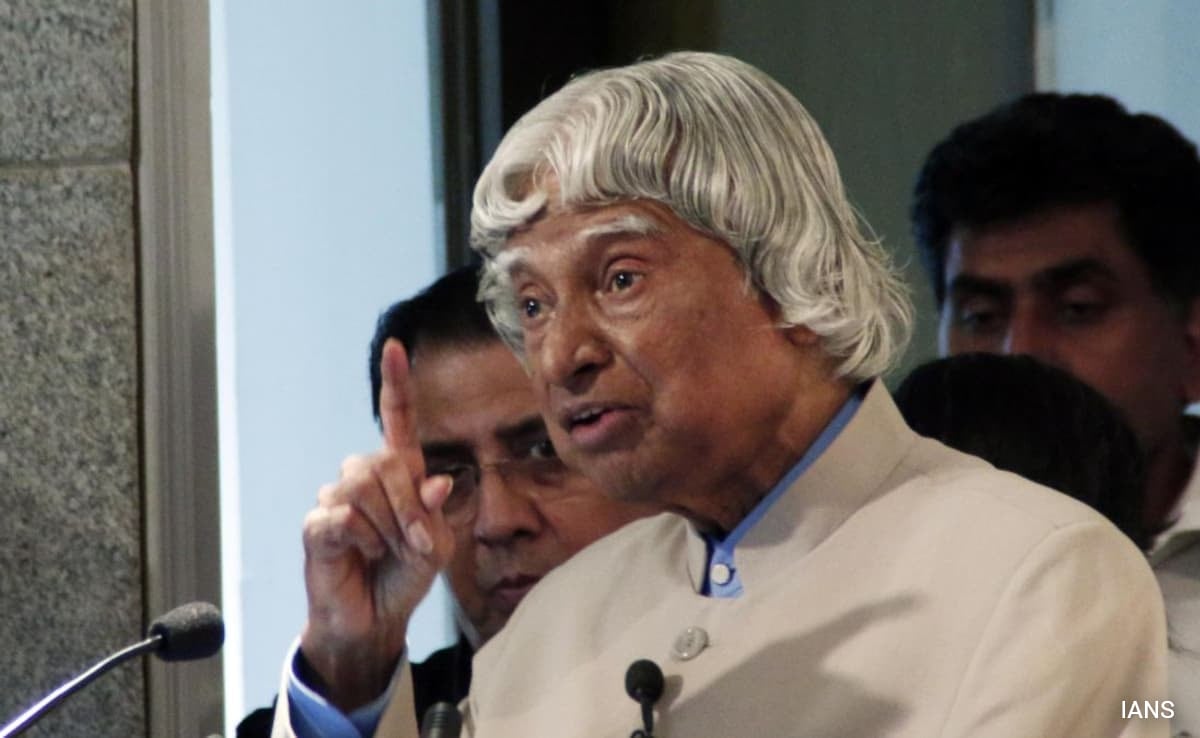
And the links to the epic success of the SLV-3 don’t end there. The project director for SLV-3 was Dr APJ Abdul Kalam and Skyroot has paid homage to the scientist and former president in multiple ways through Vikram-1. Not only are the three solid stages of the rocket – Kalam-1200, Kalam-250 and Kalam-100 – named after the scientist, but Vikram-1 also carried a micro-sculpture of Dr Kalam into space.
READ | Hello Space, Vikram-1 Has Arrived: Skyroot Scripts India’s Historic Rocket Mission
“We have always been celebrating great scientists who have built India’s scientific story and Dr Abdul Kalam is a great inspiration for all of us. The first three stages of the Vikram-1 rocket are named after him and we have also sent a micro-sculpture of Dr Kalam, sculpted over several months, in the eye of a needle… I felt it is such a great coincidence that the first successful flight of the SLV-3 happened on the same day, July 18, as the Vikram-1 launch,” Chandana told NDTV.
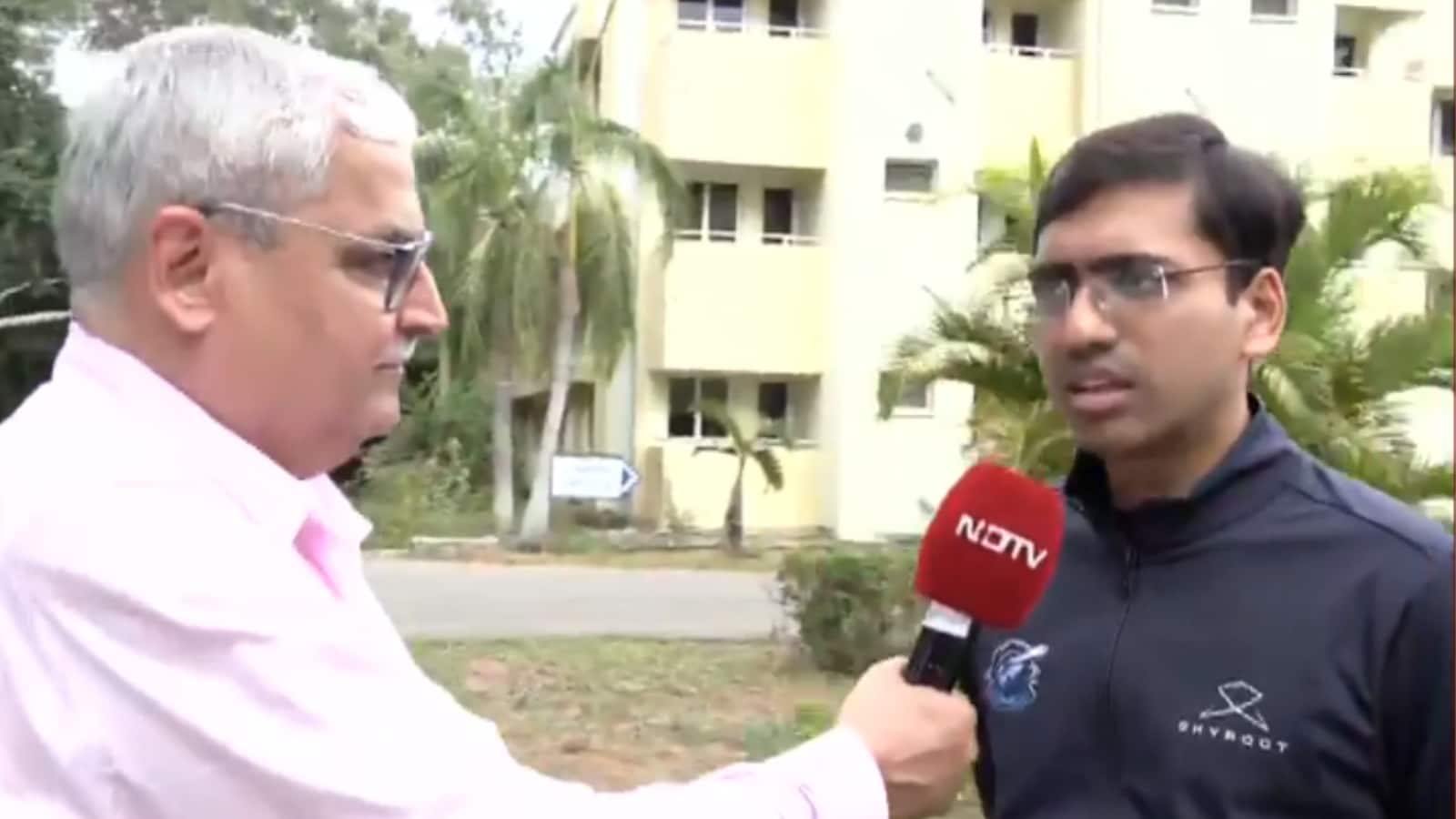
Asked how he and his young team, with an average age of 28, were celebrating the launch, the 35-year-old CEO said they have been riding the adrenaline rush, going without sleep for days and are proud that they managed to achieve this milestone.
Looking Ahead
The achievement, Chandana asserted, is just the beginning, and Skyroot is already manufacturing the systems for its second, third and fourth rockets.
READ | 10 Big Firsts Of Vikram-1 And ‘Mission Aagaman’ By Skyroot
“Bigger rockets are a long-term dream of Skyroot and we are making fairly good progress. It’ll probably take a few years to get there, but when we do, we will be opening up more access to space, and India will become a larger space hub. We are very excited to do it. And this (Saturday’s launch) also gives us a fillip for future programmes, because now we know how to reach orbit,” the CEO said.
“So, we want to stay rooted, keep aiming for the skies and achieve a very high level of cadence (frequency of launches). This is very, very important for India and for Skyroot, and we are going to make it happen,” he said.