Bhopal:
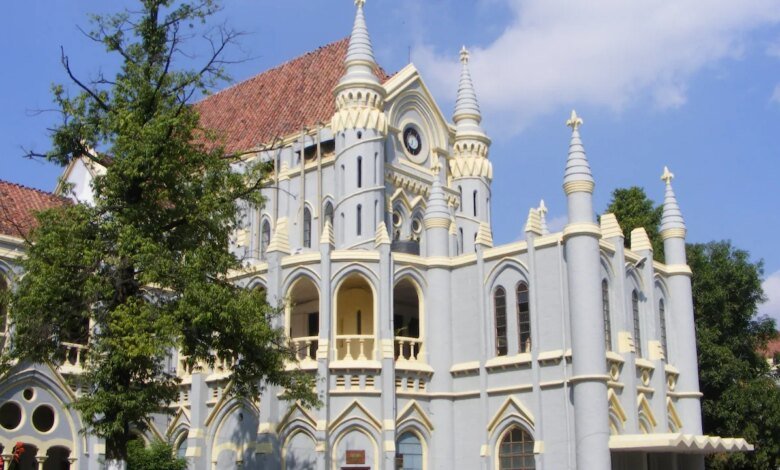
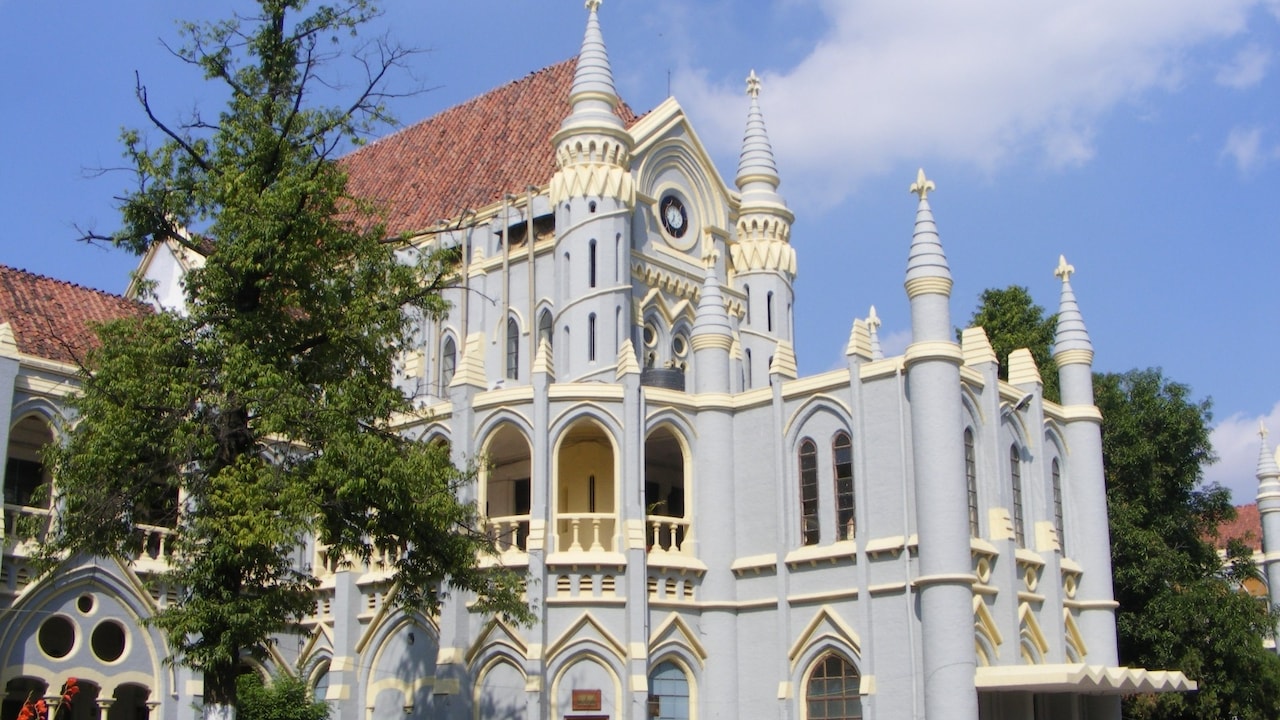
Seven years of litigation, 15 days of hearings, 30 hours of arguments and a 159-page verdict. The Madhya Pradesh High Court on Friday struck down the increase in Other Backward Classes (OBC) reservation, bringing it from the hiked 27 per cent to the older 14 per cent, ruling that the state had failed to establish grounds for breaching the 50 per cent reservation ceiling.
The bench of Justices Anand Pathak and Vinay Saraf also ordered recruitment agencies to fill the withheld 13 per cent posts from unreserved-category lists within three months.
The court, however, protected OBC candidates appointed under the enhanced quota between March 2019 and September 29, 2022. Those appointed against the additional quota during this period will not lose their jobs. The protected posts will be adjusted or subsumed over the next three recruitment drives.
It drew a different line for any appointments made after the cutoff under the additional OBC quota beyond 14 per cent, holding that these could not survive.
READ | Census Asks 40 Questions. Why Number 10 Is A Battleground: NDTV Explains
The enhanced quota was introduced by the Kamal Nath-led Congress government in 2019 and subsequently defended by BJP governments. “This case is not about grant of reservation but extent of reservation,” the bench observed.
“OBCs are certainly entitled to get reservation to the extent of 14%. However, the case is not made out for increasing the reservation from 14% to 27%,” it said. The increase had taken combined reservation for Scheduled Castes, Scheduled Tribes and OBCs to 63 per cent. Citing the Supreme Court’s decisions in Indra Sawhney and Jaishri Laxmanrao Patil judgments, the court held that no extraordinary circumstances or emergent situation had been demonstrated to justify crossing the 50 per cent ceiling. The bench heard arguments over 15 days, comprising approximately 30 hours of hearings, before reserving its verdict on August 5. Based on the higher education and public employment data examined by it, the bench found that OBCs were adequately represented for the purposes of Article 16(4). It held that their reservation in public services and higher education would remain at 14 per cent.
The court also criticised the preparation behind the legislation, referring to “undue haste and ill-preparedness”. It said the National Commission for Backward Classes ought to have been consulted on whether exceptional circumstances existed to exceed the ceiling.
READ | Centre Seeks 2-Year Window To Implement Top Court’s OBC Creamy Layer Verdict
For candidates caught in the prolonged recruitment dispute, the most consequential direction concerns the state’s “87:13” arrangement. Under a General Administration Department order dated September 29, 2022, recruitment proceeded against 87 per cent of posts. Competing lists of OBC and unreserved candidates for the remaining 13 per cent were kept pending, subject to the outcome of the litigation.
The court has now directed that those remaining posts be filled from the unreserved-category lists. “All Recruitment Agencies … shall do the needful for giving appointments to 13% unreserved category candidates within three months as an outer limit,” the bench ordered.
The direction applies to the Madhya Pradesh Public Service Commission, the Employees Selection Board and other recruiting agencies.
The dispute began with the March 2019 ordinance increasing OBC reservation to 27 per cent. A subsequent amendment to the state’s 1994 reservation law gave the increase statutory backing, but the legal challenge continued. The controversy outlasted the Congress government. After Kamal Nath’s government fell in March 2020, the issue continued under Shivraj Singh Chouhan and later Mohan Yadav, with the BJP also supporting the demand for the enhanced quota. Chief Minister Yadav convened an all-party meeting in August 2025 that adopted a unanimous resolution supporting 27 per cent OBC reservation. He also discussed the government’s position with Solicitor General Tushar Mehta.
Last month, Rahul Gandhi wrote to the Chief Minister seeking implementation of the enhanced quota and a resolution of the withheld appointments.
Friday’s judgment has now put that political consensus against the court’s finding that the increase lacked constitutional justification.
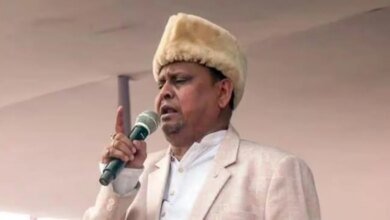
Lokendra Gurjar, a petitioner and member of the OBC Mahasabha’s national core committee, said the organisation would challenge the verdict in the Supreme Court and launch a statewide agitation for the community’s rights. Former Madhya Pradesh State Backward Classes Commission chairman JP Dhanopia accused the state government of acting with mala fide intent. He alleged that despite the Chief Minister belonging to the OBC community, the government had failed to robustly present the correct facts before the court.
Former CM Kamal Nath launched a sharp attack on the BJP, alleging that its “anti-OBC face” had been exposed. “During my tenure as Chief Minister in 2019, the Congress government had granted 27% reservation to OBCs in the state, mirroring the practice in other states across the country,” he said.
He accused successive BJP governments of conspiring to undo the increase and blamed what he described as weak representation and incomplete information submitted to the court. “By presenting a weak case in court, the BJP has effectively stabbed the OBC community in the back,” the former Chief Minister alleged.
He further alleged that the BJP had sought to have the quota removed through the courts rather than withdrawing it directly. “I warn the BJP that this injustice against the OBC community will not be tolerated; the fight to secure 27% reservation for the OBCs will be waged at every level,” he said.
Cabinet Minister Prahlad Patel rejected the Congress’s criticism, describing reservation for backward classes as an important and sensitive issue. He blamed the original decision, alleging that the Kamal Nath government had acted hastily for political gain and self-interest. The ordinance, he said, had been struck down because of constitutional flaws. “The Congress does not champion the interests of any specific section of society it acts solely for its own self-interest,” Patel said. He added that the collective effort initiated by Chief Minister Yadav through the all-party meeting would continue.