JEE Main 2027: The National Testing Agency (NTA) is expected to conduct the Joint Entrance Examination (JEE) Main 2027 on January 20, 21, 22, 23, 24 and 28. Interested and eligible candidates must note that the application window for Session 1 is open till November 22, 2026. With the examination approaching, experts have suggested that students should assess their current preparation, identify areas that need improvement, and organise their remaining study time accordingly.
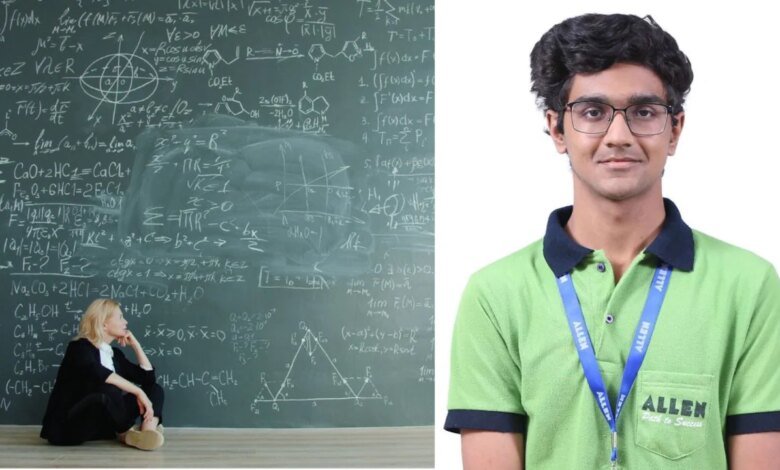
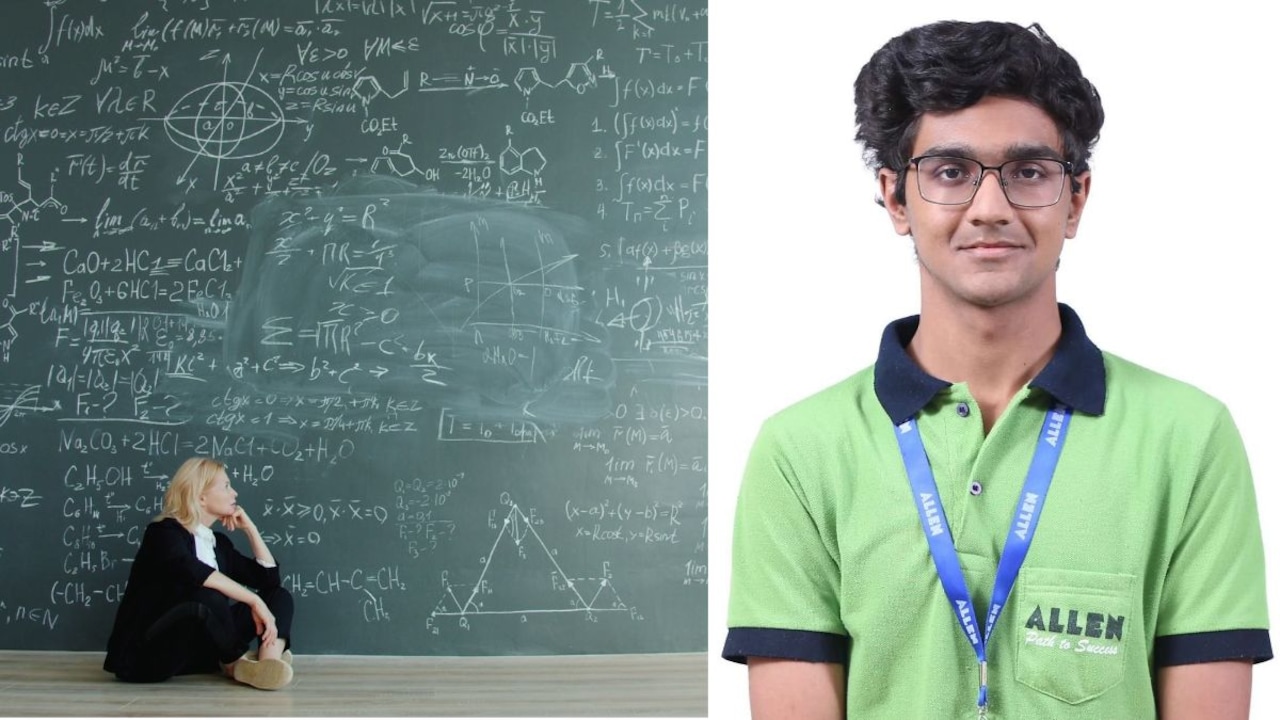
According to last year’s topper Kabeer Chhillar, engineering aspirants should focus on conceptual understanding, regular problem-solving, systematic revision, and performance analysis to strengthen their preparation for the JEE Main 2027 exam. Chhillar secured AIR 2 in JEE Main 2027 Session 1 examination and also obtained the second rank in JEE Advanced 2026, scoring 329 out of 360 marks.
A well-planned study schedule, disciplined execution and the ability to learn from mistakes are essential for achieving a strong performance in JEE Main and JEE Advanced, Chhilar noted.
‘Build Concepts Before Moving To Advanced Problems’
Speaking to NDTV, Chhillar noted that developing a clear understanding of fundamental concepts should be the first priority for JEE aspirants. Rather than memorising formulas or practising questions mechanically, students should understand the principles behind them and learn how to apply them to different problem types.
A strong foundation in Class 11 topics is equally important, as many concepts are interconnected with the Class 12 syllabus, he said. Students should follow the prescribed syllabus, maintain topic-wise study targets, and avoid leaving fundamental gaps unresolved, the top scorer added.
Follow A Balanced Strategy For Physics, Chemistry, Mathematics
Sharing his strategy, Chhillar stated that for Physics, students should focus on understanding concepts, applying mathematical relationships, and solving numerical problems of varying difficulty levels. Regular practice can help improve accuracy and develop the ability to interpret unfamiliar questions.
In Chemistry, aspirants should combine conceptual understanding with consistent revision. Particular attention should be given to prescribed NCERT content, especially for Inorganic Chemistry, along with reaction mechanisms, named reactions and numerical applications wherever relevant, the top scorer asserted.
Maintaining concise notes for formulas, reactions and important concepts can make revision more effective, he added.
Chhillar further mentioned that Mathematics requires sustained practice and familiarity with different approaches to problem-solving. Students should work on problems ranging from basic applications to multi-concept questions, with an emphasis on accuracy, logical reasoning, and time management. Reviewing alternative methods can also help them identify efficient approaches during examinations, he noted.
Last year’s topper further advised students that a realistic timetable should balance learning, question practice, revision and mock tests. Students should divide large topics into manageable targets and monitor their progress regularly.