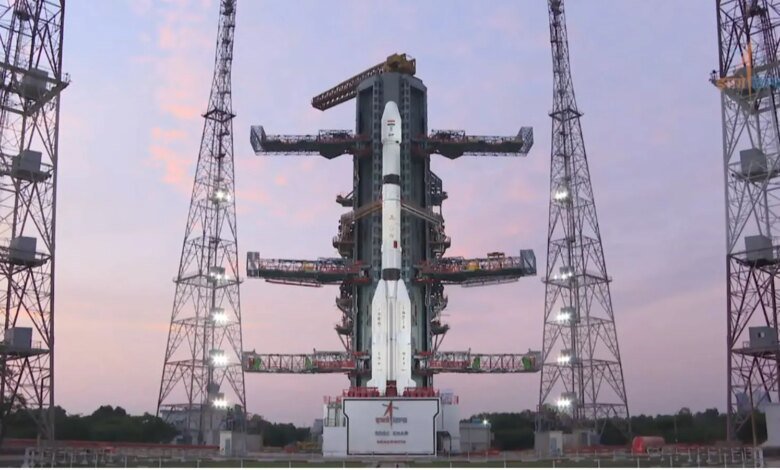
India’s next-generation navigation satellite, NVS-03, has lifted off aboard the Geosynchronous Satellite Launch Vehicle, GSLV-F18 rocket, on a key mission to strengthen the country’s indigenous navigation system.
The launch took place at 11:51 pm at Satish Dhawan Space Centre in Sriharikota, Andhra Pradesh.
“GSLV-F18 carrying NVS-03 lifts off from Satish Dhawan Space Centre, SHAR, Sriharikota,” India’s space agency ISRO said on X.
🚨 Liftoff of GSLV-F18 carrying NVS-03 at 11:51 PM IST from Second Launch Pad, SHAR! ISRO’s rescue mission for NavIC is now underway 🚀 #ISRO | #GSLVF18 https://t.co/MizXSaUe4R
— ISRO Spaceflight (@ISROSpaceflight) October 30, 2026
NVS-03 is the third satellite of the second-generation NVS series, intended to augment the Navigation with Indian Constellation (NavIC) system, an indigenous GPS of sorts, and support the continuity of navigation services.
The 50-metre-tall, three-stage GSLV-F18 rocket lifted off with the 2,232 kg NVS-03 satellite, aiming to deploy it into a Geosynchronous Transfer Orbit (GTO). Once deployed, the satellite will perform orbit-raising manoeuvres to reach its final geosynchronous slot at 32.5 degrees East.
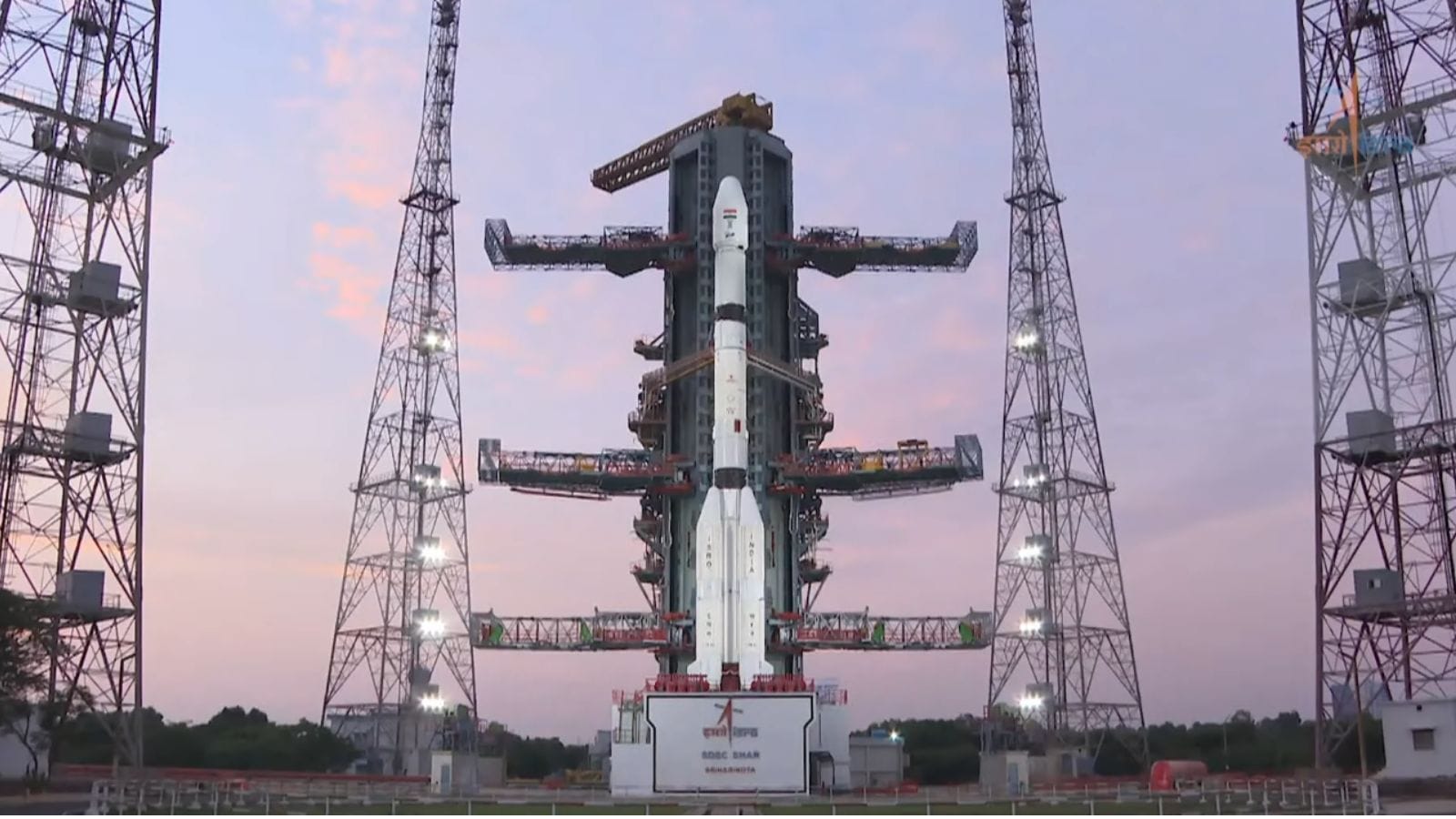
With Friday’s launch, the country’s GSLV programme completed its 20th flight. Once dubbed as the “naughty boy” for its frequent failures, the rocket had earned the “smart boy” moniker after achieving successful launches.
The launch aims to boost India’s capability to provide accurate positioning, navigation, and timing services across the country and beyond. India needs the swadeshi GPS or NavIC signal, especially for strategic purposes, including for military operations like Operation Sindoor.
The NVS-03 satellite carries an indigenous atomic clock along with procured atomic clocks for precise positioning and timing services. The satellite will transmit the new L1 signal in addition to the existing L5 and S-band navigation signals, providing coverage over India and up to 1,500 km beyond the country’s boundaries.