Once bitten, twice shy, the Congress seems to have learned a lesson from its 2022 failure in Punjab, when its 77 seats were reduced to just 18. Already the party is building layers of committees, surveys and local-consent rules before a single ticket is finalised. The reason is simple and still raw. In 2022, the same organisation tore itself apart in public, removed Captain Amarinder Singh as chief minister, and handed the state to AAP. This time, the high command is trying to make sure the fight stays inside the room until the Central Election Committee speaks.
The party is not in a hurry to announce tickets as the AAP did. The party high command is treating the 2027 Punjab Assembly elections as a salvage operation. The high command took months to replace Amarinder Singh Raja Warring as PCC chief with Pargat Singh. It does not want another 2022 ticket chaos when rebel candidates defeat party nominees. Rana Inder Partap Singh, son of senior Congress leader Rana Gurjeet Singh, is the prominent Congress rebel who won as an Independent in the 2022 elections, defeating the official Congress nominee in Sultanpur Lodhi.
READ | On Congress Panel For Punjab Election Tickets, Gandhis’ Trusted Giant Slayer From UP
In the 2017 elections, the Congress secured a 38.50 per cent vote share-a 1.47 percentage-point gain over 2012-winning 77 of 117 seats to form a majority government under Captain Amarinder Singh. He capitalised on a decade of anti-incumbency against the SAD-BJP alliance to sweep Majha (22 of 25 seats) and make deep inroads into Akali strongholds in Malwa. By contrast, in the 2022 elections, the party’s vote share plunged by 15.52 percentage points to 22.98 per cent, reducing its tally to 18 seats and relegating it to the main opposition. Despite the massive AAP wave that swept 66 of 69 seats in Malwa, Congress still managed to preserve a viable organisational base in Majha (winning 7 of 25 seats) and Doaba (winning 9 of 23 seats), keeping a core ~CHECK~23 per cent vote floor intact even as the SAD collapsed to 18.38 per cent.
Building a Ticket Process That Survives Scrutiny
The party has stacked committees so that no single leader can rush or hijack selections. A 42-member State Election Committee chaired by Pargat Singh includes Partap Singh Bajwa, Ambika Soni, Rajinder Kaur Bhattal, Charanjit Singh Channi, Raja Warring, and MPs such as Manish Tewari, Sukhjinder Singh Randhawa, Amar Singh, Gurjeet Singh Aujla, Dharamvir Gandhi and Kishori Lal Sharma. An AICC Screening Committee under Dr Sirivella Prasad, with Sachin Sawant and Nivedith Alva, plus the state’s top leadership, reviews the list. Applications are collected. Weak names are dropped. Panels of two or three names are prepared where veterans clash. Single strong contenders are treated as nearly final. The report then goes to the Central Election Committee for clearance by the Congress president. AICC general secretary KC Venugopal issues the formal orders after the president’s approval. The Punjab elections are due early next year.
Pargat Singh has made it clear that the party will not rush. It will prefer leaders who worked continuously for four and a half years and hold a grip in their constituencies. This also makes it clear that the turncoats will have fewer chances to get Congress tickets unless the rebel from a rival party is an exception. Rahul Gandhi’s team is running parallel surveys. Favourable reports and higher winning chances will matter. Sachin Pilot has made the same point: those who stayed active in the opposition years will not be ignored. Raja Warring, at the new president’s installation, asked the high command to look after leaders who struggled on the ground for four years. Age will not decide tickets. Winnability will. Caste and regional balance across Majha, Malwa and Doaba is built into the process so that every community, youth and women receive representation. For seats with one clear name, the process treats it as settled. Where two or three face each other, the panel is prepared first.
READ | 3 Parties, 3 Wounds: Bhagwant Mann Turns Punjab’s Past Into Poll Weapon
Despite the run for the winnability, the “one family, one ticket” rule remains unsettled. Raja Warring said in Ferozepur on August 4 that only one person from a family should get a ticket while he is around, because big families must not block new faces. Sukhjinder Singh Randhawa replied in Khanna on August 16 that if a family has multiple winning candidates, they could get two or even four tickets. Pargat Singh clarified on November 16 that tickets will rest on winning capacity and mass appeal, not family name; if two from the same household can both win, both can be fielded. Congress veteran Tript Rajinder Singh Bajwa, who had opposed the rigid ban in 2022, has welcomed the view. Rana Gurjit Singh defended his son Rana Inder Pratap Singh for Sultanpur Lodhi on pure winnability. After surveys arrive, lists will be released with Election Committee and Central Election Committee approval. Aspirants must wait until December. The high command has left the door open rather than impose a fixed rule that could push strong candidates out.
Turncoat Scrutiny To Keep Local Cadres From Walking Out
Pargat Singh has formed a four-member committee — Vijay Inder Singla, Aruna Chaudhary, Kushaldeep Singh Dhillon and Hardev Singh Ladi — to handle leaders joining from other parties. Before any induction, the committee must consult senior local Congress leaders and the district president of the constituency. The order is in force. The party wants local opinion taken into account so that existing ticket aspirants and old workers do not feel displaced. In 2022, last-minute outsiders and denied veterans produced independents and booth-level sabotage. This mechanism tries to stop the same resentment. The joining process moves forward only after local views are considered. It does not ban turncoats. It conditions their entry on organisational peace.
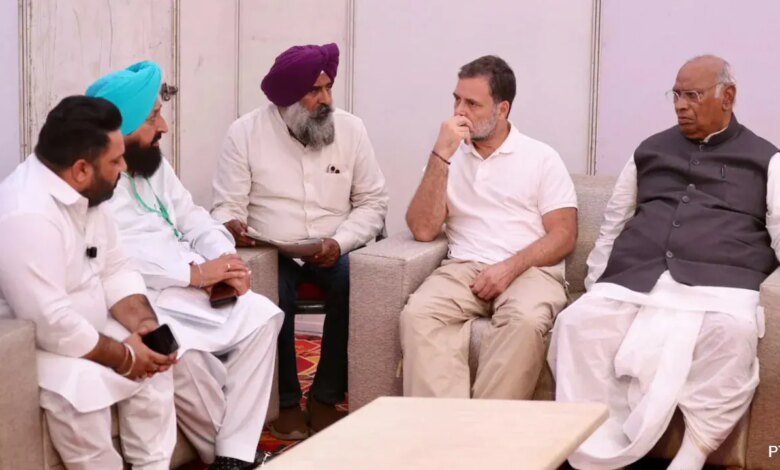
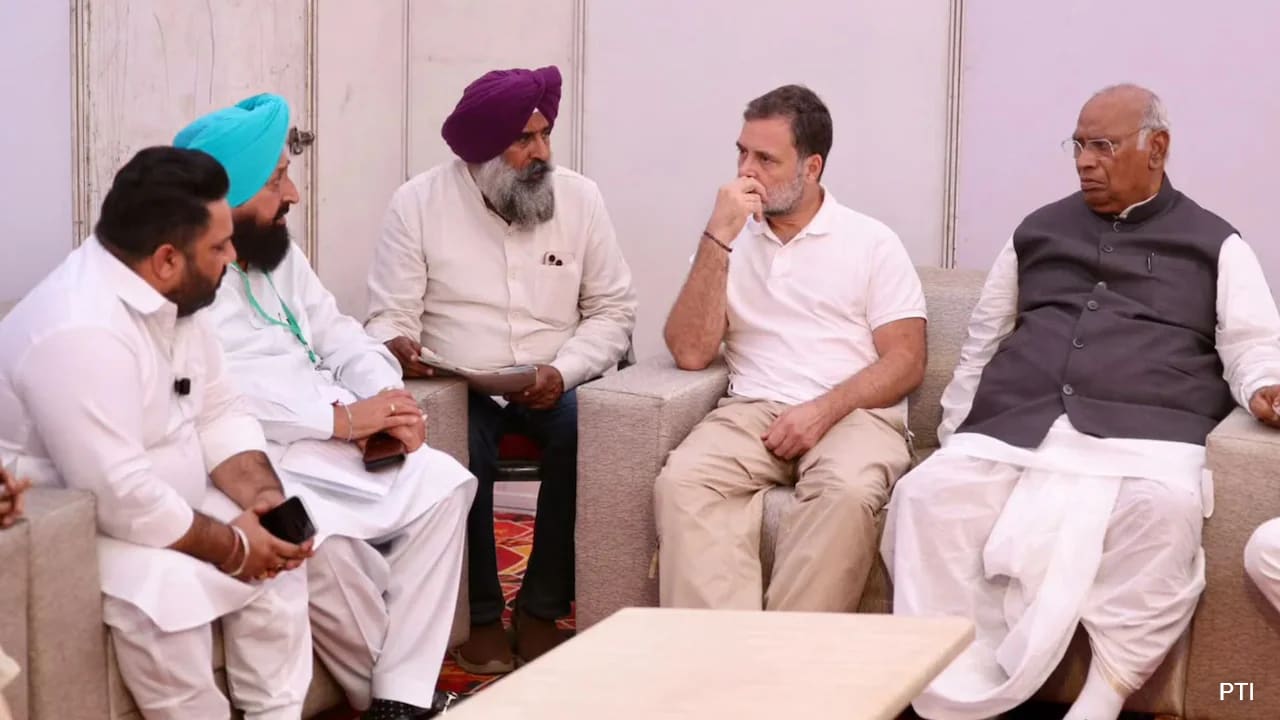
Organisational work has intensified. Committees were formed in July, with Channi on the Election Campaign Committee and Vijay Inder Singla on Election Management and Coordination. On October 31, senior leaders met Mallikarjun Kharge and Rahul Gandhi in Delhi to discuss the 2027 strategy and unity. Pargat Singh has told workers in Tarn Taran to forget differences, prepare for the polls, and connect directly with the people in villages and towns. Channi has claimed the Congress will form the government by winning a record number of seats and that tickets will follow merit and high-command decision, not flattery or recommendations.
Will Captain Return To Party?
Despite clear warnings issued by the party high command about fiefdoms, Channi has already begun publicly assigning ministerial posts (including to Kushaldeep Singh Dhillon) even though no tickets have been finalised, while his remarks on Captain Amarinder Singh’s ED cases have drawn a sharp reply from Preneet Kaur. At a Faridkot event on November 17, Channi announced Kushaldeep Singh Dhillon should be strengthened because “the upcoming government will be run by them” and that it was time for the multi-term MLA to become a minister. No tickets have been finalised. The screening committee has only just been formed. The remark treated cabinet posts as already distributed. It sat beside his other comments the same week.
READ | Analysis: Akali Dal’s Old Guard Returns, But Can Badals Win Back Punjab?
The same days produced open tension over Captain Amarinder Singh. On November 16, the Captain attended the launch of Sonia Gandhi’s book in Delhi, seated with senior Congress leaders. Rahul Gandhi recalled old ties between Rajiv Gandhi and the Captain. Asked by journalists whether he would rejoin Congress, Captain said “no.” He had come because Sonia Gandhi had attended three of his own book launches; no one from the party had asked him to return. Channi, the next day, claimed Captain would not return as he was facing ED cases. Preneet Kaur, the Captain’s wife, slammed Channi and advised him to worry about his own ED cases and leave the matter alone. She has also made it clear that the Captain would not change his decision, and that the family would remain in the BJP. The exchange left the impression that Channi’s camp views any return as a threat to its own claims on leadership and tickets.
Pargat Singh, asked whether MPs who contested the 2024 Lok Sabha polls will now be fielded in the Assembly, left the decision to the high command. He noted that the first list process is under way through committee meetings and surveys, but the call on sitting MPs is not his. Congress has seven MPs from Punjab. Which of them, if any, will contest Assembly seats remains open.
The 2022 defeat supplies the direct lessons. Prolonged public fighting between Navjot Singh Sidhu and the Captain projected instability. The removal of the Captain and installation of Channi as the first Dalit chief minister failed to lock the Scheduled Caste vote and alienated sections of Jat Sikh and urban Hindu voters. Channi himself lost both seats he contested, Chamkaur Sahib and Bhadaur.
Unfulfilled 2017 promises-incomplete farm-loan waivers, the drug menace still present, no concrete action on sacrilege cases, and the persistence of sand, liquor and transport mafias-fed anti-incumbency. Flawed ticket distribution and rebel sabotage split the Congress vote across dozens of constituencies. The AAP, without governance baggage, swept Malwa and the “badlav” sentiment among youth, rural and urban voters. The current committees, surveys, local-consent rule for turncoats, and public emphasis on continuous work and winnability are attempts to avoid those exact failures. Whether the same leaders who fought in public last time can stay quiet until the Central Election Committee speaks is the open question the process has not yet answered.