New Delhi:
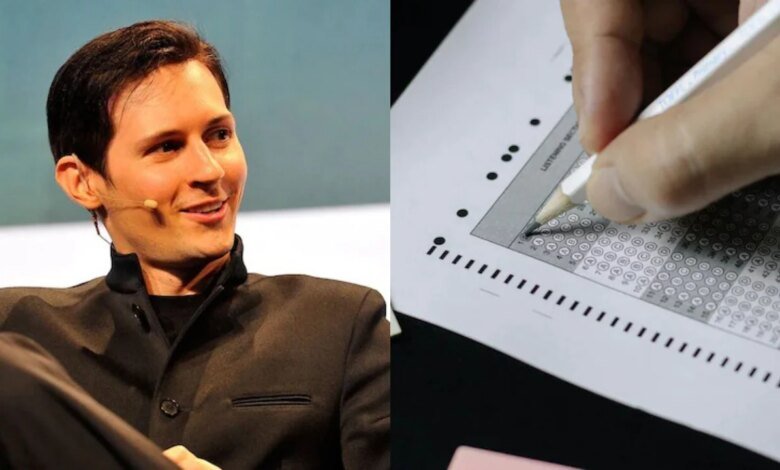
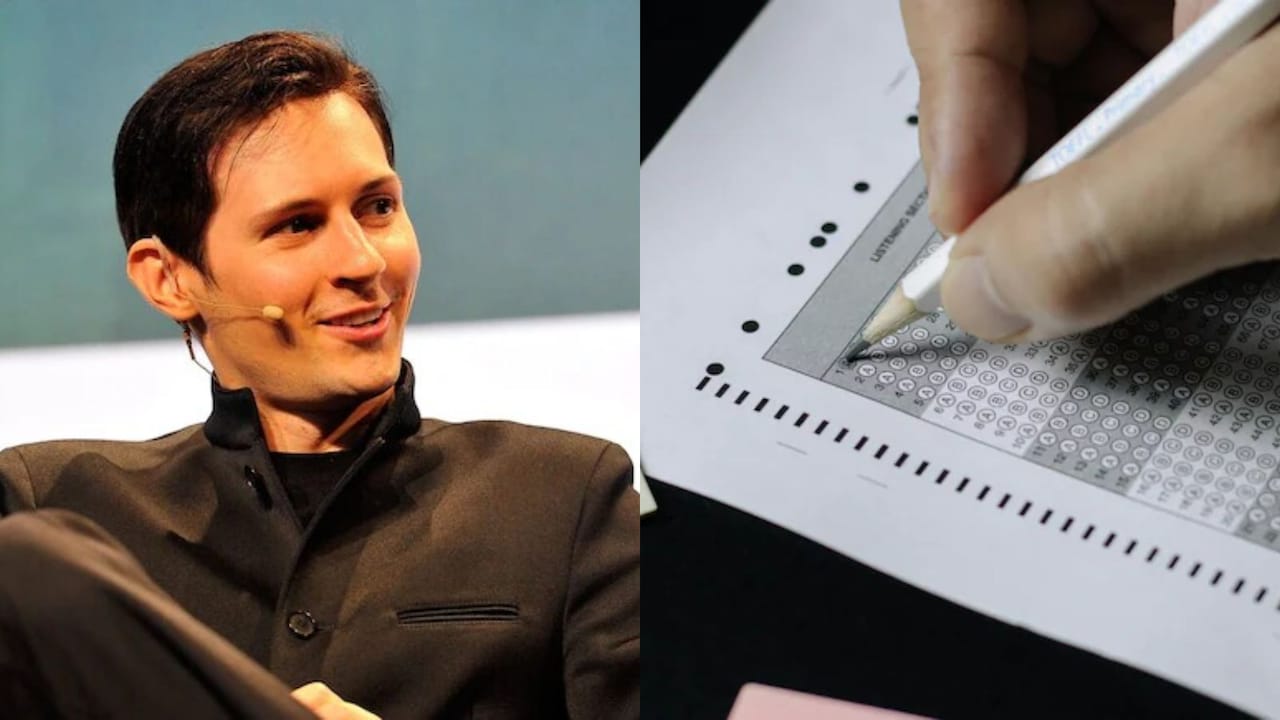
Telegram has been temporarily banned in India as authorities move to prevent cheating and misinformation ahead of the NEET-UG 2026 re-examination. The messaging app’s founder and CEO, Pavel Durov, has criticised the decision, arguing that it affects millions of ordinary users without stopping the underlying problem.
The Centre restricted access to Telegram on Tuesday until June 22, 2026. The move, which covers the period of the NEET-UG 2026 re-examination scheduled for June 21 and its immediate aftermath, follows recommendations from the National Testing Agency (NTA). Google has already removed the app from its Play Store, and Apple is expected to follow suit in compliance with the order.
“India’s IT ministry banned Telegram for one week because some users shared leaked exam questions. This punishes 150M+ ordinary Telegram users in India – not the insiders who leaked the exam materials. And the ban hasn’t stopped anything. The leaks just moved to other apps,” Pavel Durov wrote on X.
India’s IT ministry banned Telegram for one week because some users shared leaked exam questions.
This punishes 150M+ ordinary Telegram users in India — not the insiders who leaked the exam materials.
And the ban hasn’t stopped anything. The leaks just moved to other apps. https://t.co/CzQWN4mXfb
— Pavel Durov (@durov) June 16, 2026
“Over the past few weeks, we removed hundreds of channels sharing leaked exam materials and related scams in India. We’re also making the “edited” label more visible to prevent backdating scams. Telegram is a force for good. Banning it – even temporarily – is a mistake,” Pavel Durov added in a subsequent tweet.
The NTA stated that the restrictions aim to tackle organised cheating rackets and the spread of fake messages related to the examination.
“We will not let anything go wrong. We will take all possible actions to ensure that the examination is conducted without any malpractice,” NTA Director General Abhishek Singh told news agency PTI.
Singh confirmed there had been no specific new paper leak triggering the action. Instead, authorities acted against circulating fake messages that were causing anxiety and mental stress among candidates.
The Ministry of Electronics and Information Technology (MeitY) issued the direction under Section 69A of the Information Technology Act, 2000. A separate order requires Telegram to disable the message-editing feature for already-posted messages in India until June 30.
The NTA’s Reasoning
The NTA said that this feature had been exploited. Channel administrators could edit older messages, replacing attached files such as PDFs while keeping the original send-time stamp. This allowed the creation of fabricated “evidence” of paper leaks after examinations had taken place. Administrators would insert the actual question paper into an old message and circulate screenshots claiming prior availability. The restriction closes this avenue for the post-examination period.
The agency said that no genuine papers exist outside the secured examination process and that promises of leaked papers are fraudulent.
The Telegram Channels
Over recent weeks, channels with names such as “PAPER LEAKED NEET”, “Re-NEET 2026”, “Private Mafia” and “REE NEET MAFIAA” had openly demanded payments ranging from a few thousand to several lakhs of rupees for purported access to the paper.
The NTA described the platform-level action as a measure of last resort. Earlier efforts by the Indian Cyber Crime Coordination Centre (I4C) under the Ministry of Home Affairs, working with state police in Bihar, Gujarat and Rajasthan, had led to the takedown of many channels, groups and bots.
The NEET-UG Reexamination
The original NEET-UG examination on May 3 was cancelled due to allegations of irregularities, affecting large numbers of aspirants. The re-examination is set to proceed on June 21.
The NTA urged candidates to rely only on official channels and its website, and to report fraudulent solicitations to the National Cyber Crime Helpline (1930) or the reporting portal.
NTA helplines remain available. State-level actions continue.
The Reactions
The Internet Freedom Foundation (IFF) described the curbs as a “band-aid solution” and “disproportionate”. The group called the nationwide measure a “blunt” response that, on the government’s own admission, raises constitutional concerns.
On social media too the move sparked debate. Nisarga Adhikary, a self-described ethical hacker who has worked on cybersecurity issues including CBSE systems and now holds a role at IIT-K’s C3iHub, said blocking Telegram would not be effective.
“Can’t stop paper leaks, ends up blocking Telegram. Blocking Telegram totally isn’t even possible; Telegram is designed in such a way which easily allows people to use proxies and other methods of circumvention,” he posted on X.
IIT Kanpur Director Manindra Agrawal responded to critics by clarifying the core issue. He said that the problem with Telegram channels was not only the potential sharing of actual papers — possible through other means — but the spread of fake leak claims that could appear genuine and cause confusion.
“Telegram, as I write, has this special feature that allows editing of a post WITHOUT reflecting that edit has been done. This is dangerous. No other major social media channel has this,” he said
Sarthak Siddhant, an 18-year-old student known for raising concerns about the CBSE’s on-screen marking system, questioned the logic of shutting down an entire platform.
“Just because a COMMUNICATION MEDIUM has elements of misinformation, we have decided to shut it down,” he wrote. He asked why similar action was not taken against WhatsApp or the Indian press, and whether all mediums of dissent should be shut down.