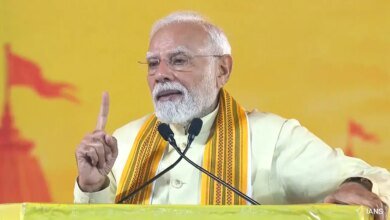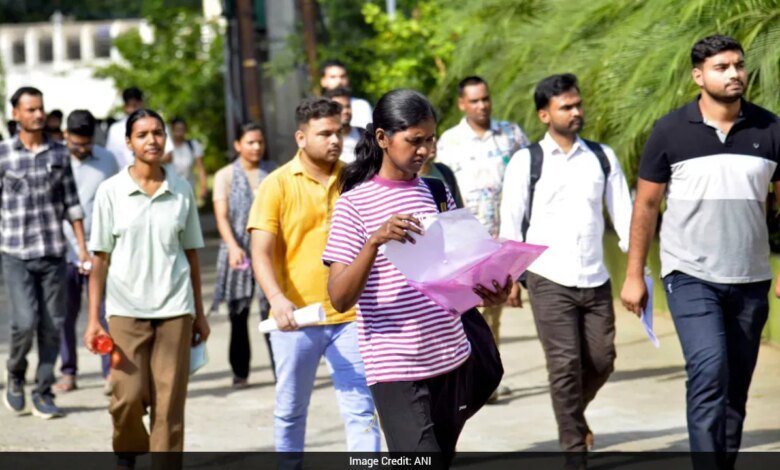
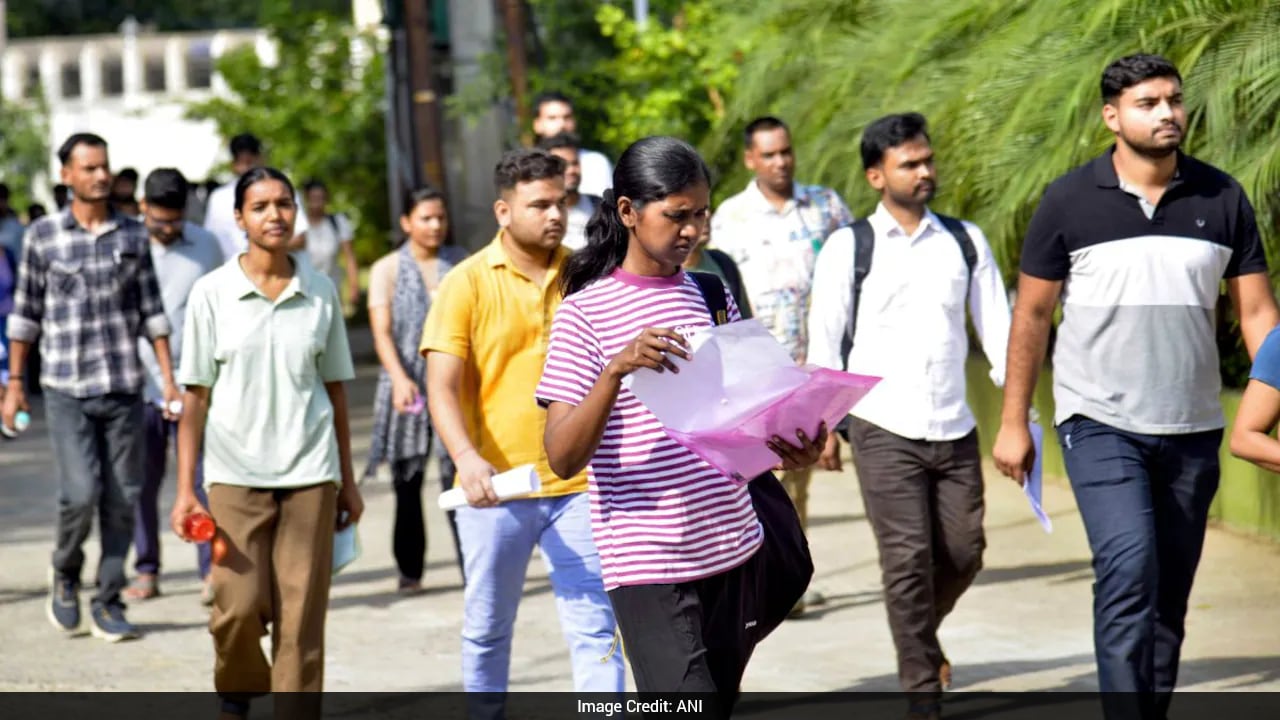
The arrangements for high-level, classified, military-grade security and AI facial recognition for the NEET retest on June 21 will only add to the already ballooning exam pressure on candidates and create a new set of problems, former Tamil Nadu BJP chief K Annamalai said on Tuesday.
The comments invited a sharp comeback from the BJP.
Earlier this month, Annamalai quit the BJP and announced plans to launch a political movement of his own.
In May, the National Eligibility cum Entrance Test (NEET) – one of the country’s most competitive exams for undergraduate medical seats, attracting millions of candidates – was canceled due to an alleged paper leak.
For the retest, the Air Force will be ferrying the question papers across the country, while Central Reserve Reserve Police Force (CRPF) and Central Industrial Security Force (CISF) personnel will assist local police in moving them to the examination centers. There will also be biometric and facial recognition checks before students are allowed into the venue. Annamalai noted that there is multi-level oversight involved, with direct monitoring from the Prime Minister’s Office.
“These are not arrangements to buy high-level, classified, military-grade software. These are the arrangements made by the Ministry of Education for the NEET retest scheduled for 21st June 2026,” Annamalai posted on X, taking a swipe at the government.
BJP leader Vinod Selvam hit back, saying biometric verification, CCTV monitoring, and security checks are standard practices in any serious, large-scale examination. The BJP leader cited the example of the Gaokao, China’s highly competitive, standardised National College Entrance Examination (NCEE), where scores serve as the single determining factor for university admissions.
“China’s Gaokao is taken by over 13 million students every year under some of the world’s strictest examination protocols. Nobody calls it ‘militarization’-they call it protecting merit,” Selvam said. “Students deserve confidence in the system, not political fearmongering every time standards are enforced.”
Biometric verification, CCTV monitoring, security checks and supervision are standard practices in any serious, large-scale examination.
China’s Gaokao is taken by over 13 million students every year under some of the world’s strictest examination protocols. Nobody calls it… https://t.co/Q8NXD57VZ2
— Vinoj P Selvam (@VinojBJP) June 16, 2026
However, Annamalai argued that the extended frisking and heightened security will only hurt the candidates’ state of mind.
“Every student would appreciate the government’s efforts to prevent paper leaks by implementing additional security measures and enhanced monitoring. But an increase in scrutiny before entry, extended frisking, and an increase in the overall exam time from 180 minutes to 195 minutes will only add to their already ballooning exam pressure,” Annamalai said.
The government on Tuesday also temporarily restricted access to the Telegram messaging app ahead of the retest, with the National Testing Agency (NTA) saying the measure was aimed at tackling cheating rackets.
“While the government has taken measures to contain leaks, they have forgotten the additional burden they have imposed on a young student before they take up an assessment, one that they have spent months preparing for. This dissolves the entire purpose of our exam system and the NEP 2020’s goal to reduce ‘Exam Stress,'” he said.
Annamalai further spotlighted that students are currently facing “issues with downloading the admit cards.”
In a post on X, the NTA acknowledged technical glitches and server issues regarding admit card access, stressing that its teams are working to resolve the issue.
“Despite all these arrangements for the examination, there are issues with downloading the admit cards, and NTA has assured students that it will resolve them at the earliest. Yes, there are challenges that demand meaningful solutions. However, I am concerned that the approach devised for the NEET retest may not resolve the issue; instead, it risks creating a new set of problems,” Annamalai said.