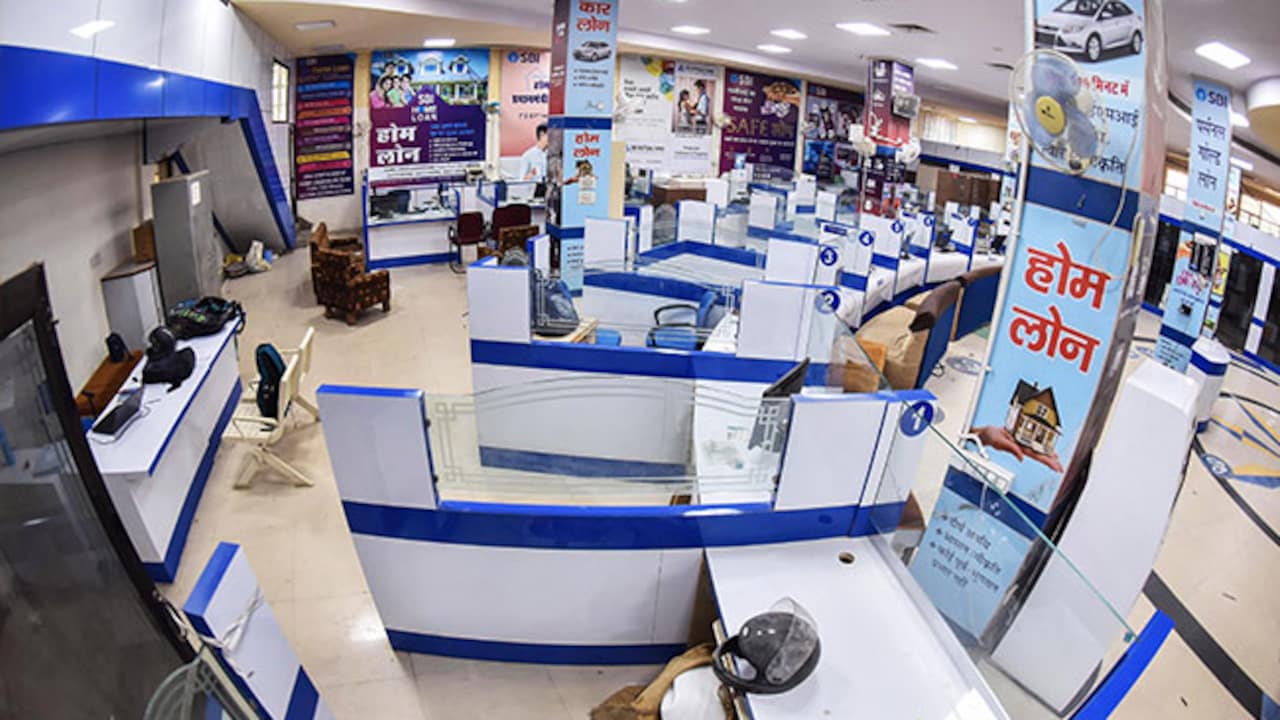
Bank Strike September 28-30: Bank customers across India could face disruption in branch-based services as bank unions are set to observe a three-day nationwide strike from September 28 to 30. The strike has been called by the United Forum of Bank Unions (UFBU), with the implementation of a five-day banking week among its key demands. The unions are also seeking changes related to pension benefits and other service-related issues.
The timing of the strike could make the disruption more noticeable, as it coincides with the half-yearly financial closing on September 30. Public sector banks and regional rural banks are expected to be particularly affected, while private-sector banks are likely to face less disruption.
What bank customers may not be able to do
Services that require a physical branch or manual processing are likely to be affected during the strike. These include:
- Cash deposits and withdrawals at branches: Over-the-counter transactions at affected bank branches may not be available.
- Passbook updates: Physical passbook printing and other branch-based services could be delayed.
- Cheque processing: Cheque clearing and other transactions dependent on physical processing may face delays.
- Demand drafts: Issuance of fresh demand drafts may not be possible at affected branches.
- KYC and account-related work: Customers needing in-person document verification or account updates may have to wait until branches reopen.
- Loan-related processing: Applications, documentation, verification and other work requiring branch staff could be delayed.
- Locker services: Customers may not be able to access physical bank lockers while branches remain closed.
- Half-yearly closing work: Internal banking operations linked to the September 30 financial closing could also be affected.
What will continue
The strike is primarily expected to affect physical branch operations. Several digital and self-service facilities should continue to operate.
- UPI payments: Routine UPI transactions are expected to remain available.
- Mobile and internet banking: Customers can continue using banking apps and online portals for fund transfers, bill payments and other digital services.
- ATMs: Cash withdrawal and other ATM services are expected to remain operational, although availability of cash could vary depending on location and replenishment.
- Cash deposit machines: Automated machines may continue to accept deposits where the facility is available.
- Private banks: Private-sector banks are expected to be less affected by the strike, although customers should check individual bank advisories before visiting a branch.
Why banks are open on Sunday
The government took an unusual step to reduce the impact of the strike by allowing public sector banks and regional rural banks to operate on Sunday, September 27. The Finance Ministry said all public sector banks and regional rural banks would function normally on Sunday, with RBI approval for bank branches, offices, ATM-linked branches and currency chests to remain operational. The move was aimed at helping customers complete urgent banking work before the three-day strike.
So, if you have any urgent paperwork, cash-related work or other branch-dependent banking task pending, September 27 is the last opportunity before the strike begins on Monday, subject to your bank branch’s local arrangements.