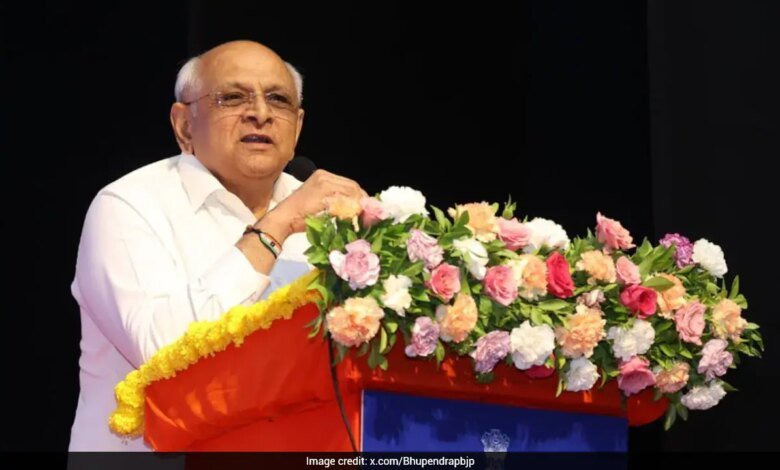
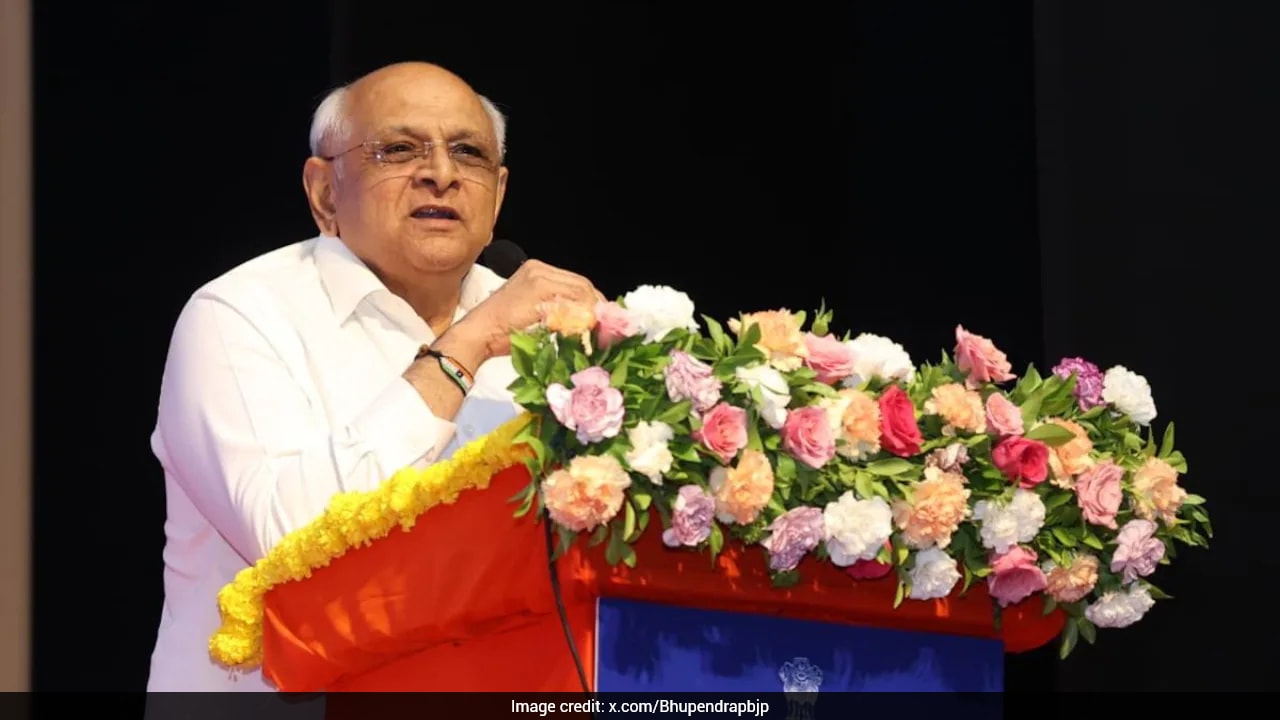
The Gujarat government on Wednesday launched a statewide campaign to bring more than 80,000 school dropout children back into classrooms. Gujarat Chief Minister Bhupendra Patel said that the initiative is aimed at achieving “zero dropout” and ensuring that no child is left behind in the education system.
Launching the ‘Samras Vidya Setu’ Mega Campaign from Ahmedabad, Patel said Gujarat’s school dropout rate had declined to two per cent and the state had now identified more than 80,000 children who had left school. The government has planned to re-enrol them in age-appropriate classes with academic support to help them bridge learning gaps.
સમરસ વિદ્યા સેતુ અભિયાન અંતર્ગત ડ્રોપ-આઉટ શૂન્ય કરવાનું આપણું લક્ષ્ય છે. બાળકો ફરી શાળાએ આવતા થાય ત્યારબાદ તેમને અભ્યાસમાં ટકાવી રાખવામાં વાલીઓ, શિક્ષકો અને સમાજની મોટી ભૂમિકા રહેશે. #SamrasVidyaSetu pic.twitter.com/IPB6FQFXiJ
— Bhupendra Patel (@Bhupendrapbjp) July 22, 2026
Patel said that the district-wise lists of school dropout children had been prepared across Gujarat and that teachers, local public representatives and community leaders would jointly reach out to parents to encourage them to send their children back to school.
“Every child will be admitted to the appropriate class according to their age, while special academic support and bridge learning arrangements have been made for children who have fallen behind in their studies,” he said.
“Ensuring that every child from 6 to 14 years gets the fundamental right to free and compulsory education is our constitutional and moral responsibility,” Patel said in a social media post on X.
કોઈ ના રહે પાછળ, વિદ્યા વધારે આગળ..
અમદાવાદ મહાનગરમાં છેલ્લા 2 વર્ષમાં ઘણા બાળકોને શાળામાં પુનઃપ્રવેશ અપાવવામાં સફળતા મળી છે, જે એક સરાહનીય બાબત છે. આ કાર્યમાં શ્રેષ્ઠ યોગદાન આપનાર શિક્ષકો, વાલીઓ, સામાજિક અને શૈક્ષણિક સંસ્થાઓનું સન્માન કર્યું.
સમરસ વિદ્યા સેતુ અભિયાન એ માત્ર… pic.twitter.com/5Y7xVZYxCM
— Bhupendra Patel (@Bhupendrapbjp) July 22, 2026
Emphasising the need for cooperation between schools and families, Patel said that Gujarat had emerged as one of the country’s leading destinations for business and employment and that quality education was essential for young people to benefit from these opportunities.
He urged parents to ensure regular school attendance and said the goal of “zero dropout” could only be achieved through the combined efforts of the government, parents, teachers and society. Patel also highlighted the role of teachers in preventing students from dropping out, saying they closely monitor attendance and personally follow up when necessary.
“If a child remains absent from school for two consecutive days, the teacher visits the child’s home to understand the reason for the absence,” he said. The Chief Minister said the improvements in the quality of education in government and municipal schools had encouraged many families to shift their children from private institutions to government schools.
કેટલાક બાળકો નાની ઉંમરે ભણતર અધવચ્ચેથી છોડી દેતા હોય છે. ઘણીવાર એની પાછળ સામાજિક કારણો જવાબદાર હોય છે.. તો ક્યારેક સ્થળાંતર જેવા કારણો.
કારણ ભલે જે પણ હોય.. પરંતુ એકપણ બાળક શાળાનો અભ્યાસ છોડી દે એ આપણને પાલવે નહીં. 6 થી 14 વર્ષના દરેક બાળકને મફત અને ફરજિયાત શિક્ષણનો મૂળભૂત… pic.twitter.com/85ffmfzCuC
— Bhupendra Patel (@Bhupendrapbjp) July 22, 2026
The state’s Education Minister Dr Pradyuman Vaja described the campaign as “not merely a government programme but a people’s movement to ensure every child’s Right to Education”.
“The state government had introduced several measures to improve the quality of education, including Mission Schools of Excellence, smart classrooms, modern educational infrastructure and student-focused schemes, which had strengthened public confidence in government schools,” he said.
Referring to the National Education Policy 2020, Vaja said: “The campaign would focus on identifying school dropout children, re-enrolling them, maintaining regular contact with parents, conducting home visits, providing mentoring and organising bridge courses to help them return to mainstream education.”
He said the success of the campaign would depend on the active participation of teachers, School Management Committees, district and taluka administrations, Cluster Resource Centre (CRC) and Block Resource Centre (BRC) coordinators, voluntary organisations, community leaders, public representatives and local communities.
“Districts, teachers and School Management Committees that perform exceptionally under the campaign will be honoured on Teachers’ Day,” he added.