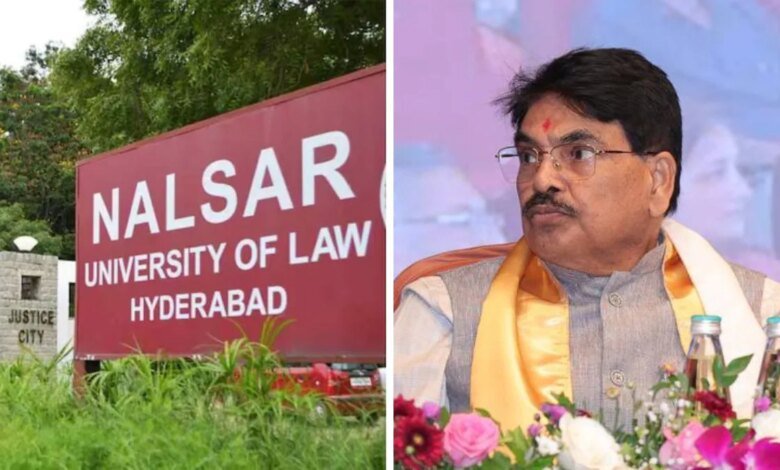
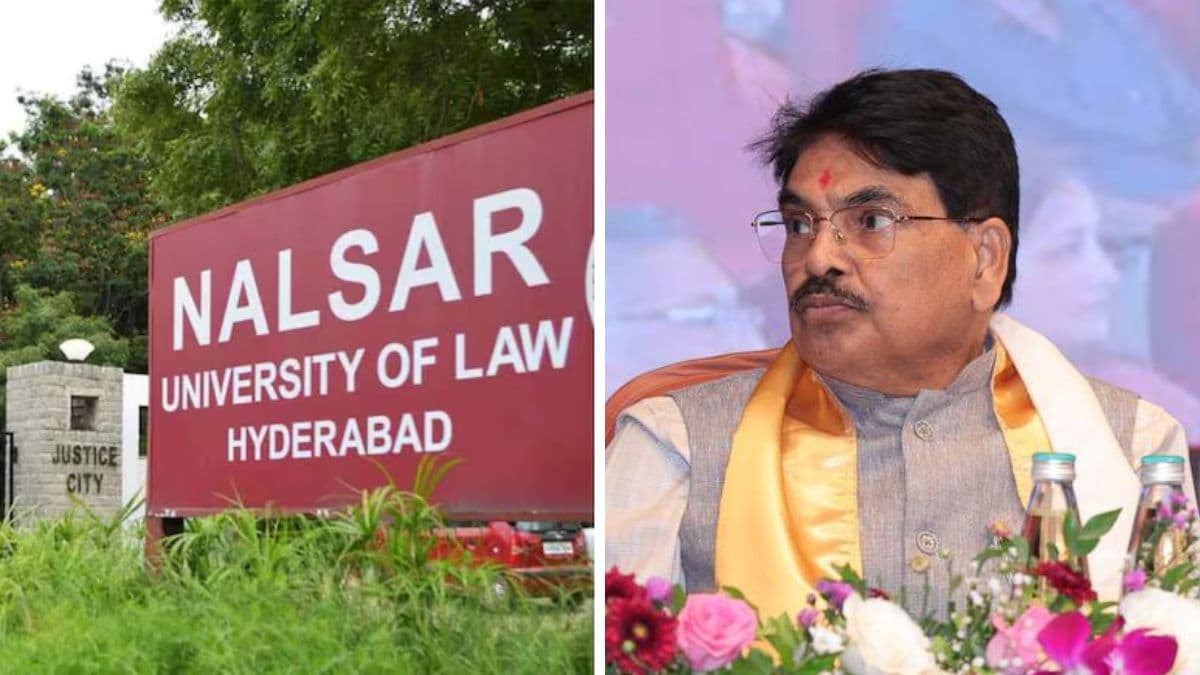
In a big relief for the law students and a rap for the Bar Council of India, the Supreme Court has ruled that the bar council has no authority to take disciplinary action against law students. The big remarks from the Supreme Court came during the hearing in the NALSAR law university case, where the Bar Council of India had first issued an order against the students and later withdrew it.
The Supreme Court made it clear that the Bar Council of India (BCI) and State Bar Councils do not possess the statutory authority to initiate disciplinary action against law students.
A Bar Council gets disciplinary jurisdiction over a law graduate only after they are enrolled as an advocate, the court added.
A bench comprising Chief Justice of India (CJI) Surya Kant, Justice Joymalya Bagchi, and Justice V Mohana stated that in the case of law students, the authority to take disciplinary action rests with their parent educational institution or the competent authority designated under that institution’s rules and bylaws.
Read | “This Is Between Students And Me”: Chief Justice Raps Bar Council Over Order
The Supreme Court declared that the directives by the BCI chairman Manan Kumar Mishra on August 13 were issued without any legal authority. The BCI order had called for halting the enrollment of the 2026 batch students at Hyderabad’s NALSAR University of Law and initiating an inquiry against students and faculty regarding an alleged a campaign against the CJI.
Following the outrage, the BCI chairman had withdrawn these directives within about an hour of issuance. He also later apologised to the students for the withdrawn order.
Two alumni of NALSAR, Mihira Sood and Abhishek Tiwari, had approached the Supreme Court in this matter.
Senior Advocate K Parmweshwar, who appeared for the petitioners, argued that even though the orders had been withdrawn, it was necessary to examine under what authority and legal provision the BCI Chairman had issued these directives.
Manan Kumar Mishra informed the court that the directives in question had been immediately withdrawn and the matter had been closed following a BCI meeting.
Chief Justice Surya Kant agreed with the petitioner’s argument, stating that the BCI does not possess disciplinary jurisdiction over law students.
Read | After NALSAR, Another Top Law College Opposes Invite To Chief Justice
The Supreme Court disposed of the petition, declaring that all relevant communications issued, and subsequently amended, on August 13 were issued “without any authority of law.”
Additionally, the interim order protecting students and teachers from punitive action by the BCI or any State Bar Council was made permanent.
The Chief Justice had earlier too rapped the BCI chief asking him why did he interfere in an issue that was between the CJI and the students. CJI Surya Kant had upheld the students right to protest. The issue had raised after a group of NALSAR students allegedly protested CJI’s proposed participation in University’s convocation as the chief guest.