New Delhi:
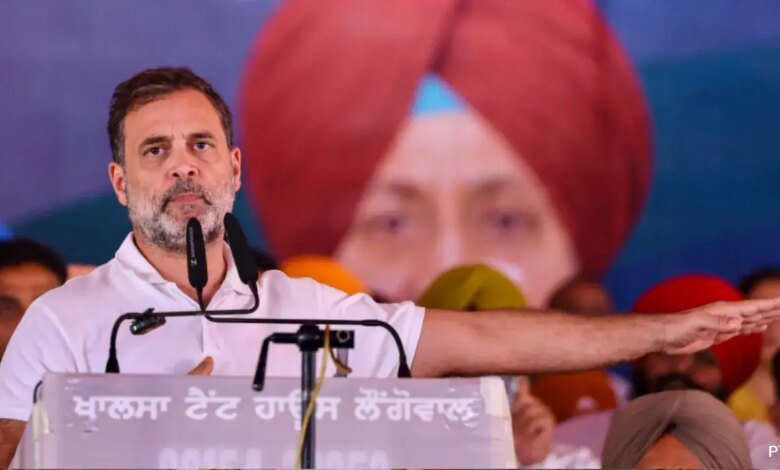
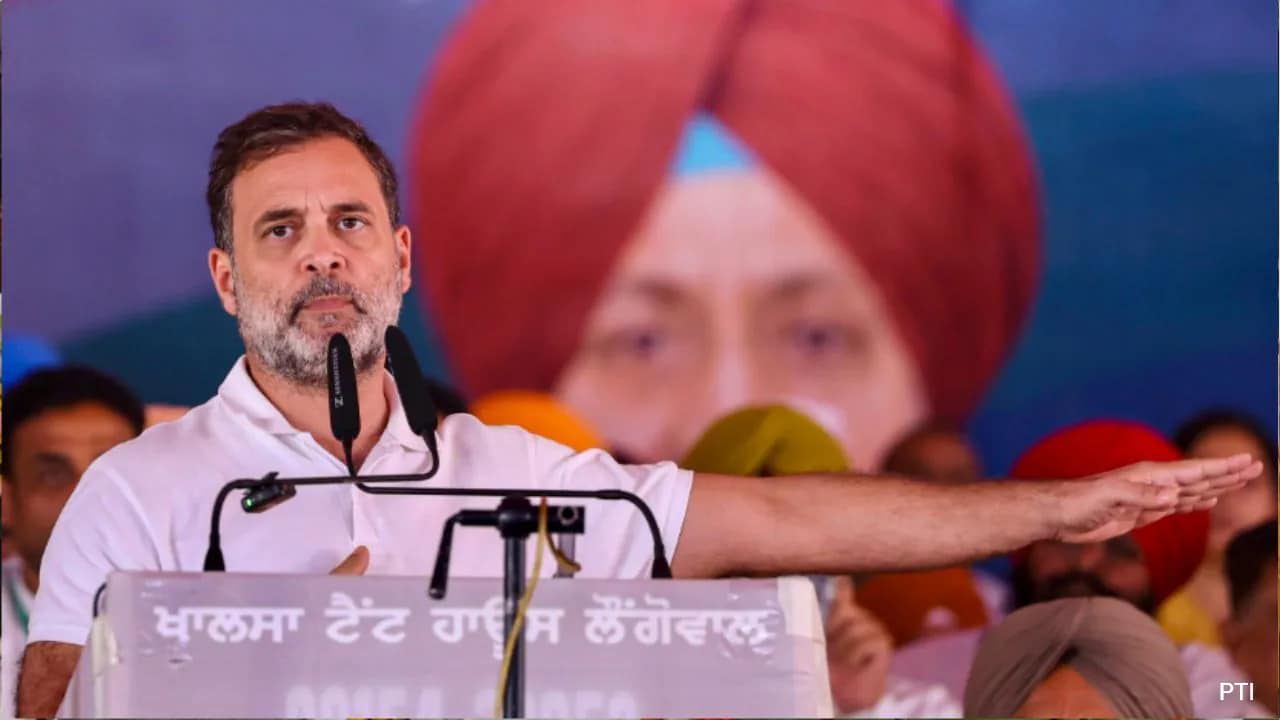
After weeks of protests over, what he calls, “vote chori”, Rahul Gandhi on Saturday alleged that the government is “stealing petrol” from the public’s cars and criticised the government’s rollout of ethanol-blended (E20) petrol.
Gandhi said the government claims that the petrol contains 20 per cent ethanol but tests conducted on samples collected from seven districts in Congress-ruled Karnataka had revealed higher levels.
In a post in Hindi on X, Gandhi said, “E20 turned into 420 – stealing petrol from the public’s cars!” The reference was to Section 420 of the erstwhile Indian Penal Code, which dealt with cheating.
E20 बना 420 – जनता की गाड़ी से पेट्रोल चोरी! मोदी सरकार कहती है – पेट्रोल में 20% एथेनॉल है। कर्नाटक सरकार ने 7 ज़िलों से पेट्रोल के सैंपल लेकर मान्यता प्राप्त लैब में जाँच करवाई। नतीजा देखिए – 14 में से 11 सैंपल में 20% से ज़्यादा एथेनॉल – IOCL में 31.2%, HPCL में 30.5% – IOCL, HPCL, BPCL, Nayara, Shell – सरकारी हों या प्राइवेट – सब सीमा से ऊपर – और कंपनियों की अपनी लैब ने एथेनॉल की मात्रा रिपोर्ट में लिखी ही नहीं मतलब आप पैसा महंगे पेट्रोल का दे रहे हैं, टंकी में एथेनॉल भरा जा रहा है। नुकसान किसका? आपका। आपकी गाड़ी इतना एथेनॉल पचाने के लिए बनी ही नहीं – मतलब, घटता माइलेज, बार-बार मैकेनिक। शौक से ली गई गाड़ी की बर्बादी। और पंप पर लिखा तक नहीं कि टंकी में क्या डाला जा रहा है – चुनने का कोई विकल्प नहीं। मोदी जी, बताइए – देश की टंकी में क्या भरा जा रहा है? पेट्रोल में असल में कितना एथेनॉल है? 20% से ज़्यादा मिलावट करने वाली कंपनियों पर कार्रवाई कब होगी? और डिबेट की चुनौती अब भी खड़ी है। ये मुद्दा भी जोड़ लेंगे – आपकी नीतियों से असल में फ़ायदा किसे हो रहा है?
— Rahul Gandhi (@RahulGandhi) November 7, 2026
The Congress leader, who is the leader of the Opposition in the Lok Sabha, also reiterated his challenge to PM Modi for an open debate, saying the issue of ethanol blending could be included in the discussion. So far, he had been pushing the Prime Minister for a debate over alleged irregularities in the special intensive revision of electoral rolls.
E20, the fuel at the centre of the controversy, is essentially petrol mixed with 20 percent ethanol – which is produced largely from sugarcane.
India has flirted with the idea of biofuels for decades, primarily because it depends on other countries for over 80 percent of its crude oil requirements.
Over the last decade, PM Modi’s government has accelerated the biofuel programme, with ethanol blending going from less than 1.5 percent in 2013-14 to 20 percent in 2025-26.
Many motorists fear that the E20 petrol blend will harm engines and raise maintenance costs in vehicles designed for lower ethanol blends.
“The Karnataka government collected petrol samples from 7 districts and had them tested at an accredited lab. Look at the results – 11 out of 14 samples contained more than 20 per cent ethanol; 31.2 per cent at IOCL, 30.5 per cent at HPCL; IOCL, HPCL, BPCL, Nayara, Shell – whether government-owned or private – all exceeded the limit,” Gandhi claimed.
He also alleged that the companies’ own laboratories had not reported the ethanol content.
Gandhi claimed that excessive ethanol blending could affect vehicle performance, resulting in lower mileage and higher maintenance costs. He also questioned the absence of labels at fuel stations disclosing the ethanol content of petrol.
In the past, the government has acknowledged that E20 could lead to a small dip in fuel efficiency — in the range of 3 percent to 5 percent — but has rejected allegations of engine damage.
“Modi ji, tell us – what’s being put in the country’s tank? How much ethanol is actually in the petrol? When will action be taken against companies mixing more than 20 per cent ethanol?” he said.
His remarks came a day after the Karnataka government alleged that major oil marketing companies (OMCs) were supplying petrol with ethanol content exceeding the prescribed 20 per cent limit, with tests recording levels as high as 31.2 per cent. It had sought action against the companies.
Addressing a press conference, Karnataka Food, Civil Supplies, Consumer Affairs and Legal Metrology Minister Rizwan Arshad said the allegations were based on tests conducted on samples collected from Bengaluru, Kolar, Chikkaballapura, Bengaluru Rural, Ramanagara, Mangaluru and Tumakuru.
According to test results issued by the National Accreditation Board for Testing and Calibration Laboratories-accredited and ISO-certified Shriram Research Institute in Bengaluru, samples from Indian Oil Corporation Limited (IOCL) and Hindustan Petroleum Corporation Limited (HPCL) recorded ethanol content of 31.2 per cent and 30.5 per cent, respectively.
The minister said samples collected from major fuel companies had revealed ethanol content exceeding 20 per cent.
However, state-run OMCs Indian Oil Corporation (IOC), Bharat Petroleum Corporation (BPCL) and Hindustan Petroleum Corporation (HPCL) have disputed the Karnataka government’s claims, questioning the sampling and testing procedures used to arrive at the findings.
The three companies said E20 petrol supplied across their retail networks, including in Karnataka, conforms to the Bureau of Indian Standards’ IS 17021 specifications, which prescribe an ethanol content of 19-21 per cent.
In a joint statement, the companies said the findings cited by the Karnataka government were not supported by tests conducted in accordance with prescribed statutory and technical procedures. They also questioned the use of third-party laboratory certificates, saying these did not disclose sufficient details of the testing methodology to independently verify the reported ethanol levels.
According to Petroleum Ministry data cited by the OMCs, the programme since the 2014-15 ethanol supply year has generated foreign exchange savings of more than Rs 1.97 lakh crore, substituted approximately 316 lakh metric tonnes of crude oil, reduced carbon dioxide emissions by around 952 lakh metric tonnes and resulted in payments of more than Rs 1.66 lakh crore to farmers.