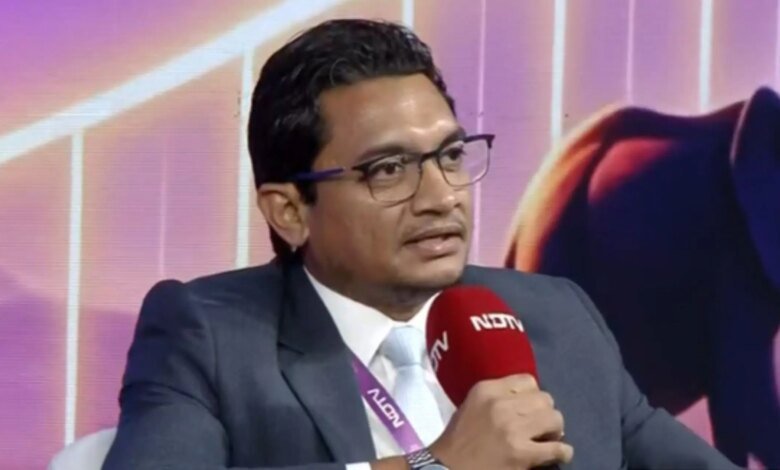
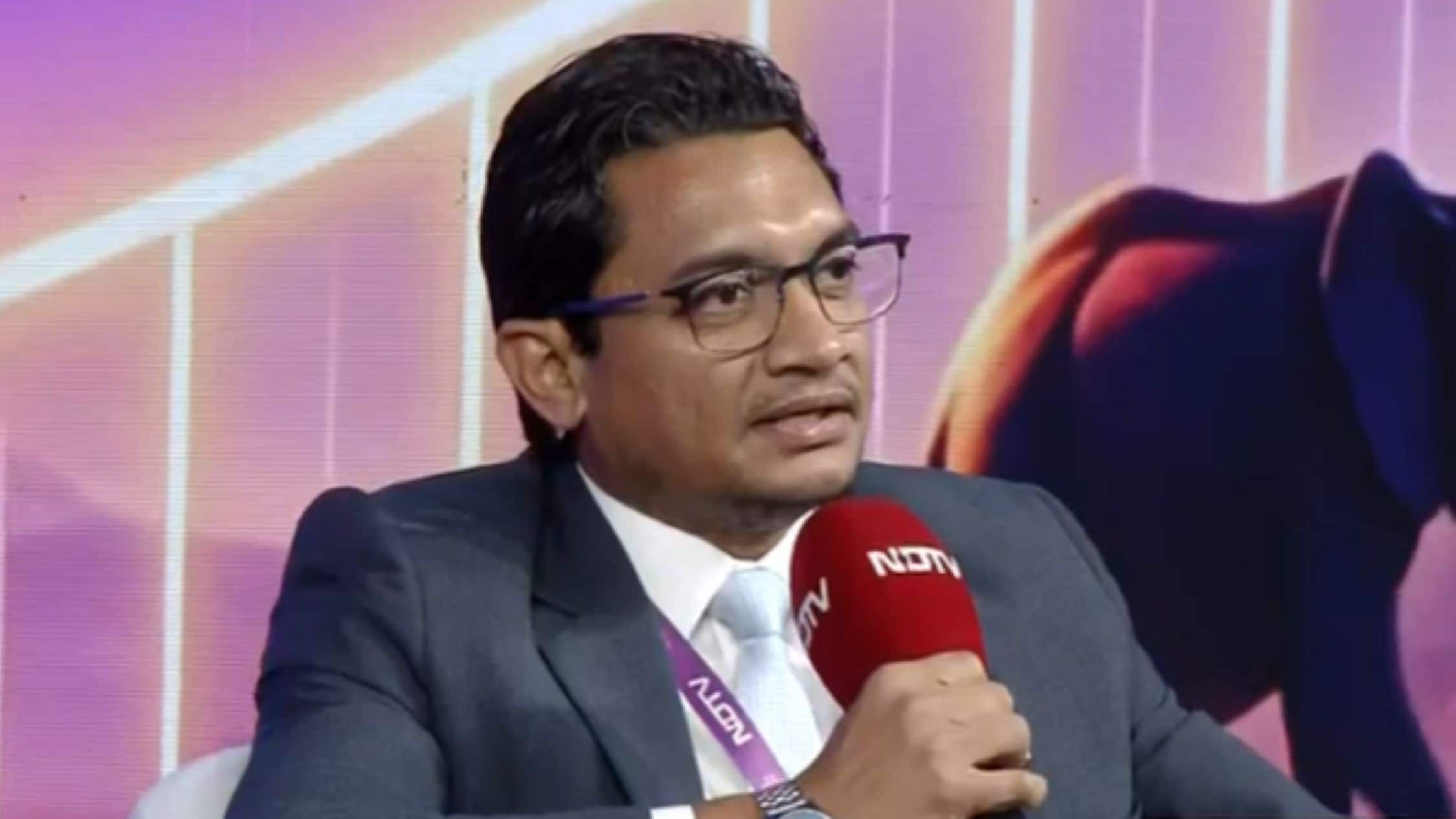
Sri Lanka’s Deputy Minister of Industry and Entrepreneurship Development, Chathuranga Abeysinghe, thanked India for its financial assistance during the island nation’s economic crisis, saying New Delhi stood by Colombo through some of its most difficult years.
Speaking at the NDTV World Summit, Abeysinghe acknowledged India’s role in helping Sri Lanka navigate the crisis that began in 2022, when severe shortages of fuel and other essentials, soaring inflation and a collapse in foreign currency reserves triggered widespread public anger and political upheaval.
“I would like to thank the Indian government and its people for being there for us at this difficult stage,” Abeysinghe said. “We came out of the economic crisis since 2022, and India greatly supported us with a lot of financial assistance and being there for us in all these difficult years.”
The minister expressed his gratitude to the Indian people and said he was pleased to be back in New Delhi after a long interval.
Asked what the transition from recovery to economic transformation would mean for Sri Lanka over the next three to five years, Abeysinghe said the government had concentrated on restoring financial stability, restructuring debt and introducing reforms intended to prevent a repeat of the crisis.
#NDTVWorldSummit | ‘One of the greatest lessons for any country is discipline. Digital transformation is an area where we have fallen behind,’ says Chathuranga Abeysinghe (@Chathurangaab), Deputy Minister of Industry and Entrepreneurship Development, Sri Lanka, highlighting key lessons Sri Lanka can learn and adopt for future growth #NDTVWorldSummit2026 @niraj_shah
— NDTV (@ndtv) October 22, 2026
“We don’t see any risk in future in our debt repayments. And lastly, the legal peace that was supposed to be made in structural reforms, we have done. So the things that we are facing now with the global crisis are a reduction in our growth trajectory and also the reforms that we are doing. Some of them are taking time. So that’s why they have mentioned that even though we have recovered, we have stabilised. There’s more to do. So, in terms of the next few years, the real change that’s going to come from the Efforts that we are putting to get our infrastructure right, because for growth, we are moving from stability to growth now.” he told NDTV.
The next stage, he added, would focus on moving beyond economic stability towards expansion, with infrastructure development expected to play a central role. According to Abeysinghe, many infrastructure projects had remained stalled for approximately six years, beginning in 2019, but the government had now restarted them and was working to accelerate their implementation.
He cited India’s experience of gradually opening its markets during the 1990s as an example Sri Lanka could learn from as it sought to integrate more closely with the global economy.
“I think India did this in the 1990s, slowly opening markets to the world to connect to the rest of the world. So the para tariffs are being removed, and the trade adjustments are taking place. And I think with that, we will be able to go for FTAs, more FTAs, and that is, these are the reforms that are going to change Sri Lanka within the next 3 to 5 years. And I think from an industrial perspective and an economic perspective, we are eagerly, keenly looking for partnerships because that’s what’s going to make this change for us,” Abeysinghe told NDTV.
He said Sri Lanka’s exports were worth approximately $18 billion, with about a quarter going to the United States and a fifth to Europe.
“We are also an energy-dependent country, so basically everything adjusts based on the energy prices. Within this year, energy prices have escalated three times, and it has impacted us with higher inflation and also pushed our cost of manufacturing up. So what we are doing now is, given the fiscal consolidation we have, the government is continuing to maintain a fiscal buffer. So we were able to adjust to a certain level,” he said.