New Delhi:
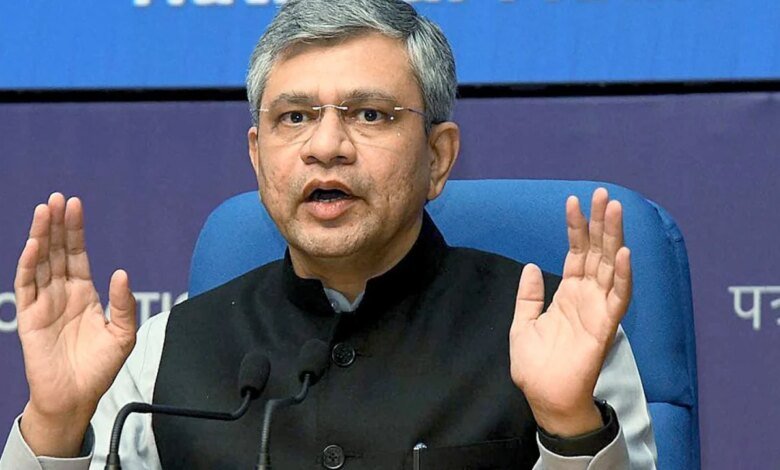
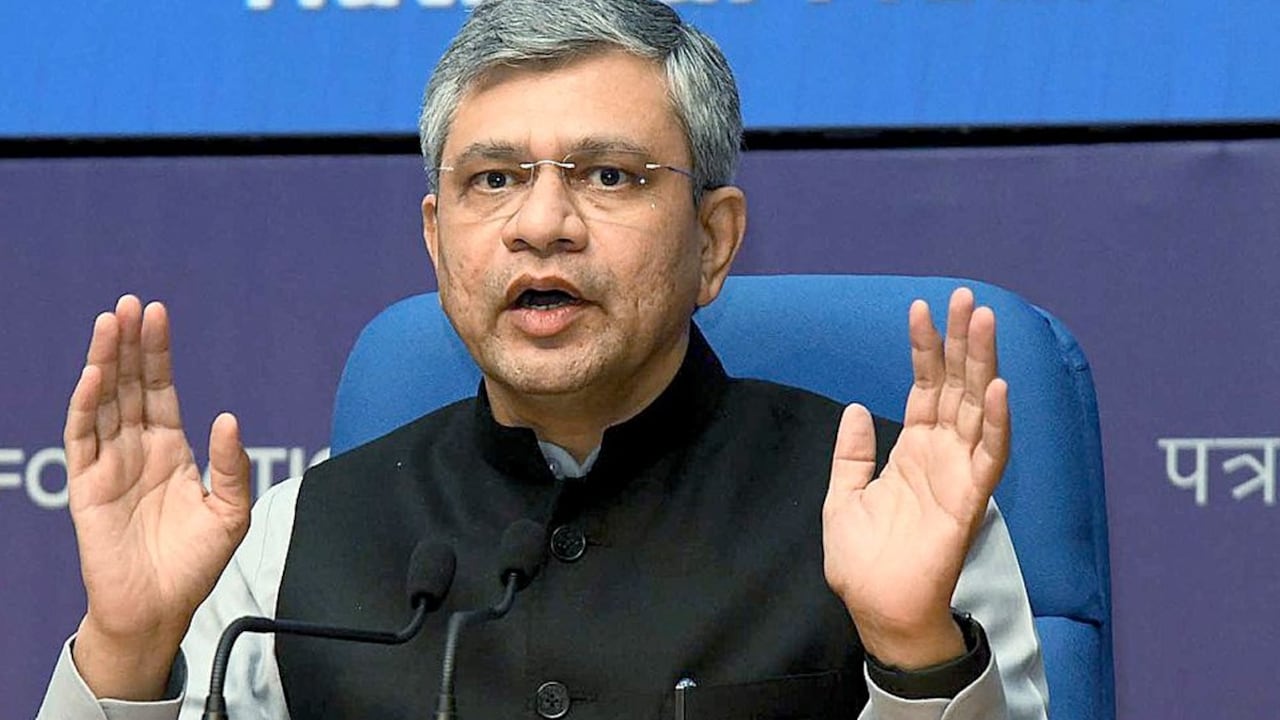
The government will release a focused consultation paper for public feedback on artificial intelligence within a month, Electronics and IT Minister Ashwini Vaishnaw said, flagging “psychological disorders” and deepfakes among the potential harms that policymakers will need to address.
Speaking at the launch of a MeitY-World Bank report on the promise of AI, Vaishnaw said the exercise would focus on safety, a human-first approach, skilling and ensuring “no person is left behind”.
The paper will form the basis for future regulation, he said, adding that the government would seek a techno-legal solution to emerging challenges.
Vaishnaw identified deepfakes as a growing social concern, saying their quality was improving and people were increasingly believing them. “It sets a wrong narrative,” he said.
He also spoke about the harms linked to AI more broadly. “Many harms are related to psychological disorders,” he added.
READ | Which Jobs Will Survive AI? Former AI Lead At Salesforce And Meta Predicts 3 Types
The minister said the framework would need to be inclusive and democratised, with industry carrying the primary responsibility for managing risks. “The bulk of responsibility will have to be taken by industry, primary responsibility,” he said.
Vaishnaw also stressed the need for a practical approach to AI, saying that making the technology accessible to start-ups, academia and students had “paid us dividends”. He pointed to opportunities for SMEs to use AI to generate cost and revenue gains.
MeitY Secretary S Krishnan said India’s roadmap for AI and datasets was closely linked to the creation of AIKOSH, and that the country’s experience gave it a crucial position in the global AI conversation.
“AI represents the most meaningful technology diffusion,” Krishnan said, stressing that governments would need to remain nimble and flexible as adoption accelerates. The challenge for policymakers, he said, would be to determine what governments should do themselves and what should be left to the private sector.
Krishnan stressed that the private sector would need to be closely involved in shaping AI regulation, with voluntary codes and industry-led rules working alongside government guardrails. He said the approach should build on existing laws and voluntary compliance mechanisms while keeping pace with the rapid spread of the technology.
At the same time, he said regulation needed to be considered at a global scale, noting that simply restricting an AI model from one country to another “is not regulation”.
India also has an opportunity to build a large AI ecosystem and workforce, he said, referring to the Prime Minister’s call to bring 10 million Indian youth into the AI space.