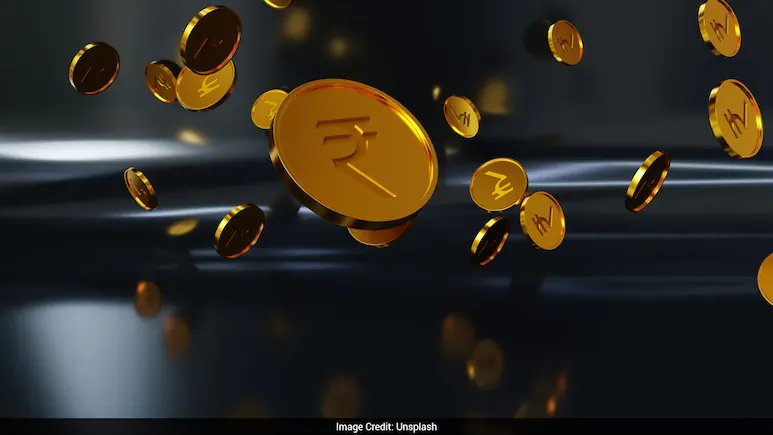
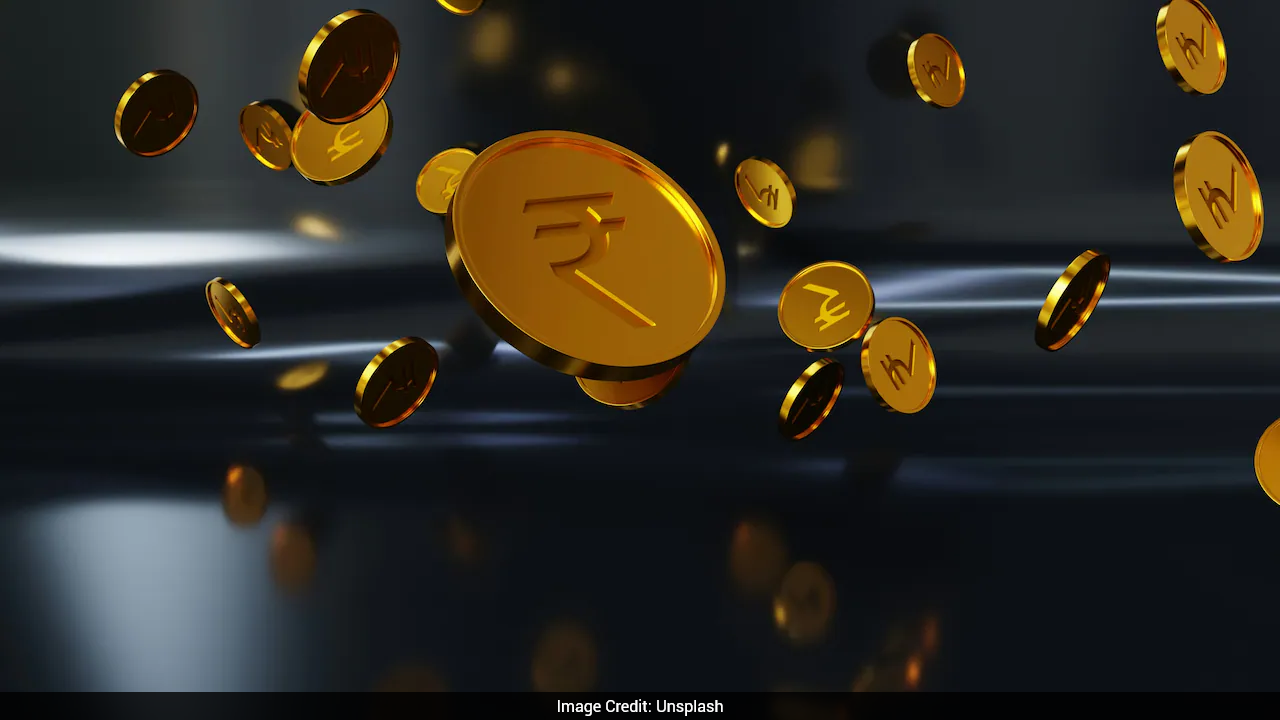
Approved in 2010, the ₹ symbol was introduced on currency in 2011.
The Indian rupee is represented by the symbol ₹. The symbol is used across India on currency, official documents and digital platforms. But the symbol has a story behind its design. The Indian rupee symbol was designed by D Udaya Kumar, who was a postgraduate student at IIT Bombay when his design was selected by the Government of India.
Who Designed The Rupee Symbol?
D Udaya Kumar designed the ₹ symbol as part of a competition organised by the Government of India. More than 3,000 designs were submitted for the competition. A jury headed by the Deputy Governor of the Reserve Bank of India shortlisted five designs. The government later selected Kumar’s design.
What Does The ₹ Symbol Mean?
The design combines the Devanagari letter ‘र’ (Ra) with the Roman capital letter ‘R’. The symbol also has two horizontal lines at the top.
According to the government’s description, the design reflects elements of both the Devanagari and Roman scripts. The horizontal lines also form part of the visual design of the symbol.
When Was The Rupee Symbol Approved?
- The Union Cabinet approved the new rupee symbol on July 15, 2010.
- The introduction of a separate symbol gave the Indian rupee a standard visual identity and helped distinguish it from other currencies that are also called the rupee.
- The symbol was introduced on Indian bank notes and coins in 2011.
- It was later included in the Unicode Standard, which made it possible to use the rupee symbol on computers and other digital platforms. Its Unicode code is U+20B9.
Quick Facts About The Indian Rupee Symbol
- Symbol: ₹
- Designer: D Udaya Kumar
- Approved: July 15, 2010
- Competition entries: More than 3,000
- Design: Combines Devanagari ‘र’ and Roman ‘R’
- Unicode: U+20B9
Show full article