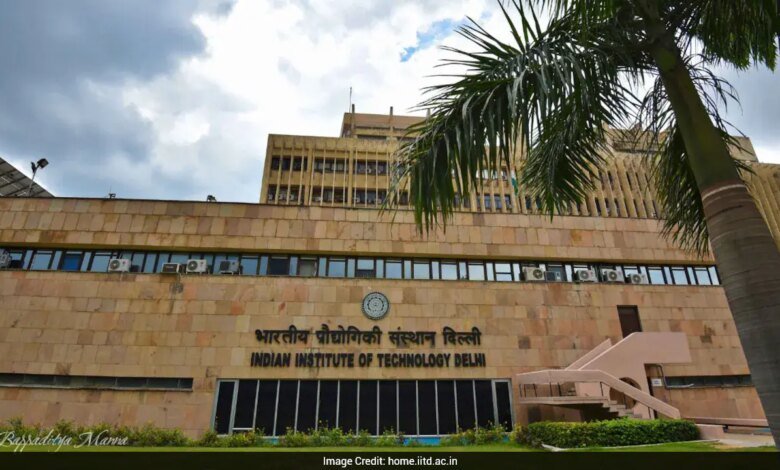
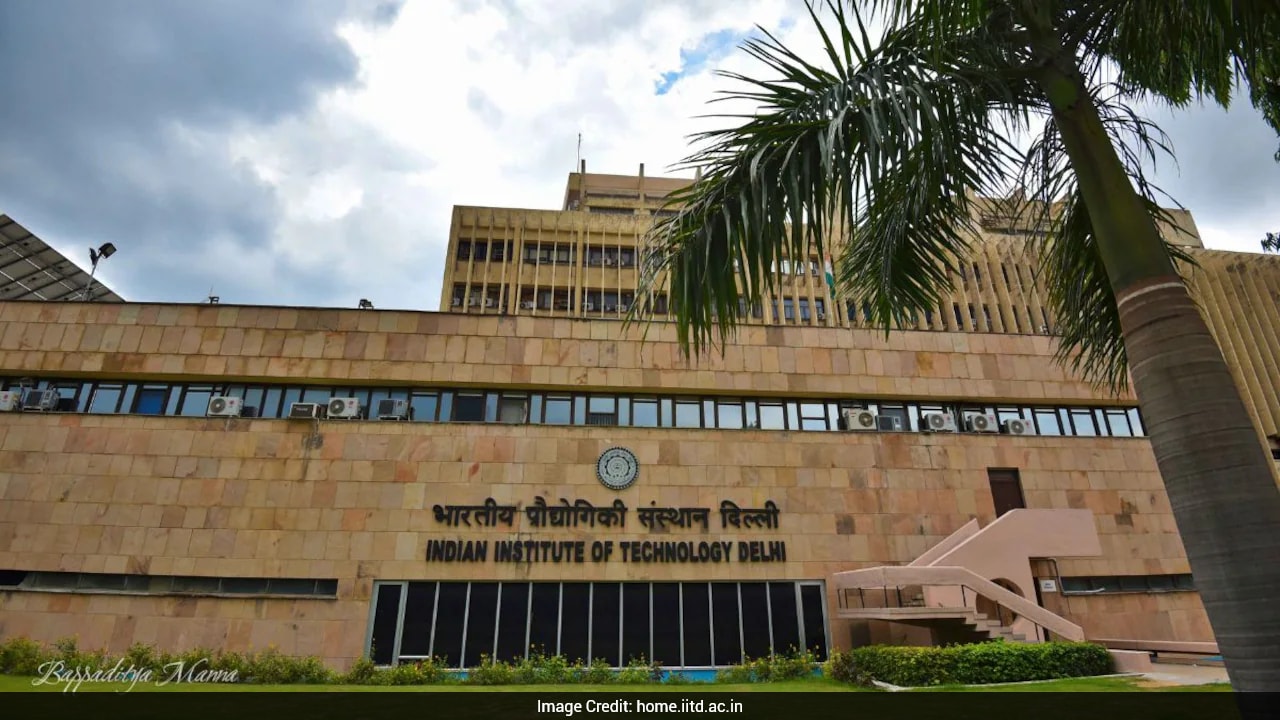
New Delhi: IIT Delhi has detailed a series of academic, mental-health and grievance-redressal measures it says are already in place for students, as protests continue on campus following the death of 31-year-old MSc Physics student, Rishikesh Kumar, last week.
His death triggered protests, with over 500 students demanding an independent inquiry, accountability from officials and stronger safeguards for student welfare. Students have also raised concerns over the handling of Kumar’s hostel, academic and welfare-related issues.
The institute has now reconstituted its external inquiry panel, with retired Delhi High Court judge Justice Mukta Gupta appointed as its chairperson. The panel also includes AIIMS Psychiatry Department head Professor Pratap Sharan, student representatives and the IIT Delhi Registrar.
IIT Delhi’s Mental Health Support System
Against this backdrop, IIT Delhi has pointed to its existing mental healthcare infrastructure, saying students have 24/7 access to counsellors and psychiatrists, including experts from AIIMS and VIMHANS.
The institute also says external mental healthcare is fully reimbursed and that an emergency response protocol and Academic Unit Wellness Committees are in place.
Its UG Buddy programme was expanded in 2025 to include postgraduate and international students. The institute has also cited the National Resource Centre for Value Education in Engineering’s yoga and meditation modules, which it says have been part of its wellness initiatives since 2001.
Lighter Academic Load, Curriculum Changes
Under the curriculum introduced in 2025, IIT Delhi says first-semester credit loads have been reduced and life-skills courses added. First-year departmental classes have been capped at 30 to 60 students, while weekend examinations have been minimised. The institute says students also have flexibility in credit distribution. From the 2024-25 academic year, it removed the minimum CGPA requirement for obtaining a B.Tech degree.
For students struggling academically, the Academic Progress Group has been providing evening tutoring and support to clear credit backlogs since 2023. Faculty-student interaction is also facilitated through semester-wise meetings, open-door faculty hours, project guidance and class committee feedback.
Faculty Interaction, Academic Support
The Student-Teacher Interaction Council, or STIC, conducts semester-wise get-togethers, while faculty members engage with students through open-door office hours, project guidance, hostel involvement and Class Committee feedback.
For students facing academic difficulties, the Academic Progress Group, or APG, has been providing evening tutoring and credit-backlog support since 2023. Student representation is also handled through the Student Affairs Council, or SAC, and the Cocurricular Academic Interaction Council, or CAIC.
Multiple Grievance Channels
The institute says students can register complaints through a centralised, reference-tracked ERP portal. Other mechanisms include the Board for Student Welfare, specialised SC/ST and OBC cells, hostel wardens, the Internal Complaints Committee and confidential counselling channels.
IIT Delhi has also highlighted its diversity and inclusion framework. Its Office of Diversity and Inclusion has been running non-discrimination and accessibility programmes since 2022.
Fresher induction programmes conducted through initiatives including the Initiative for Gender Equity and Sensitisation, Initiative for Caste Equity and Office of Accessible Education include sensitisation on implicit and explicit biases related to caste, gender, language, region and ethnicity.
Protests Over Rishikesh’s Death Continues
The institute’s account of its support systems comes at a time when students are questioning whether existing mechanisms are sufficient. Protesting students have alleged that Kumar faced difficulties related to hostel accommodation and academic issues after returning to campus following a period of mental-health treatment. IIT Delhi, however, has said his requests for semester withdrawal had been approved and that he had received treatment and support.
Students protesting after his death have demanded an independent investigation and accountability from officials. The administration had initially constituted an external inquiry committee, but students objected to its composition and demanded a more independent investigation. IIT Delhi has since reconstituted the panel, with retired Delhi High Court judge Justice Mukta Gupta appointed to head the inquiry.
Delhi Police has separately registered an FIR for alleged abetment of suicide and begun its investigation into Kumar’s death. IIT Delhi, meanwhile, has said student welfare and mental well-being remain an “absolute priority” and that it will continue strengthening its systems and support mechanisms.