New Delhi:
India hit back at Bhutan on Sunday after reports it refused the import of E20 – the contentious petrol-ethanol blend – pointing out no Indian company had arranged to sell the product. The Ministry of Petroleum and Natural Gas also said that no such proposal was in the pipeline.
“Claims that Bhutan declined an offer to import E20 petrol from India are incorrect,” the ministry said in a ‘fact check’ X post. “No such offer has been made by OMCs and there is no proposal for export of E20 petrol to Bhutan. Please rely only on official information from (the ministry) …”
The remark followed a Bhutanese newspaper report that said the country had asked for regular petrol instead of the blended version that has been repeatedly called out by sections of consumers for causing engine damage and poor mileage, claims New Delhi has denied.
Fact Check
❌ Claims that Bhutan declined an offer to import E20 petrol from India are incorrect.
No such offer has been made by the Oil Marketing Companies (OMCs), and there is no proposal for export of E20 petrol to Bhutan.
✅ Please rely only on official information from… pic.twitter.com/sqyAcEIvbw
— Ministry of Petroleum and Natural Gas #MoPNG (@PetroleumMin) July 5, 2026
However, in multiple posts on X Bhutan journalist Tenzing Lamsang – the Editor of The Bhutanese newspaper report that provoked the ministry’s reply – stood by the report.
Lamsang shared what he said was a “written response” from the Bhutanese government’s Department of Trade that confirmed Thimphu is not importing the E20 fuel.
The transcript amplified some of the concerns raised by motorists in India.
Since there is an official denial, please find the written response by the Department of Trade of the Bhutanese Govt confirming to me an offer was made by Indian OMCs & the Department requested the OMCs to supply normal petrol.
My verbal interviews confirmed it too. pic.twitter.com/0z1Q9zbqTD— Tenzing Lamsang (@TenzingLamsang) July 5, 2026
It said that “once water contaminates ethanol-blended fuel, the water and fuel cannot be separated easily, which will likely affect fuel quality and vehicle performance”.
It also claimed the Bhutanese government’s existing underground storage tanks could face “challenges in ensuring fuel quality and preventing contamination” if they had to store E20.
And it said: “In view of these concerns, the Public Sector Undertakings/Oil Marketing Companies in India were requested… to continue supplying normal MS for Bhutan as long as such fuel remains available in the Indian market”.
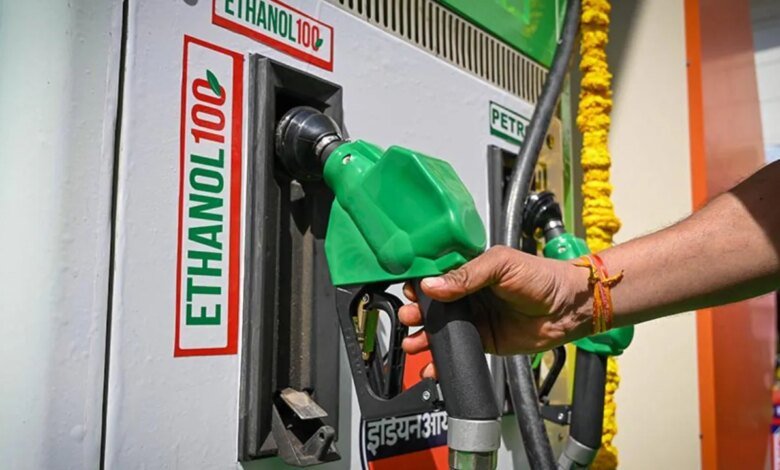
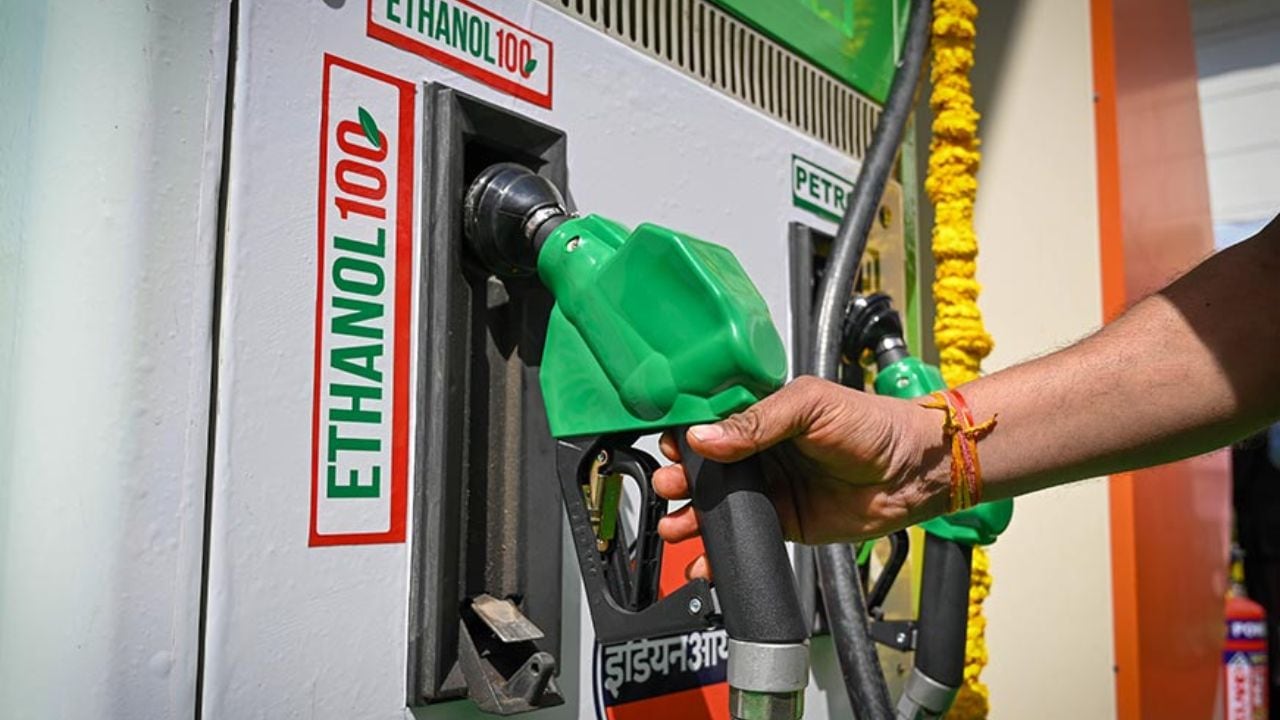
The ethanol-petrol programme – which includes petrol with higher blends of ethanol, including E100 that is roughly 93 per cent pure ethanol – has been heavily criticised since it was announced. That criticism has increased over the past few months, particularly after videos on social media that claimed to show contamination by water and user feedback on engine damage.
RECAP | E20 Petrol Could Reduce Mileage By 2-5 Percent: Car Experts Caution
But the government has insisted no widespread cases of engine failure or vehicle breakdown attributable to ethanol blending have been reported since E20 fuel was introduced in 2023.
RECAP | No Engine Damage, No Insurance Risk: Centre Debunks Viral Ethanol Myths
Another set of viral videos indicated that sugarcane juice was being mixed with petrol. The government dismissed this claim as misleading and baseless.
“The Ethanol Blending Programme is scientifically validated and continuously monitored,” the ministry said, adding rollout of higher blends had been undertaken only after extensive technical evaluation and consultations with car manufacturers, OMCs, and scientists.