Mumbai:
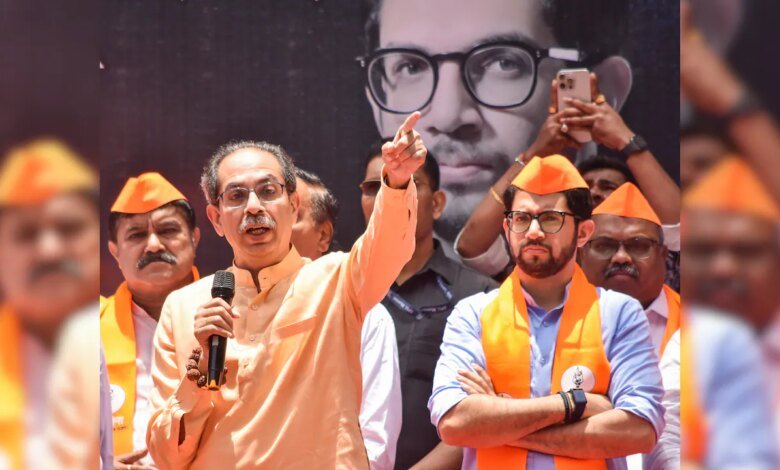
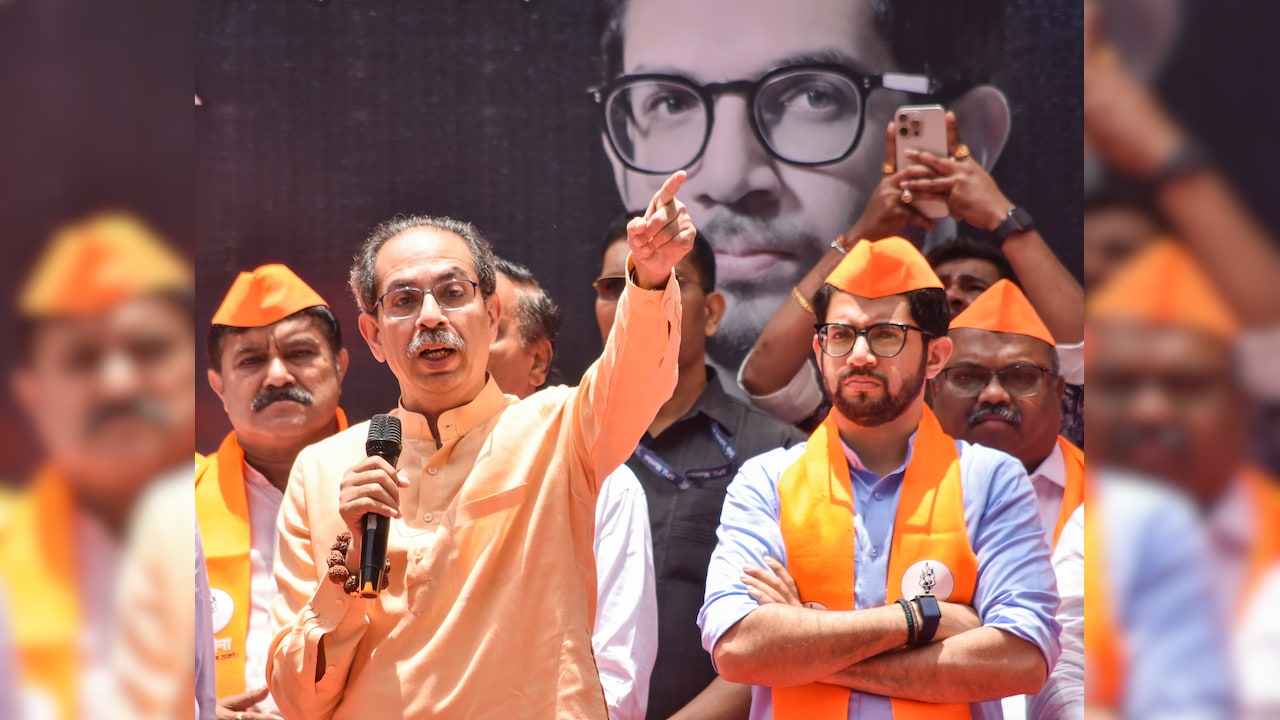
It is not just Parliament where Maharashtra’s latest political battle is unfolding. After what has come to be known as “Operation Tiger”, an alleged effort to bring legislators and MPs from the Uddhav Thackeray-led Shiv Sena (UBT) into the Eknath Shinde camp, attention is now shifting to the Brihanmumbai Municipal Corporation (BMC), Mumbai’s political and financial powerhouse.
The speculation intensified after Shiv Sena leader Kiran Landge claimed that several corporators and former corporators associated with the Uddhav Thackeray faction were in contact with the Shinde-led Sena. According to Landge, discussions were underway with 30 to 42 corporators at various levels, though he did not provide evidence to support the claim. The Thackeray camp has disputed such assertions and accused rivals of attempting to create a perception of an inevitable exodus.
In the current civic body, UBT Sena is the second largest block with 64 corporators after BJP, which has 89. Shinde led Shiv Sena is third at 29 corporators.
Read | Team Thackeray Rebellion And A Trip To Delhi: Inside Story
The significance of such claims extends far beyond municipal politics. For decades, the BMC served as the organisational backbone of the undivided Shiv Sena. Control over Mumbai’s civic body provided not only political prestige but also a vast grassroots network that helped the party dominate the city’s politics. Even after the 2022 split that divided the Sena between Uddhav Thackeray and Eknath Shinde, both factions continued to view the BMC as the ultimate test of political legitimacy.
The phrase “Operation Tiger” gained prominence in recent weeks following the decision of six Shiv Sena (UBT) MPs to break ranks and back the Eknath Shinde-led Shiv Sena. Leaders close to Shinde portrayed the development as evidence that elected representatives were increasingly gravitating toward the ruling alliance. The Thackeray faction, however, alleged that attempts were being made to engineer defections through bribes, threats and coercions.
Against this backdrop, statements from Mumbai’s political leadership have further fuelled speculation about the BMC. BJP leader and BMC House Leader Ganesh Khankar recently claimed that several members of the Shiv Sena (UBT) were uncertain about their political future and were in touch with leaders from the ruling side. Khankar asserted that his party’s numbers would increase in the coming months, though he declined to provide details.
Read | How A 20-Year-Old Murder Became Factor In Uddhav Sena Rebellion
The response from the Thackeray camp was swift. Senior Shiv Sena (UBT) leader Kishori Pednekar said the party was aware of attempts being made to contact some of its corporators but insisted that any departures would have little impact on the organisation. She accused political opponents of engaging in “breakaway politics” and argued that Mumbai’s voters were closely watching developments.
The timing of these competing claims is significant. Following the 2026 BMC elections, the BJP-led Mahayuti alliance emerged in a stronger position within Mumbai’s civic politics, ending the prolonged dominance once enjoyed by the undivided Shiv Sena. Any successful attempt to attract corporators from the Thackeray camp would therefore carry symbolic as well as political value, strengthening the narrative that the centre of gravity within the broader Shiv Sena movement continues to shift toward the Shinde faction.
While leaders from the ruling alliance have spoken of growing support from within the Thackeray camp, Shiv Sena (UBT) leaders insist that their organisation remains intact and that reports of large-scale defections are exaggerated.
Whether the operation ultimately reaches the scale suggested by its proponents remains to be seen. But if Parliament was the first theatre of this political contest, Mumbai’s municipal corporation could well become the next.