New Delhi:
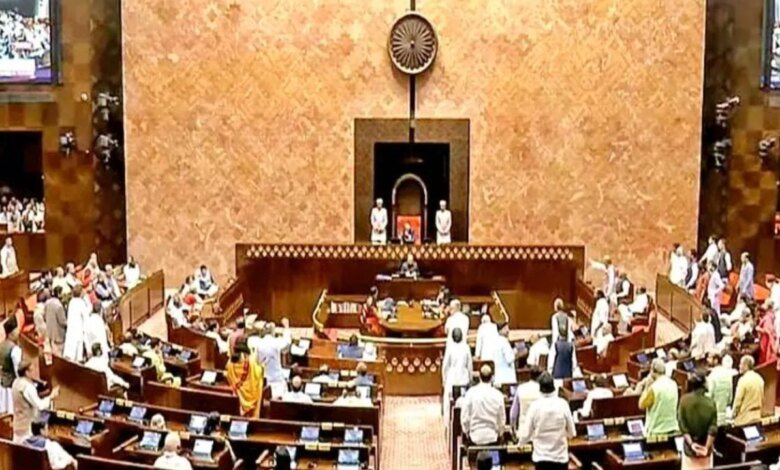
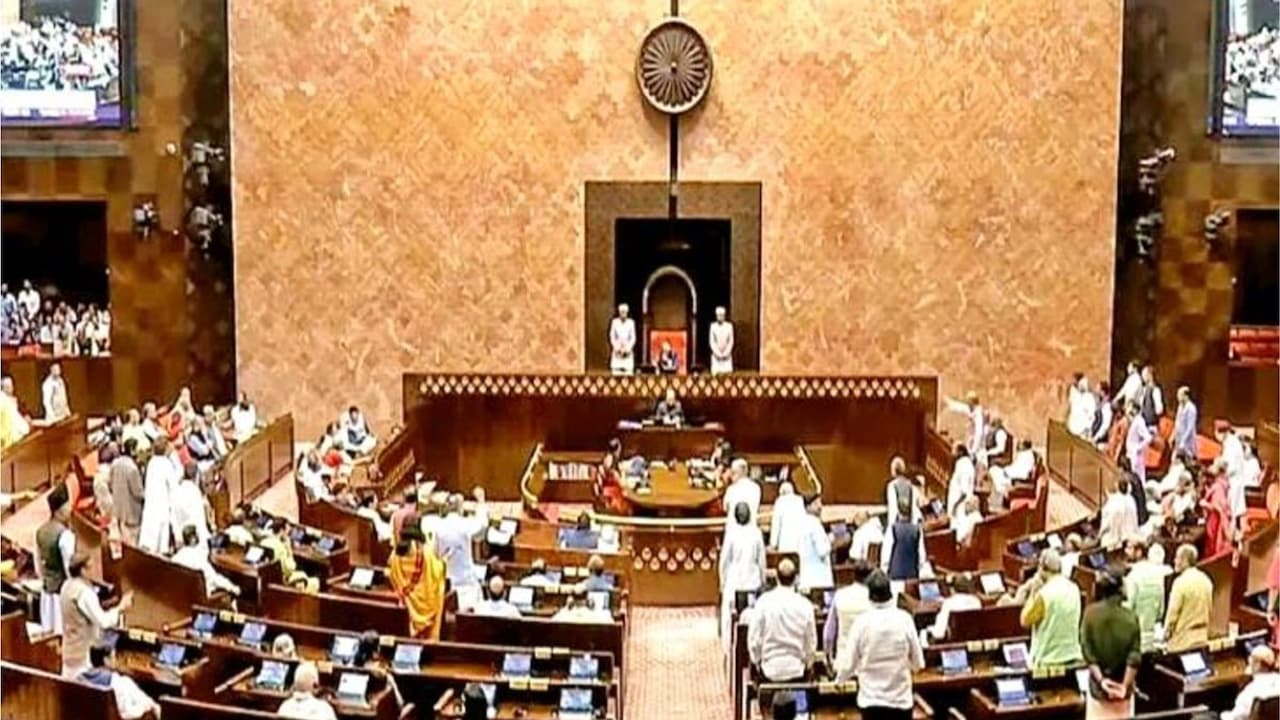
The proposed delimitation exercise could significantly alter the composition of the Lok Sabha, with the number of seats expected to rise to 850, but the Rajya Sabha, Parliament’s Upper House, is unlikely to see a similar expansion. The difference could have consequences for the balance of power between the two Houses.
The two Houses perform different constitutional functions and their composition determines not only how legislation is scrutinised and passed but also how states are represented. If the proposed changes go through the Lok Sabha’s strength could increase by 50 per cent while the number of Rajya Sabha seats allocated to individual states would remain unchanged. This would mean that states would send more directly elected representatives to the Lower House without necessarily gaining additional representation in the Upper House.
According to government sources, there is currently no proposal to increase the number of Rajya Sabha seats. The Delimitation and Constitutional Amendment Bills expected to come up during the special session of Parliament beginning Monday are likely to provide for an increase in Lok Sabha seats to 850. The proposed expansion would also lead to a proportionate increase in the strength of state assemblies. But the government does not appear to be considering a similar exercise for the Rajya Sabha.
READ | The Bill That Brought Congress And BJP Together, But Divided Their Allies
How Rajya Sabha Seats Are Allocated
The composition of the Rajya Sabha is governed by Article 80 of the Constitution, while the Fourth Schedule specifies the allocation of seats among states and Union Territories. The Constitution provides for a maximum strength of 250 members, of whom 238 can represent states and Union Territories, while 12 are nominated by the President.
The nominated members are selected from among people with special knowledge or practical experience in fields such as literature, science, art and social service. The remaining members represent states and eligible Union Territories and are elected indirectly rather than through a direct popular vote.
READ | ‘Monster’ In The Map: At Centre Of Delimitation Worry, A Long And Dreaded G-Word
At present, the Rajya Sabha has 245 members, comprising 233 elected representatives and 12 nominated members. The elected representatives include members from states as well as the Union Territories of Delhi, Puducherry and Jammu and Kashmir.
Unlike the Lok Sabha, whose members are directly elected by voters from parliamentary constituencies, Rajya Sabha members are elected by the elected members of the respective state legislative assemblies. The election takes place through proportional representation by means of a single transferable vote. Representatives of the Union Territories are chosen through electoral colleges constituted under the law.
The Rajya Sabha is also a permanent House and cannot be dissolved. Its members serve six-year terms, with one-third of the membership retiring every two years, allowing the institution to continue functioning even when the Lok Sabha is dissolved and general elections are held.
READ | Two-Thirds Plus Some: How PM Modi’s Historic Delimitation Move Will Clear The Bar
What Happens To Rajya Sabha Representation When Assembly Seats Increase
The UP Assembly currently has 403 seats. Following the proposed expansion, its strength would rise to 605. This would substantially increase the number of elected lawmakers in the state, who also form the electoral college for choosing Rajya Sabha representatives.
However UP’s allocation of 31 Rajya Sabha seats is expected to remain unchanged. The same principle would apply to other states. As of now, there has been no official word from the government why there will not be any increase in rajya Sabha seats.
READ | Sonia, Rahul Gandhi Fail To Convince MK Stalin To Change Delimitation Stance
The Rajya Sabha has historically been a key arena for parliamentary opposition, particularly when governments have enjoyed a majority in the Lok Sabha but lacked the numbers in the Upper House. The NDA government initially faced this situation after coming to power in 2014. Despite having a comfortable majority in the Lok Sabha, it did not command a majority in the Rajya Sabha, where opposition parties could obstruct or delay the passage of bills.
During that period, several government bills cleared the Lok Sabha but encountered resistance in the Upper House. There were repeated disruptions, and the then Chairman of the Rajya Sabha, Hamid Ansari, had made clear that legislation would not be passed amid disorder in the House.
The BJP’s political strength across several states has not, by itself, translated into an independent majority in the Rajya Sabha. Despite governing in more than 17 states at various points, the party has remained short of the numbers required to command the Upper House on its own.
READ | Rohit Pawar’s “Maharashtra Dharma” Letter Puts Supriya Sule On The Spot
The last time a single political party secured a majority in the Rajya Sabha was during 1986-88, when the Congress had 141 members. At present, the BJP has 117 MPs in the Upper House, six short of the 123 required for a majority in a House with 245 members.