Jaipur:
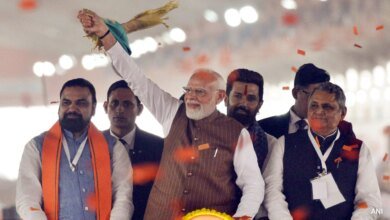
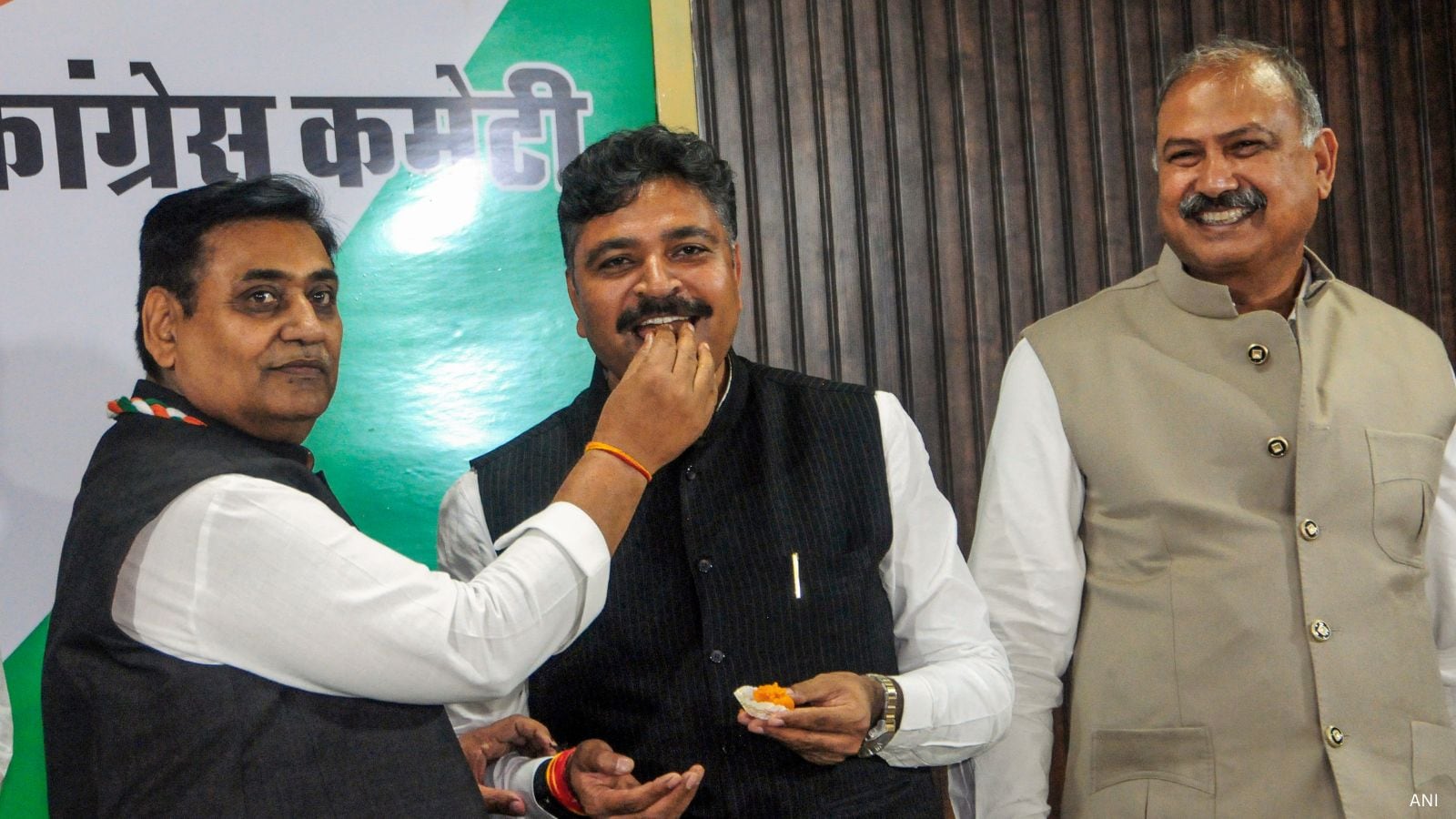
The BJP in Rajasthan is facing a rude political awakening. The results of the rural local body elections have delivered a setback to the ruling party, with the Congress emerging as the dominant force in the state’s rural heartland. The opposition has secured a clear majority in 23 of the 37 Zila Parishads, marking a dramatic reversal of the political narrative after the BJP’s strong showing in the urban local body elections barely two months ago.
But the headline numbers tell only part of the story. It is in the fine print of this verdict–in the assembly constituencies of senior BJP leaders, the strongholds of ministers, and the intricate caste equations of rural Rajasthan–that the real political significance of the results becomes apparent.
In the chief minister’s assembly constituency of Sanganer, the outcome has been a shocker. Hanuman Beniwal’s Rashtriya Loktantrik Party (RLP) has upset the balance of the 15 Sanganer Panchayat Samiti seats, winning eight seats, while the Congress and the BJP bagged three each.
READ | In Shock To Ruling BJP, Rajasthan’s Villages Give Congress A Big Victory
In Bharatpur, the chief minister’s home district, the Congress has won 21 of the 31 Zila Parishad seats while the BJP managed to win just one. The RLP also made a mark with one seat in a territory it had not ventured into previously.
“17 of the 21 ministers have lost in their respective strongholds,” pointed out Ashok Gehlot, former chief minister, in an exclusive interview with NDTV.
“Deputy chief minister Prem Chand Bairwa is a zero performer,” he added, pointing to the fact that in the 15 wards of the Dudu Panchayat Samiti, the BJP has finished third. The Congress won six, the RLP five, and the BJP just three.
Strong anti-incumbency against sitting cabinet members appears to be a key takeaway from these results.
The BJP’s electoral setbacks have cut across the political turfs of several senior ministers, including Prem Chand Bairwa in Dudu, Agriculture Minister Kirodi Lal Meena in Sawai Madhopur, Industries Minister Rajyavardhan Singh Rathore in Jhotwara, and Urban Development Minister Jhabar Singh Kharra in Sikar, raising questions about the party’s ability to translate ministerial clout into grassroots electoral support.
In Sikar’s Shri Madhopur, all four members of Kharra’s family lost the elections, including his son Durga Singh, who had contested as an independent much against his father’s wishes.
Across Rajasthan, the Congress has emerged as the clear leader in 27 districts, including key western districts like Jodhpur and Bikaner, as well as the capital, Jaipur. The RLP retained its Nagaur stronghold and made significant inroads into uncharted territory, winning seats in Chittorgarh, Churu, Barmer, Bikaner, Balotra, and Jaipur.
The broader tally tells a clear story. Of the 7,520 Panchayat Samiti seats, the Congress has won 3,758, the BJP 2,213, and the RLP 497. Of the 1,271 Zila Parishad seats, the Congress has secured 794, the BJP 357, and the RLP 51.
Other parties-including the CPI(M), the Bharat Adivasi Party (BAP), and the Bahujan Samaj Party (BSP)-along with independents, also registered wins, though their numbers remained modest.
For an incumbent government, it is time to read the writing on the wall.
A BJP member and community leader, who did not wish to be named, candidly assessed what went wrong.
“The party has not been able to project leaders who can consolidate the caste arithmetic of Rajasthan. If you look at the Gujjars and the Meenas, and the Mali and Jat votes, these have shifted away from the BJP in rural Rajasthan. The party organisation has not been able to leverage community leaders in senior positions to their advantage-like even Kirodi Lal Meena, for example. The party’s rout in Jaipur’s Jamwa Ramgarh belt is an example,” he said.
Caste arithmetic is central to any election in Rajasthan, and in the rural polls-where turnout crossed 70%-caste minutiae can be decisive. The BJP failed to get these dynamics right in the district polls. In such micro-elections, outcomes are shaped by hyperlocal social equations, and even a slight shift in caste polarisation can prove critical.
“People in rural areas are unhappy with the government,” Gehlot remarked.
Yet how did a party that performed so well in the urban local body polls slide so sharply in the rural elections?
“The difference in vote share was only 0.94%,” Gehlot pointed out. “In the urban local bodies, we were not too far behind the BJP,” he asserted.
Shravan Singh Bagdi, State General Secretary of the BJP, said, “It’s difficult to say right now why the party’s performance was good in the urban local body polls and not up to the mark in the district elections. The party is going to do an intensive introspection exercise.”
Asked whether the party relied too heavily on local leaders and MLAs this time-unlike in the urban local body polls, where the chief minister led from the front with high-decibel roadshows across every district and major town, Bagdi replied, “That could be a reason; we have to figure it out.”
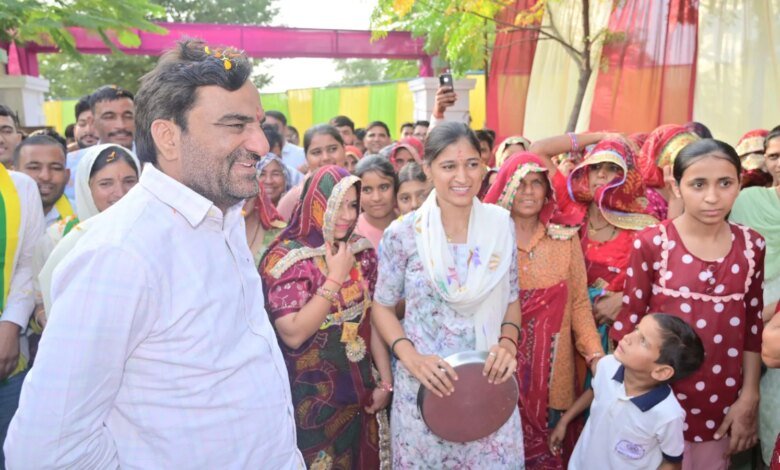
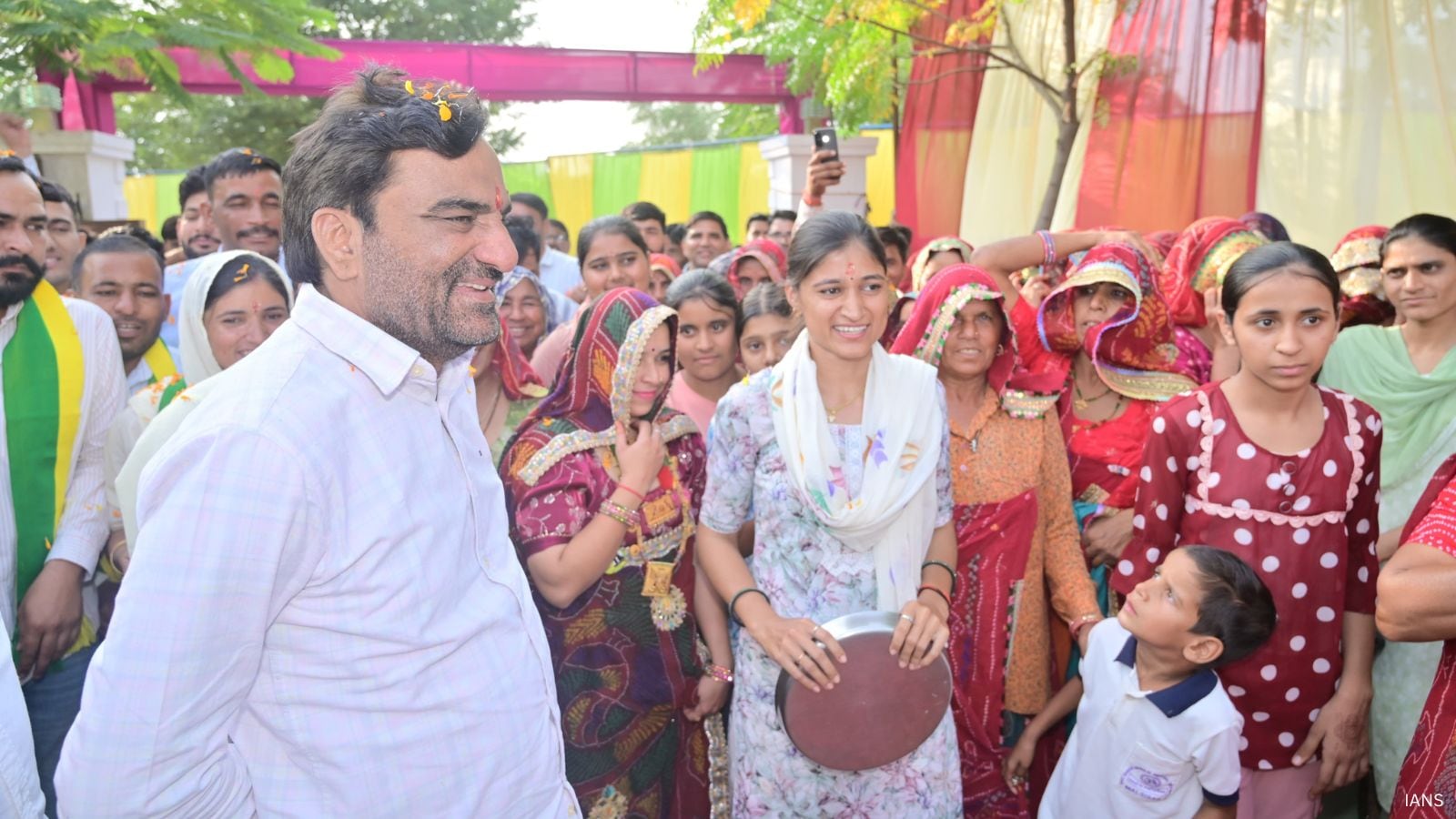
As the BJP struggles to recalibrate its political strategy, Jat strongman Hanuman Beniwal is riding a wave of renewed political momentum, with his Rashtriya Loktantrik Party increasingly emerging as a formidable challenger to the state’s established political heavyweights.
“I have not only dented the chief minister in his home base of Sanganer, but also in Mandore, which is Ashok Gehlot’s constituency, I have made a significant dent,” he asserted. “This election was a semi-final to 2028, and the RLP has emerged as a third front. Our aim is to dislodge both the BJP and the Congress and bring a change in Rajasthan,” he said.